
Maritime nations warn of structural fragmentation of global trade
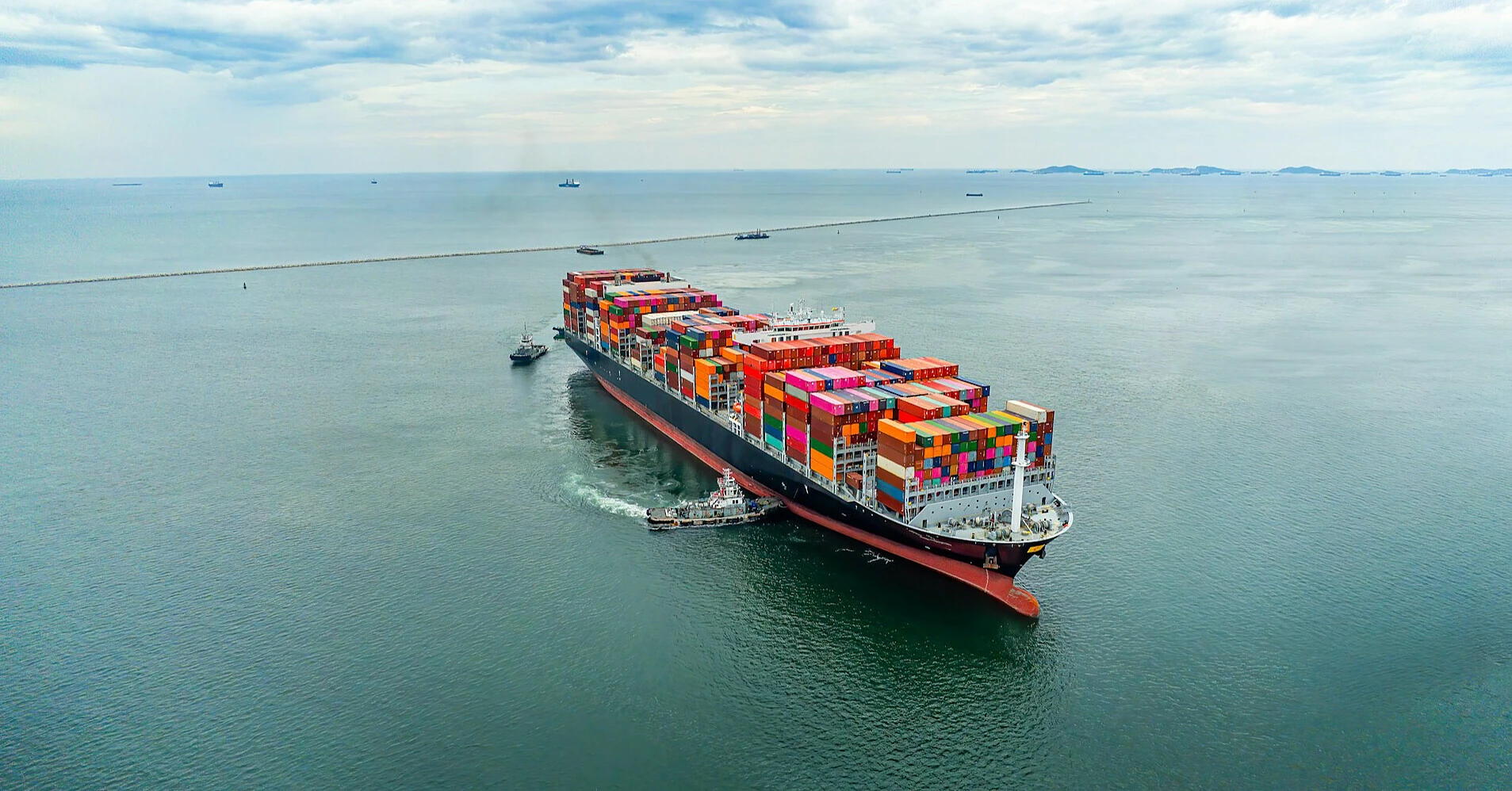
Wars, trade conflicts, extreme weather and the spread of a "shadow fleet" have ceased to be separate temporary shocks for global logistics and indicate a structural change in global trade. Further fragmentation of maritime transport threatens to increase costs for companies and consumers.
This is stated in a joint statement by the Consultative Shipping Group (CSG), which unites the maritime administrations of 18 major shipping nations of Europe, Asia and North America.
The group includes, in particular, the United Kingdom, Germany, France, Italy, Canada, Japan, South Korea, Singapore, the Netherlands, Denmark, Norway, Poland, Spain and Sweden.
According to CSG, maritime transport remains critical infrastructure of the world economy: it carries more than 80% of global trade - from food, cars and electronics to metals, oil and gas.
Crises have ceased to be temporary
The statement emphasizes that in recent years, maritime supply chains have experienced a series of major shocks - the COVID-19 pandemic, Russia's war against Ukraine, drought in the Panama Canal and conflicts in the Middle East.
Added to this are trade restrictions between states and increasingly divergent regulations. CSG notes that uncertainty about future access to ports and sea routes is already affecting long-term business planning.
According to the group, fragmentation of rules directly leads to market division, and the result is higher costs for companies and end consumers.
"These are not episodic shocks, but signals of a structural shift in the conditions of global trade", representatives of maritime nations emphasized.
The group also drew attention to the fact that sea routes are increasingly turning into a tool of political and economic pressure, and problems on strategic transport arteries can quickly spread to the entire world economy.
"Shadow fleet" creates a parallel market
As a separate risk, maritime nations called the rapid expansion of the "shadow fleet" - hundreds of vessels used to circumvent sanctions and operating outside standard insurance, safety and transparency systems.
CSG believes that this creates a de facto two-tier maritime transport system: one part of the market operates under international rules, while the other functions non-transparently and bypasses environmental and safety standards.
As a result, the risks of accidents, supply disruptions and instability in the shipping market are growing.
Countries urged not to create new barriers
Representatives of the 18 countries believe that the response to the crisis should not be an increase in the number of unilateral restrictions, but more consistent application of existing international rules.
In particular, the countries called to uphold freedom of navigation, apply international norms equally in different jurisdictions and strengthen information exchange between regulators.
CSG warned that further fragmentation of global supply chains increases the risk of disruptions at key maritime nodes. The situation around the Strait of Hormuz was cited by the group as an example of how quickly shipping problems can transform into a problem for the entire world economy.
Based on materials: Danish Maritime Authority, Bloomberg
