
Ukraine can increase agro-product transit through Poland to 650 thousand tons per month
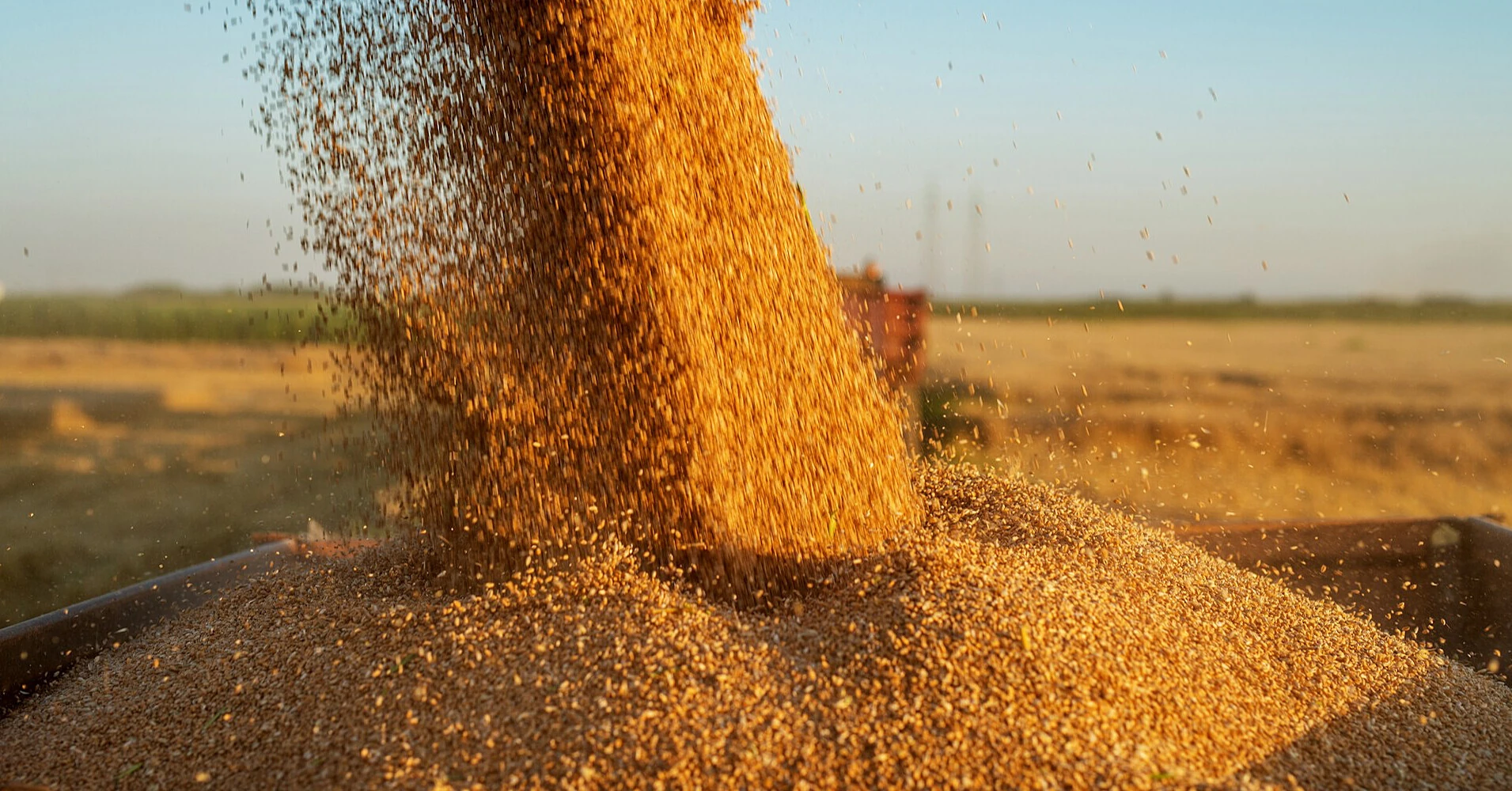
Ukraine expects to increase agricultural transit through Poland to 600–650 thousand tons per month. In August, about 530 thousand tons were already transported by road and rail via the Polish direction, compared to 400 thousand tons in July.
This was reported in an interview to RBC-Ukraine by the Minister of Agrarian Policy and Food Taras Vysotsky, informs the publication's journalist Dmitry Sidorov.
According to him, agreements with the Polish side allowed to increase transit volumes by about one-third within a month. The Ministry of Agrarian Policy considers very realistic the target of 600 thousand tons of agro-products per month, and under favorable conditions the route's capacity may increase to 650 thousand tons.
"In July through Poland we transported 400 thousand tons of agro-products by road and rail together. In August we managed to reach 530 thousand tons," Vysotsky said.
Ukraine is also in talks with Poland and Romania on further increasing railway capacity. According to the minister, "Ukrzaliznytsia" is already able to deliver to these countries' borders more agricultural cargo than neighboring railway systems can accept and transport further.
Therefore, Kyiv asks partners to increase by at least 50% the number of freight trains that can pass through respective border crossings per day.
Expansion of the Polish route became especially important due to sea export restrictions. Through alternative routes – via the Danube, western border, and by road transport – Ukraine is currently able to export about 40% of the volumes that previously passed through the ports of Greater Odesa. Under favorable conditions this indicator can be brought to about 50%, but the Ministry of Agrarian Policy calls this practically the maximum capacity of land and Danube logistics.
At the same time, an increase in transit will not mean uncontrolled entry of Ukrainian agro-products into the Polish market. Vysotsky noted that certain goods in the EU are subject to quotas, and after they are exhausted, the products may be moved through EU territory only in transit.
