
Dollar seized initiative from euro ahead of Fed meeting
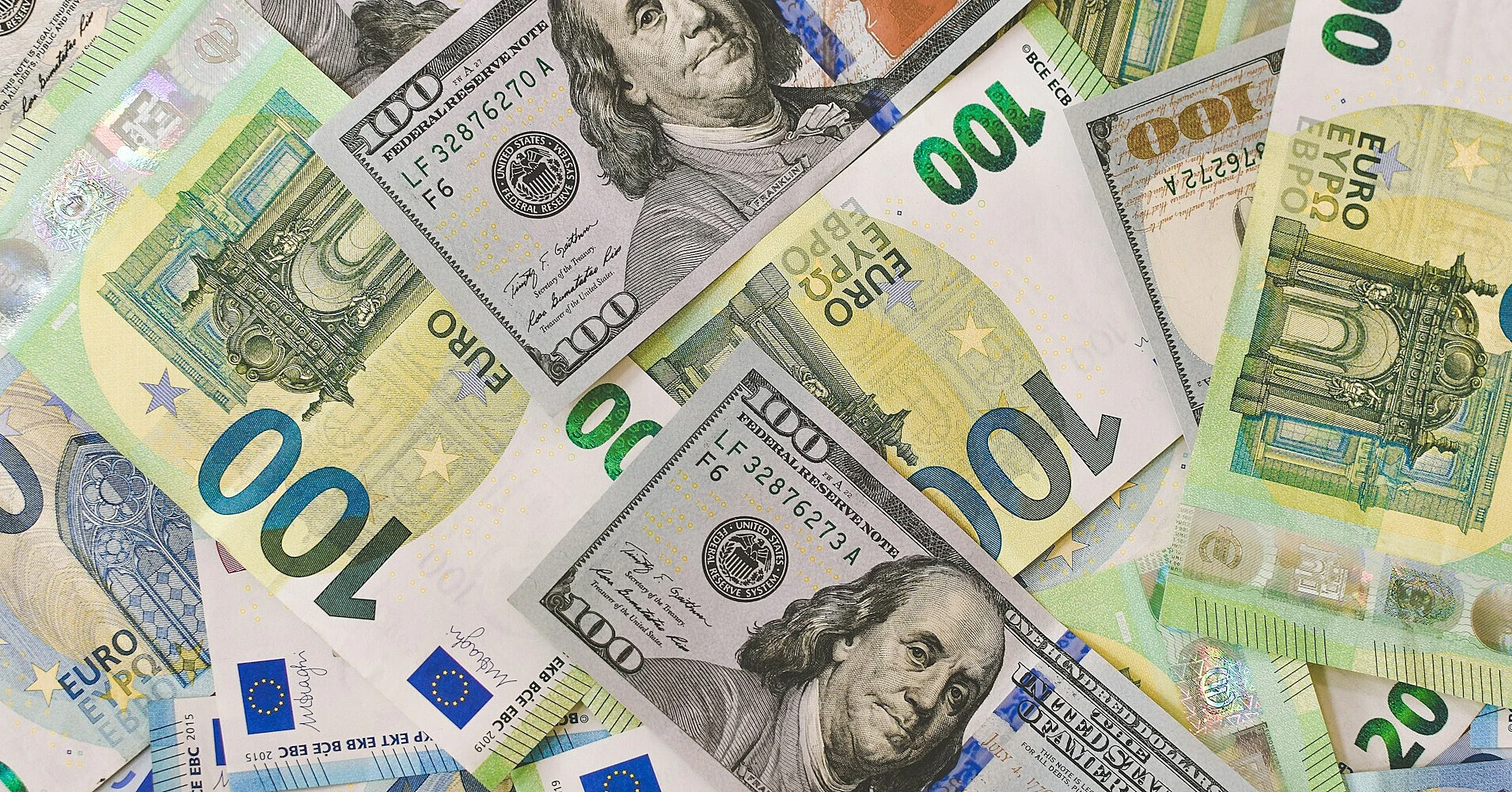
The euro started the current week under pressure from the US dollar. On Tuesday, September 15, the EUR/USD pair dropped to the 1.1530–1.1540 dollar area, whereas just a few days ago it was trading above 1.16. The ECB's official reference rate for September 14 was 1.1551 dollars per euro.
The main factor putting pressure on the European currency now is anticipation of the US Federal Reserve meeting. On September 16, the Fed will decide on the interest rate, with the market almost fully pricing in a 0.25 percentage point rate hike – to a range of 3.75–4.00%. This will be the first rate hike under Fed Chair Kevin Warsh. According to Reuters, the probability of such a move is estimated at about 93%.
A higher rate is a positive factor for the dollar because it increases the attractiveness of American bonds and other dollar-denominated assets. The US currency is also supported by persistent inflation risks. The latest US inflation data were strong enough for the market to begin expecting not only a September rate hike but also possible further monetary tightening.
At the same time, the European Central Bank has also taken a more hawkish stance. On September 10, the ECB raised rates by 0.25 percentage point, with the deposit rate now at 2.50%.
However, the ECB rate hike has not yet been able to ensure sustained euro strength. The reason lies in the sharp rise in energy prices. The price of Brent exceeded 107 dollars per barrel on Tuesday, and rising oil and gas prices strengthen inflation risks both in the US and in Europe. Expensive energy is especially unpleasant for the eurozone because it increases costs for the European economy and worsens the trade balance. The ECB is already openly talking about elevated inflation risks due to the rising cost of gas and petroleum products.
Thus, the market is currently seeing a kind of struggle between two factors. The ECB is tightening policy and thereby supporting the euro, while the Fed is preparing to raise rates, which supports the dollar. Therefore, the future dynamics of EUR/USD will largely depend not so much on the Fed's decision itself as on Kevin Warsh's comments regarding the future path of US monetary policy.
