
Kremlin supported the idea of an energy truce amid new strikes on refineries
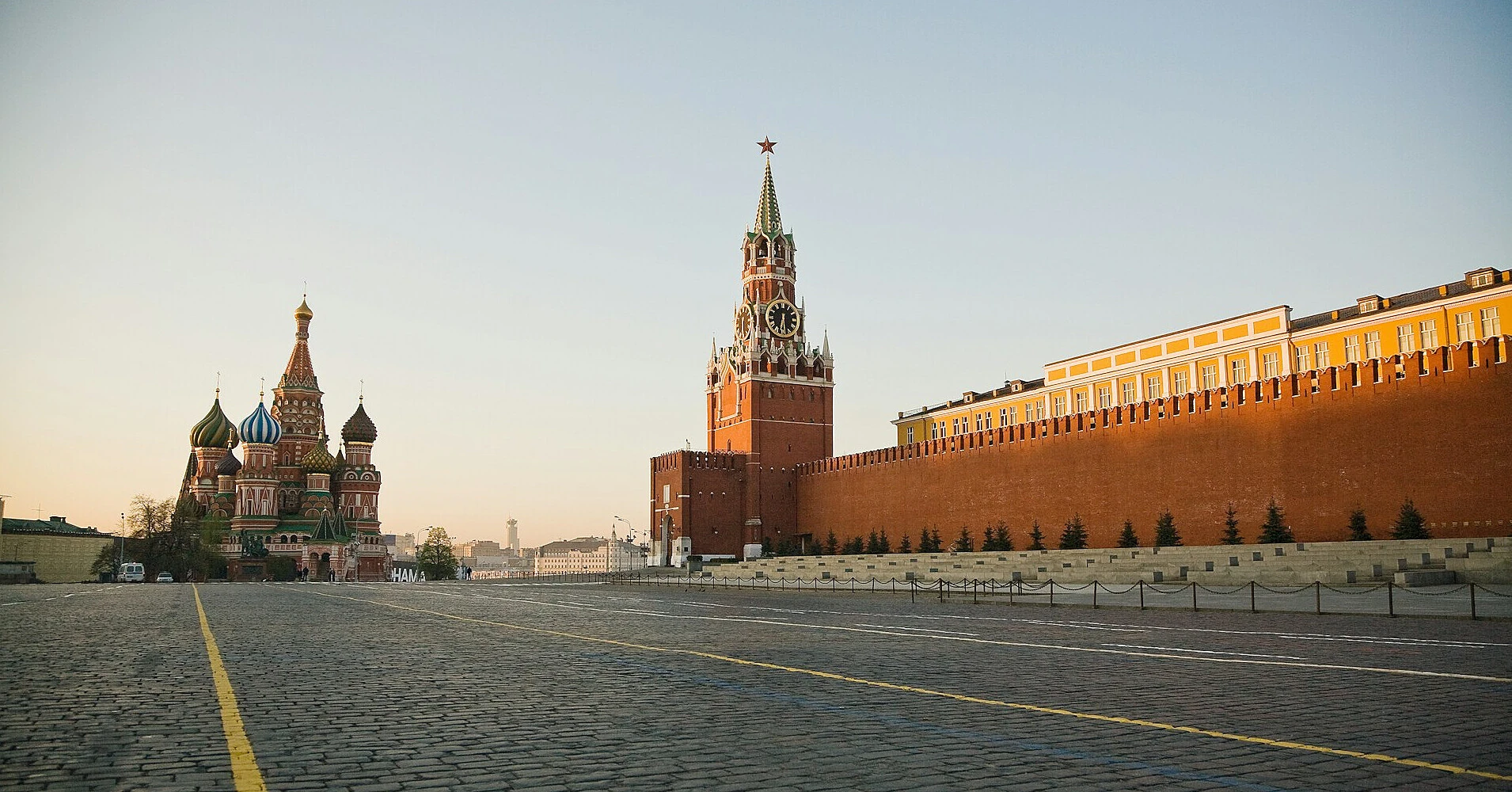
The Kremlin called a possible mutual halt to Ukrainian and Russian strikes on energy facilities "a very good idea" and confirmed contacts with the US on this issue. At the same time, Moscow has still not stated that it has agreed to such a truce or is ready to stop attacks on Ukrainian energy. This comes amid Financial Times reports that Vladimir Putin is in no hurry to reach a deal before winter.
The Kremlin's position was stated by Russian presidential spokesman Dmitry Peskov.
According to him, Moscow saw the statement by US President Donald Trump about an energy truce and generally positively assesses such an initiative.
"We generally, of course, consider this a very good idea, a good initiative. We are in contact with the Americans", Peskov said.
At the same time, he did not say that Russia has already committed to stopping strikes on Ukrainian energy facilities, and did not name specific conditions or timelines for a possible truce.
Just a few days ago the Kremlin rejected substantive negotiations
The Kremlin's current rhetoric is noticeably different from the statements Moscow made just a few days ago.
On September 10, Peskov claimed that there were no substantive negotiations on an energy truce. He then called Ukrainian energy "the Achilles' heel" and stated that Kyiv allegedly seeks not a long-term settlement, but only a halt to strikes in the area most vulnerable for itself.
On September 13, the Kremlin also called President Volodymyr Zelenskyy's statements about a mirror response to Russian attacks on energy "escalatory". And already on September 14, Peskov welcomed Trump's call for Ukraine to stop strikes on Russian refineries, but avoided answering the question whether Russia would then stop attacks on Ukrainian infrastructure.
On the eve, Trump went further and stated that Ukraine and Russia had allegedly already agreed to mutually not attack energy facilities.
However, Financial Times found that there is no final agreement, and the US president's statement caught Ukrainian officials by surprise.
FT: Putin may drag out the deal until winter
According to Financial Times, contacts regarding a possible energy truce have indeed resumed, but Moscow is not yet showing readiness to quickly negotiate.
Interlocutors of the publication familiar with the Kremlin's position claim that Putin may not be interested in stopping strikes before the onset of winter. In Moscow, they say, they plan to use attacks on the Ukrainian energy system as an additional lever of pressure on Kyiv during the cold period.
Thus, Peskov's statement today indicates primarily a change in the Kremlin's public rhetoric, but does not yet refute FT's information about the absence of a real agreement.
Ukraine, for its part, states that it is ready to stop strikes on Russian energy infrastructure only on condition of a real and guaranteed cessation of Russian attacks on Ukrainian energy and other critical infrastructure.
The Kremlin acknowledged the benefit of a truce for Russian refineries
Separately, Peskov actually acknowledged that halting Ukrainian strikes would allow Russian refineries to operate more safely and increase the production of petroleum products.
According to him, under such a scenario Russia would be able to fully saturate its own fuel market. At the same time, he stated that Moscow even without a truce is working to protect oil refineries and other energy facilities.
The statement came literally after a new Ukrainian attack on Russian oil refining. On the night of September 15, the Defense Forces struck the Syzran refinery of Rosneft in Samara region. The General Staff of the Armed Forces of Ukraine reported hits on the primary oil refining unit AVT-6 and the tank farm, after which a fire broke out at the facility.
The Syzran plant has a capacity of about 8.9 million tons of oil per year and produces, in particular, gasoline, diesel and aviation fuel.
Moscow did not agree with Trump on the causes of diesel shortage
At the same time, the Kremlin rejected Trump's claim that the main cause of diesel fuel problems on the world market was precisely the Russian-Ukrainian war and Ukraine's strikes on Russian refineries.
Peskov claims that even full operation of Russian refineries will not solve the problem of the world market, since Moscow considers restrictions on exports of Russian petroleum products the main obstacle.
In his version, safe maritime transportation of petroleum products and the lifting of Western sanctions are needed to increase Russian supplies.
This assessment partially contradicts not only Trump's statement, but also KSE Institute's calculations about the causes of the current shortage.
According to the institute's estimate cited by FT, from March to August deliveries of diesel and gasoil from Persian Gulf countries fell by about 152 million barrels, while Russian exports fell by about 68 million barrels. That is, losses of supplies from the Persian Gulf were more than twice as large.
At the same time, Ukrainian strikes did substantially hit the Russian fuel sector. According to KSE Institute, in July maritime exports of Russian petroleum products fell by 31.6% month-on-month to 1.36 million barrels per day, the lowest level for the entire observation period.
Amid problems with the domestic market, Russia also restricted diesel fuel exports. Peskov said that after sufficient saturation of the domestic market, Moscow would like to again increase supplies to foreign markets.
Thus, the Kremlin's public position on an energy truce has become significantly softer in a few days: from statements about the absence of substantive negotiations, Moscow moved to supporting the American initiative and confirming contacts with the US. However, the main question remains unanswered - whether Russia is ready to actually stop strikes on Ukrainian energy and provide guarantees for the implementation of such an agreement.
Based on: Financial Times, KSE Institute, General Staff of the Armed Forces of Ukraine
