
Global oil crisis shifts to fuel: market loses safety margin
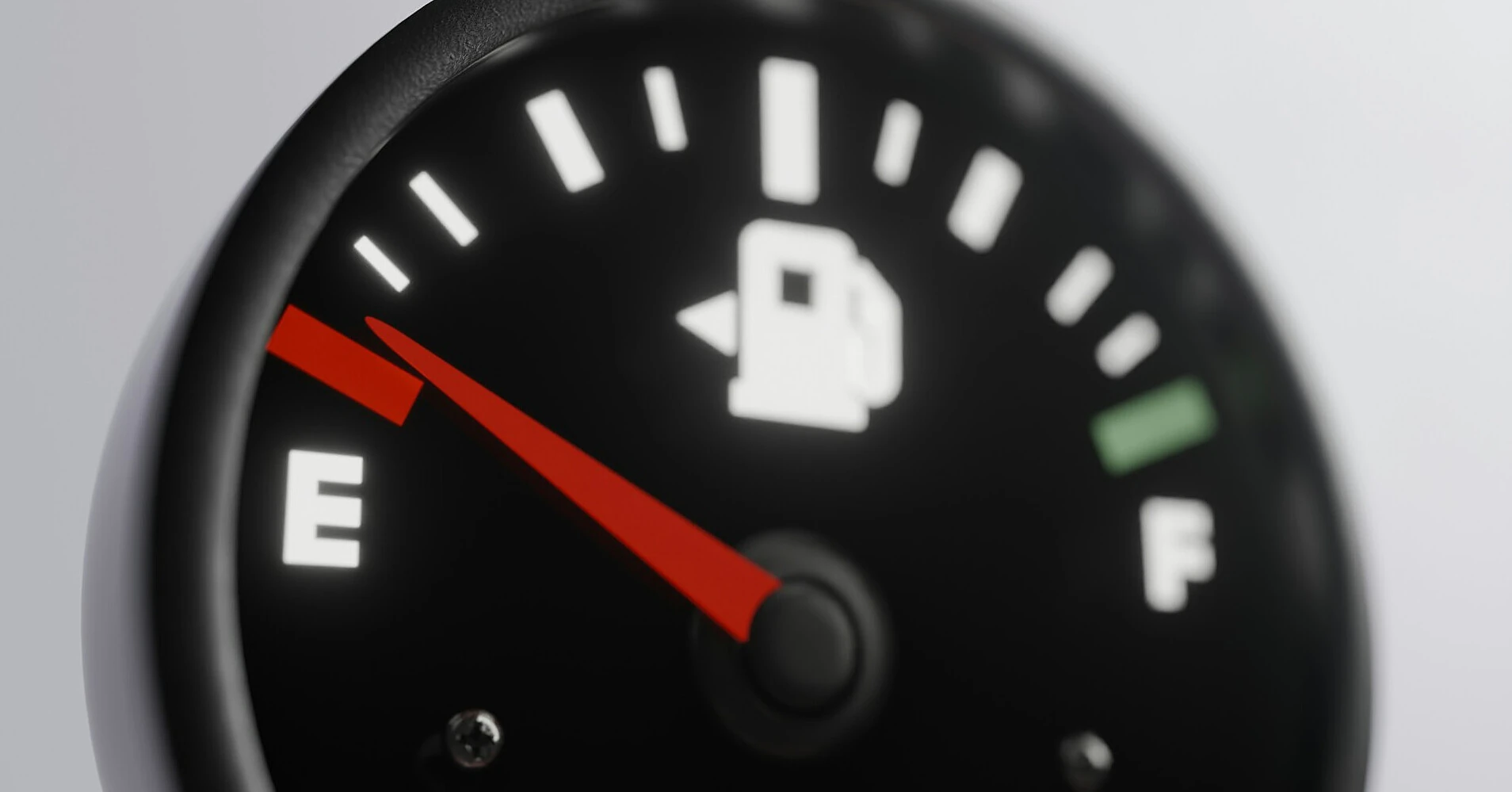
The global oil market is entering a new phase of the crisis: reserves that have helped offset supply disruptions from the Middle East in recent months are rapidly depleting, and the biggest deficit has already formed not so much in the crude oil market as in the refined fuel market, particularly diesel.
Executives of American oil companies warn that the mechanisms that previously held back shortages and prices have been largely exhausted. The situation was further aggravated by the shutdown of the Saudi East-West pipeline, which had become one of the key routes for oil supplies bypassing the problematic Strait of Hormuz.
Chevron CEO Mike Wirth said that the safety margin in the global supply system has become significantly smaller. In his assessment, it is now difficult to see factors that could ensure a rapid decline in prices.
The world has already spent a significant portion of its oil reserves
Data from the International Energy Agency shows that the problem has been building for several months. In August alone, observed global oil inventories fell by 95 million barrels. The total decline in inventories since February reached 507 million barrels – an average of about 2.8 million barrels per day.
At the same time, global oil production in August decreased by 1.6 million barrels per day compared to July. More than 10 million barrels per day of production capacity of Persian Gulf countries remained unavailable due to security risks and transportation problems.
The IEA now forecasts that global oil supply by the end of 2026 will decrease by about 5.7 million barrels per day. The agency already postpones full restoration of supplies from the Middle East until 2027.
Diesel becomes the main problem
The situation is particularly acute in the oil products market. The IEA notes that diesel and gasoil prices are rising much faster than crude oil quotations. In early September, their wholesale price in the US exceeded the equivalent of $200 per barrel – about 94% more than before the start of the Middle East crisis.
The reason is a sharp reduction in exports of refined products from regions that have traditionally provided a significant part of the world market. In August, Persian Gulf countries exported an average of only about 390,000 barrels per day of diesel and gasoil – just over a quarter of pre-war levels.
The problem was compounded by a decline in refining and fuel exports from Russia after strikes on its refining infrastructure. According to IEA calculations, the combined net exports of diesel and gasoil from Persian Gulf countries and Russia in August were about 1.6 million barrels per day lower than in February. Before the start of the current crisis, these two sources accounted for almost 45% of global seaborne trade in diesel fuel.
Attack on East-West removes another safety mechanism
A new blow to the market was the shutdown of the Saudi East-West pipeline following attacks on its infrastructure. After a sharp reduction in tanker traffic through the Strait of Hormuz, this pipeline allowed Saudi Arabia to transport oil from the eastern part of the country to the port of Yanbu on the Red Sea.
According to Associated Press estimates, recently this route could handle about 2.6-4 million barrels of oil per day. Recovery after the latest attack may take several weeks.
The problem is that alternative routes are diminishing. Shipping through the Strait of Hormuz remains significantly constrained, while the situation in the Red Sea and Bab-el-Mandeb Strait has also worsened due to increased Houthi activity.
No quick return of cheap oil expected
Against this background, prices remain above $100 per barrel. During trading on September 15, Brent was near $107 per barrel, and American WTI above $103.
At the same time, more expensive oil is only part of the problem. Diesel shortage directly increases costs for freight transportation, agriculture, and industry, so a prolonged crisis in the oil products market could create a new wave of inflationary pressure even in countries not directly dependent on supplies from the Persian Gulf.
The IEA considers the full restoration of flows through the Strait of Hormuz the main condition for market normalization. Until that happens, the global oil market increasingly depends on dwindling reserves and the ability of other producers to compensate for the loss of supplies from the Middle East.
Sources: The Wall Street Journal, International Energy Agency, Associated Press
