
The Rada has taken up the reform of the Deposit Guarantee Fund's management
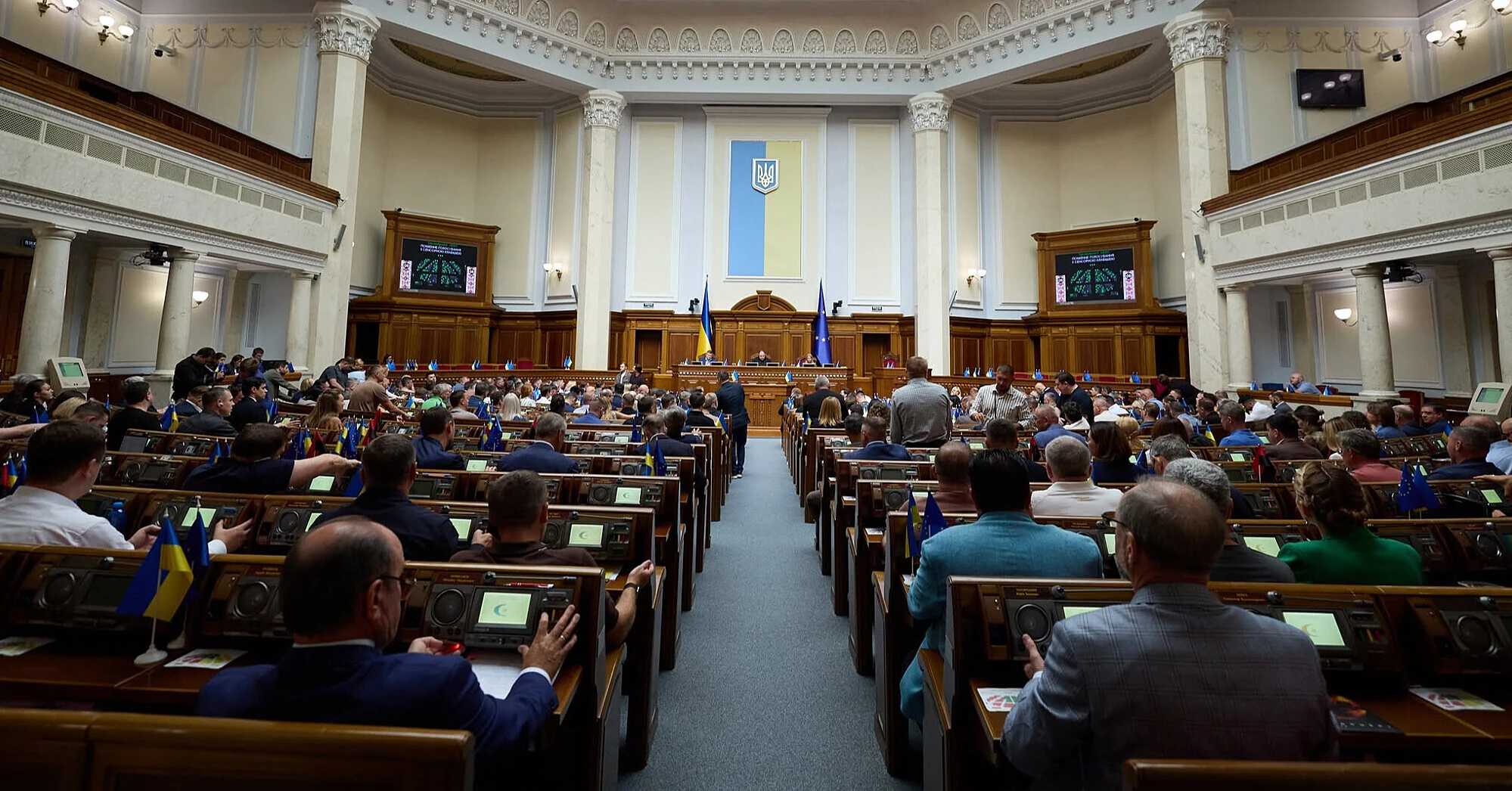
The Verkhovna Rada has supported in the first reading draft law No. 15269 on the reform of the corporate governance of the Deposit Guarantee Fund for individuals. The document provides for expansion of the Fund's administrative board, creation of a separate audit committee, competition for the position of the director-manager and strengthening of control over the work of the DGF.
On September 16, 271 MPs voted for the draft law. The document was adopted only as a basis, so its provisions may change during preparation for the second reading.
The administrative board will be expanded from five to seven persons
Currently, the administrative board of the DGF consists of five persons: one representative of the Cabinet of Ministers, two representatives of the National Bank, one representative of the relevant committee of the Verkhovna Rada and the ex officio director-manager of the Fund.
The draft proposes to increase it to seven members. The Government, the NBU and the relevant parliamentary committee will delegate two persons each, and the director-manager will remain the seventh member of the board ex officio.
At the same time, the rules for holding meetings are changed. As now, at least four board members are required to adopt decisions, but the presence of at least one representative from each of the three bodies – the Cabinet, the NBU and the parliamentary committee – will become an additional condition.
For members of the administrative board, the requirement to meet the criteria established by law during the entire term of office is also directly fixed. Appointments that may cause a conflict of interest will not be allowed.
A separate audit committee will be created in the Fund
The administrative board is to receive a new power – to create an audit committee. It will assess the reliability and effectiveness of the Fund's internal control, as well as the completeness and accuracy of its annual financial statements.
The committee will be an advisory body of the administrative board. Its composition may include both members of the board itself and independent experts. The total number of members must not exceed four persons, and meetings must be held at least once a quarter.
The administrative board will also receive more powers regarding internal audit: it will determine its procedure and frequency, approve the annual plan and supervise the internal audit service.
The head of the DGF will be elected through a competition
One of the biggest changes will be a detailed competition procedure for appointing the director-manager of the Fund.
First, the administrative board will select at the expense of the DGF a professional personnel recruitment company. It will check candidates for compliance with the requirements of the law and submit selected candidates to the competition commission.
The competition commission will include one member of the administrative board from the Cabinet, the National Bank and the relevant committee of the Rada. Representatives of international financial organizations may also be involved in its work, but only with an advisory vote.
The commission has to select three candidates with, in its opinion, the best professional knowledge, experience and qualities. After that, the administrative board will elect one of them as director-manager by open vote.
The total period of preliminary selection and competition must not exceed two months from the day the competition is announced. If the board does not appoint any of the three candidates, it may invite the next three candidates or launch a repeated selection.
Requirements for the Fund's management will be strengthened
The draft law details restrictions for members of the executive directorate, which will also apply to the director-manager.
In particular, managerial positions may not be held by persons with certain unexpunged convictions, as well as those who during the period determined by law held a substantial participation in a bank that the NBU declared insolvent or liquidated.
Restrictions are also provided for persons against whom significant tax and other mandatory payment debts were enforced during the last two years, as well as for debtors on alimony payments if the arrears exceed payments for 12 months.
Internal audit will become more independent
The head of the internal audit service is proposed to be appointed and dismissed directly by the administrative board. At present, the director of the Fund participates in this procedure through submission and approval.
A candidate for this position must have at least five years of experience in auditing, accounting or risk management.
The internal audit service itself will be directly defined as independent when conducting checks. It will assess the effectiveness of risk management, internal control and management processes in accordance with the Global Internal Audit Standards.
Audits will be carried out in accordance with the annual plan, which the administrative board will approve on the submission of the audit committee. The director-manager will have the right to initiate an unscheduled check.
The DGF must become more transparent in reporting
The procedure for publishing financial information is also being changed. The Fund will have to prepare not only an annual activity report and financial statements, but also a separate management report.
Financial statements, a management report and an audit report are proposed to be published on the DGF website no later than June 1 of the year following the reporting year. The annual activity report of the Fund – no later than July 1.
Additionally, the Fund will have to disclose reports on the actual use of expenditure budgets for temporary administration and liquidation of specific banks. Such data must be published on the website of the DGF and the relevant insolvent bank.
The relevant committee recommended adopting No. 15269 as a basis and refining it for the second reading, taking into account the remarks of the Main Scientific and Expert Directorate, the Ministry of Finance and parliamentary amendments. The official card of the Rada also notes that the budget committee does not expect the draft law to affect the indicators of the state or local budgets.
Based on materials from: The Verkhovna Rada, card No. 15269
