
Poland counted on SAFE money, but it may be directed to Ukraine
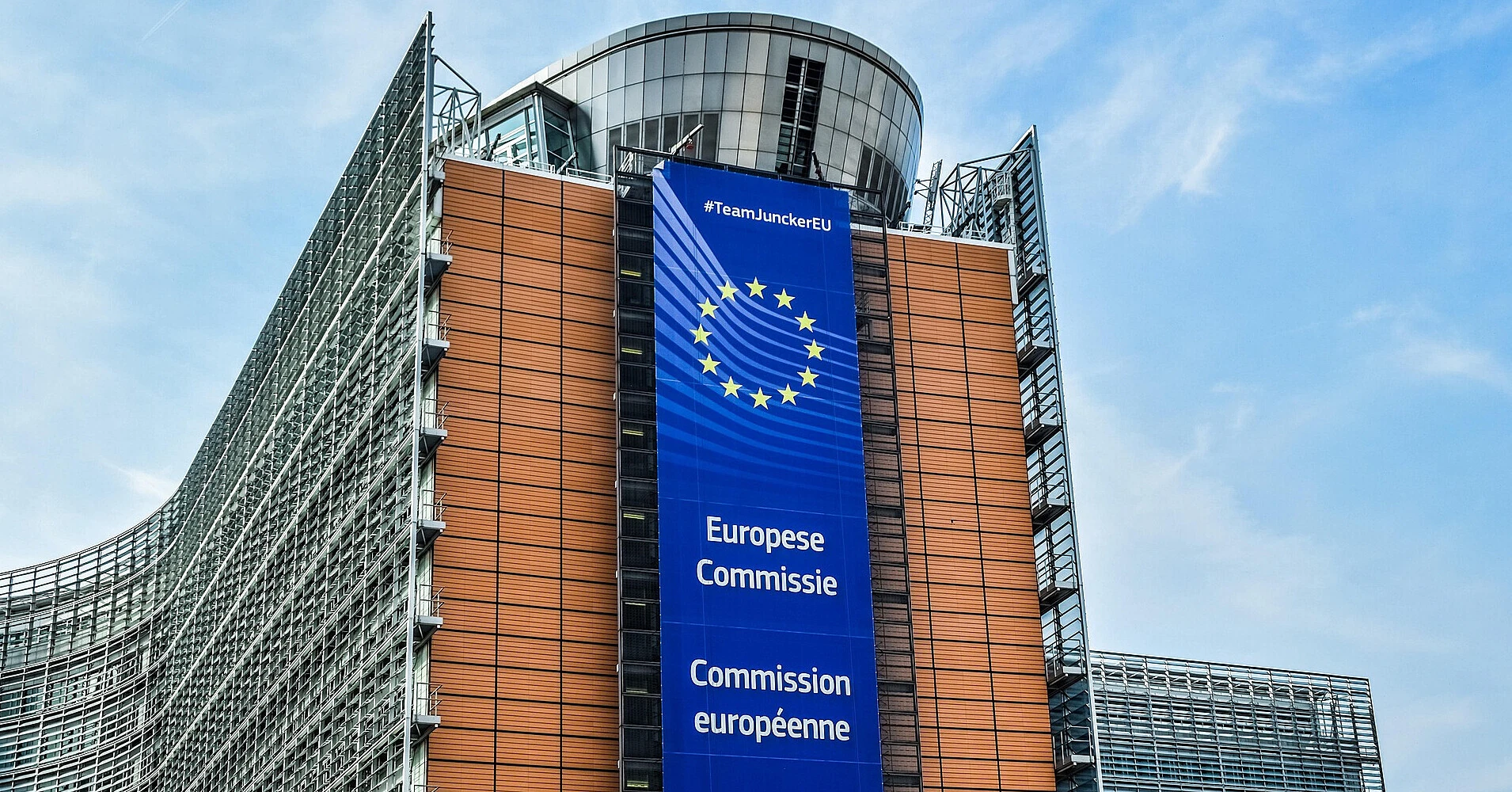
The European Commission intends to use unused funds from the SAFE defense loan program for a new program of joint projects with Ukrainian defense companies. This came as a surprise to Poland and several other EU countries: Warsaw had counted on a second round of distribution of the remaining money for its own defense projects.
This is reported by Polish radio station RMF FM, citing diplomats in Brussels. European Commission President Ursula von der Leyen announced plans to use the remaining SAFE funds on September 16 during her annual State of the European Union address.
According to her, the EU intends to create a new program of joint projects with Ukrainian enterprises using funds that will remain in SAFE. One of the key areas of cooperation will be the development of an affordable modular missile defense system within the FREYJA project.
The project is intended to combine Ukrainian combat experience and developments with European technology and production capacity. Von der Leyen also linked it to the need to reduce Europe's and Ukraine's dependence on a single supplier of missile defense systems.
However, as RMF FM writes, the European Commission President's announcement caused surprise in several EU capitals. Poland had previously openly counted on a second round of SAFE, under which funds not claimed by other countries could be redistributed to countries willing to increase their defense orders.
In August, Polish Deputy Defense Minister Paweł Zalewski said that Warsaw intends to present additional projects to the European Commission and claim money that would remain after the first distribution.
These plans are now in question. A European diplomat told RMF FM that EU countries had not previously agreed with the European Commission on a decision to direct the remaining funds to a new format of cooperation with the Ukrainian defense industry.
The radio station's sources point out that SAFE is a loan instrument: the money is received and later repaid by EU member states. Therefore, some countries believe that they should participate in decisions on the further use of undistributed financing.
However, it is not yet known what amount is at stake. EU countries must submit data on the implementation of their defense plans to the European Commission by the end of October, after which it will become clear which part of the program will truly remain unclaimed.
Previously, an amount of about 10 billion euros was unofficially discussed. In particular, Italy was reserved almost 15 billion euros, but Rome has not yet concluded agreements for the entire available amount due to concerns about the impact of loans on the budget deficit. Hungary was allocated about 16 billion euros, but it is also not yet known whether the country will manage to obtain the full amount of financing.
SAFE provides up to 150 billion euros in long-term loans to increase defense spending of European Union countries. Poland is the largest recipient of the program's funds, with an approved loan of up to 43.7 billion euros. In May, Warsaw already received the first advance payment of about 6.6 billion euros.
At the same time, Ukraine has been integrated into the SAFE mechanism as a partner of the defense industry from the very beginning. Only EU countries can receive loans under the program independently, but Ukrainian companies have the right to participate in joint procurement and production projects. Of the 19 national plans initially submitted to the European Commission, 15 included projects with Ukraine's participation.
According to RMF FM, EU countries have so far used SAFE for joint projects with Ukraine only to a limited extent. The European Commission wants to expand such cooperation amid Kyiv's continuing defense financing needs.
Thus, there is no decision yet to transfer a specific amount from SAFE to Ukraine. Von der Leyen announced a political intention to use the remaining funds for a new program of joint projects, while the exact amount of available money and the mechanism for its redistribution have yet to be determined.
Source: RMF FM, European Commission, European Commission — SAFE
