
China and India responded to the threat of US sanctions for Russian oil, Moscow talked about a threat to negotiations
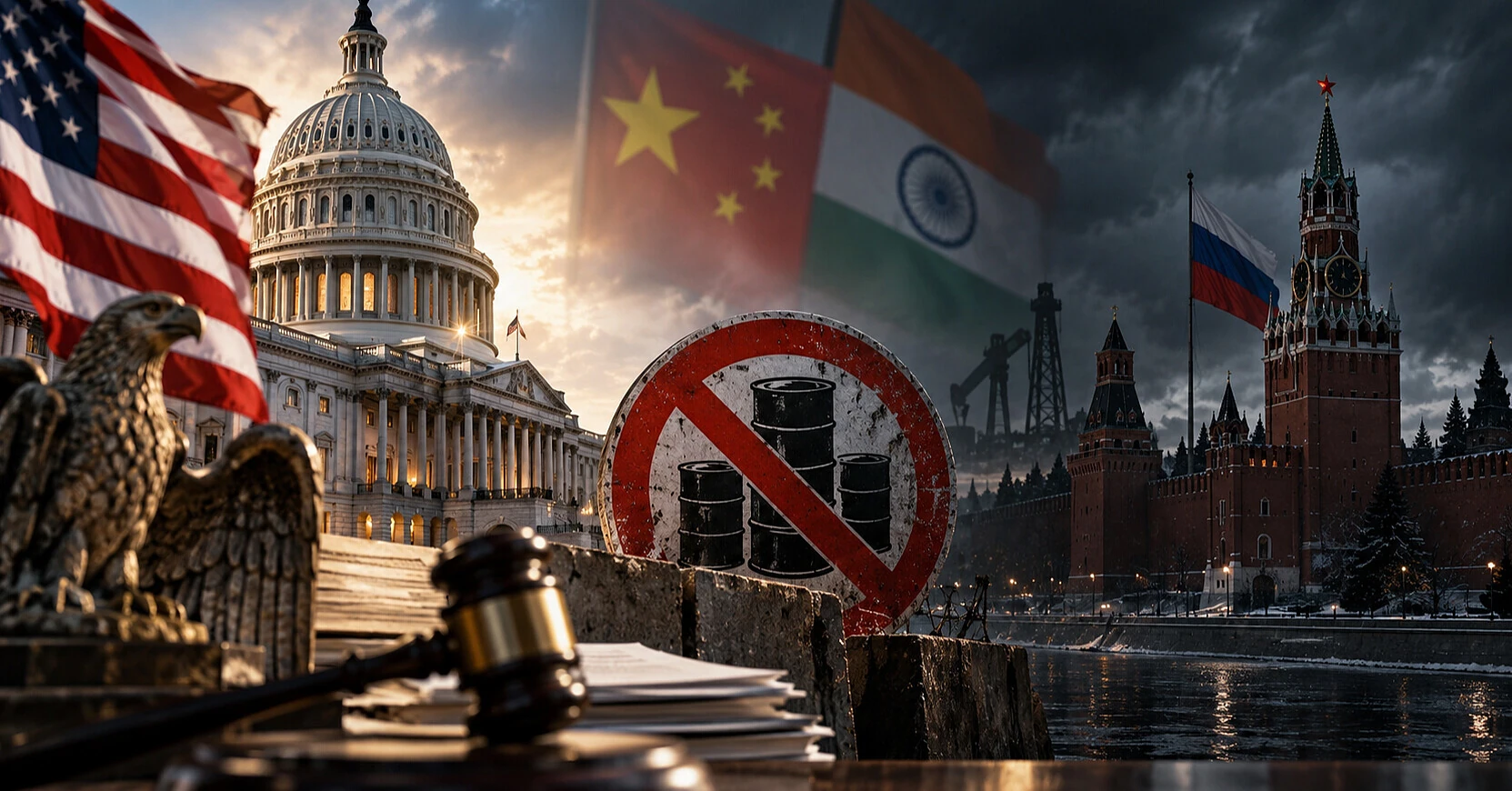
Russia said that new US sanctions could complicate negotiations to end the war against Ukraine, while China opposed interference in its trade with other countries. India, which could also come under US tariffs for buying Russian oil, promised to protect its trade and economic interests.
The reaction came after the US House of Representatives on September 16 passed the Lindsey O. Graham Sanctioning Russia and Iran Act of 2026. The bill was supported by 262 congressmen, with 159 against. The Senate earlier approved the document 86 votes to 11, so it now needs to be sent for signature to President Donald Trump.
The document provides for new restrictions against the Russian energy and defense sectors, financial institutions, officials and vessels of the so-called shadow fleet. One of the key provisions gives the US president the right to impose tariffs of up to 100% against major buyers of Russian oil and gas, including potentially China and India.
Kremlin said about a threat to peace negotiations
Russian President's press secretary Dmitry Peskov called the advancement of the sanctions bill "an unfriendly step" and said that the introduction of new US restrictions, according to Moscow, would complicate the search for a peaceful settlement of the war against Ukraine.
"The introduction of any additional sanctions from the US will undoubtedly complicate efforts to find a peaceful settlement", - stated Peskov.
At the same time, it is Russia that continues military actions against Ukraine. In early September, the Kremlin stated its readiness to resume trilateral negotiations with the participation of Ukraine and the US, but acknowledged that there is currently no agreed roadmap for settlement.
China opposed US pressure
Beijing rejected the possibility that Washington would determine the conditions of China's trade with Russia or other countries.
Chinese Foreign Ministry spokesman Guo Jiakun said on September 17 that China carries out economic and trade cooperation with other countries on the basis of equality and mutual benefit, and third countries should not interfere in such relations.
He also reiterated Beijing's position on the unacceptability of unilateral sanctions and extraterritorial jurisdiction without a mandate from the UN Security Council. Guo's statement was made specifically in response to the question about the bill passed by the US Congress regarding Russia.
China remains one of the largest buyers of Russian energy resources, so the tariffs provided for in the American document could directly affect Chinese exports to the US.
India promised to protect trade interests
New Delhi also confirmed that it is monitoring the progress of the bill in the US, and stated that it is ready to take "all necessary measures" to protect its trade and economic interests.
The Indian Ministry of External Affairs emphasized that the country will continue to be guided by the need to ensure energy security for its 1.4 billion citizens.
"India remains firmly committed to ensuring energy security for its 1.4 billion people", - the statement said.
New Delhi plans to continue diversifying its supply sources and to focus on the market situation.
The Indian Foreign Ministry also said that in recent months they have discussed the possible consequences of US sanctions with US officials. New Delhi warned not only about the impact on bilateral trade but also about possible consequences for the global energy market.
India is one of the largest buyers of Russian seaborne oil, so it, along with China, is considered one of the most likely targets of the tariff powers that the new bill grants to the US president.
The document does not automatically mean the introduction of 100 percent tariffs. It expands the US president's authority to apply such measures, and also contains possibilities for exceptions and waivers of individual restrictions if the White House determines that this serves the national interests of the US.
At the insistence of the Trump administration, the bill also includes extension of sanction mechanisms against Iran's energy and weapons sectors.
Based on materials: China's Foreign Ministry, The Week India, Akashvani News
