
New LNG cargoes began passing through Hormuz amid gas shortage
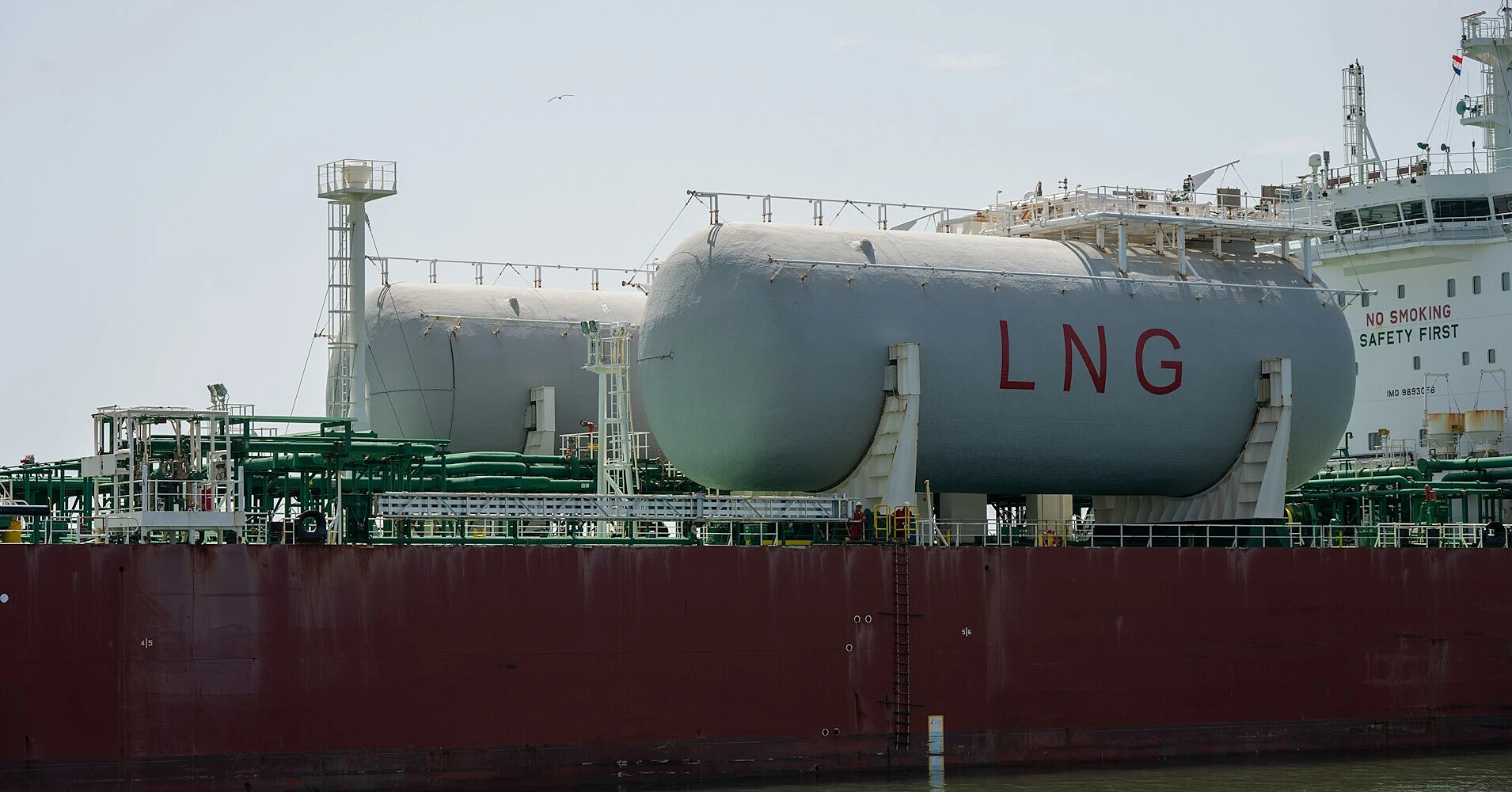
At least two cargoes of liquefied natural gas this week passed through the Strait of Hormuz, where exports from the Persian Gulf have nearly ground to a halt in recent months. Producers also began using rare ship-to-ship transfers of LNG off the coast of Oman, trying to return more gas to the deficit-hit global market.
This is reported by Bloomberg citing vessel-tracking data and satellite imagery.
One tanker that loading LNG from Qatar's Ras Laffan export complex at the end of August appeared in the Gulf of Oman this week. This indicates that the vessel was able to pass through the Strait of Hormuz.
During the passage of the strait, the tanker did not transmit a signal about its location. Bloomberg notes that jamming and other interference with navigation systems are regularly recorded in the region, making precise tracking of vessels difficult.
Two more LNG tankers were spotted this week off the coast of Oman during ship-to-ship transfer of gas. This follows from Copernicus Sentinel-2 satellite imagery.
Since mid-August, at least three such ship-to-ship LNG operations have taken place near Oman. For oil tankers, ship-to-ship transfers at sea amid shipping problems in the region have become a relatively common practice, but for liquefied gas, such operations are significantly more complicated.
LNG must be stored at extremely low temperatures, so transferring the cargo between ships requires special equipment and additional safety measures.
The new voyages signal attempts by producers in the Persian Gulf to gradually increase gas supplies to buyers in Europe and Asia.
LNG exports from the region practically stopped after Iran's attack on a Qatari tanker in early July. Supply disruptions caused a shortage on the international market, and spot LNG prices rose to their highest level in more than three years.
The risk of further price increases remains ahead of the winter season in the Northern Hemisphere, when gas demand traditionally grows.
Pakistan and Bangladesh, which depend heavily on LNG supplies through Hormuz, are particularly closely watching the situation. Every cargo that passes through the strait reduces the need to urgently find a replacement on the expensive spot market.
Before the war, about three LNG cargoes per day on average passed through the Strait of Hormuz. Qatar accounted for about a fifth of global LNG supply at the time.
The current few voyages do not yet mean a full recovery of exports. At the same time, they show that producers are willing to test more complex logistics schemes to return some supplies to the global market even with high risks in the Strait of Hormuz remaining.
