
Zelenskyy announced a 'huge hole' in the budget: solutions are already being prepared
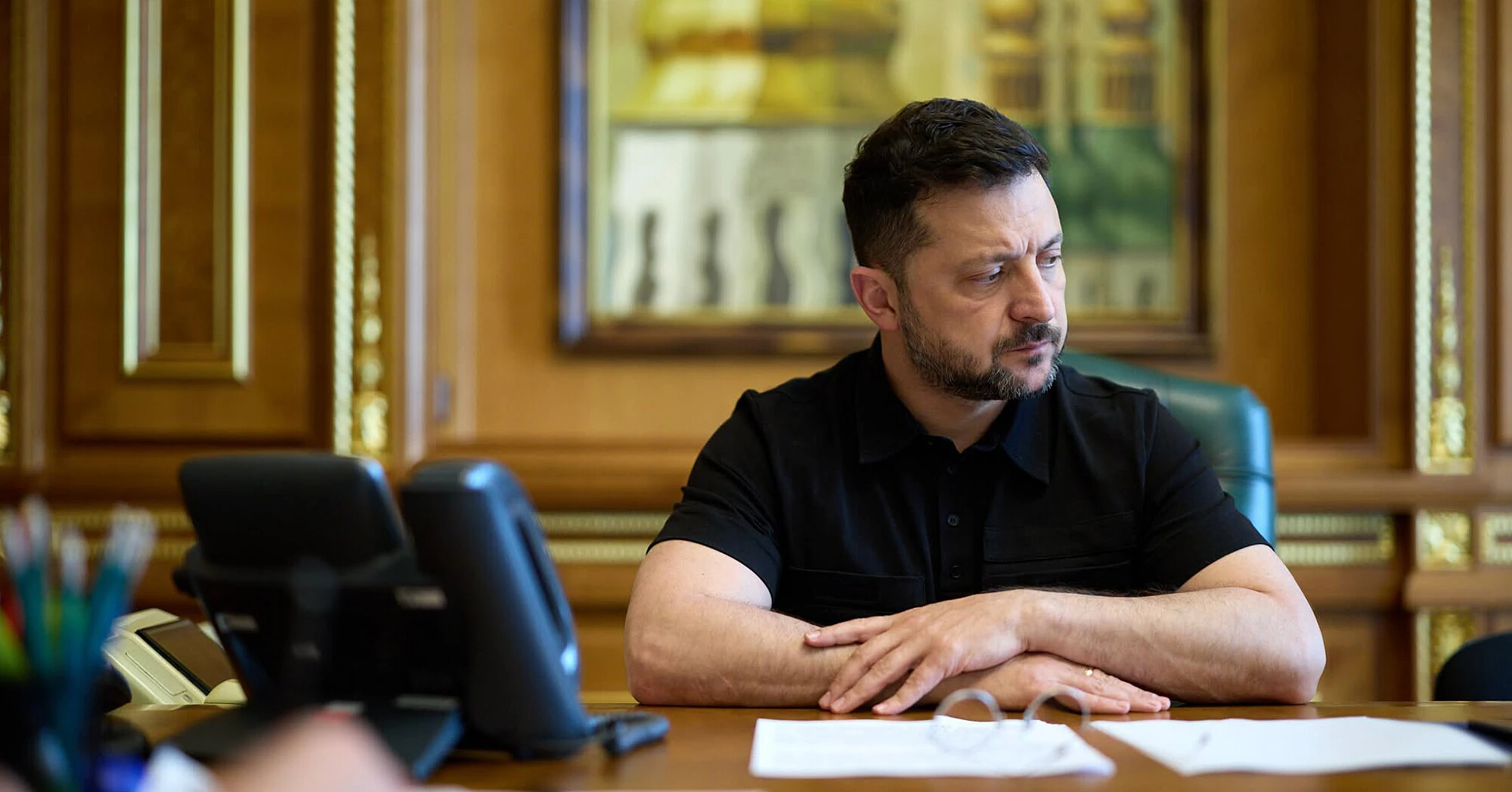
Ukraine is facing a serious shortage of funds in the state budget, primarily for defense financing, but Kyiv is already discussing several options with partners to cover the deficit. President Volodymyr Zelenskyy stated this on September 18 during a meeting with journalists at the “Carpathian Eight” gathering.
The head of state described the situation as a problem with a “huge hole” in the budget and noted that the Ukrainian side is currently working to close it. According to Zelenskyy, proposals already exist, but the final decision depends in part on agreements with European partners.
The president did not name a new total amount for the budget gap. However, he previously reported that Ukraine lacks about $27 billion for financing the Ministry of Defense alone until the end of 2026. This figure should not be considered the size of the entire state budget deficit: it refers specifically to additional defense sector needs.
Zelenskyy previously explained that part of the funds planned for the second half of the year had to be used ahead of schedule—in particular, for drones and other urgent army needs. Therefore, Ukraine now needs to compensate for these expenses and finance the remaining obligations.
According to the president’s earlier estimates, about $20 billion is needed, in particular, for payments to military personnel, families of the fallen, and other current defense expenditures. Another roughly $8–10 billion Ukraine would like to have in advance for contracts and arms supplies in early 2027.
Ukraine discusses accelerating European financing
One potential source of funds remains the Ukraine Support Loan program of 90 billion euros, designed by the European Union for 2026–2027. About 60 billion euros of it is earmarked for Ukraine’s defense needs, and another 30 billion euros for budget support.
For 2026, the EU has provided up to 45 billion euros under this mechanism: 28.3 billion euros for the defense industry and 16.7 billion euros for budget support. Earlier, Zelenskyy suggested considering the possibility of bringing forward part of the financing planned for 2027 to close the current defense spending deficit.
Meanwhile, the European Commission stated that it first intends to fulfill the already agreed financing schedule for the current year. As of September, part of the approved funds had still not been transferred to Ukraine.
On the eve, September 17, Zelenskyy separately discussed the problem of financing Ukrainian defense with European Commission President Ursula von der Leyen. The President’s Office reported that the conversation was detailed and that the sides are preparing solutions to cover Ukraine’s needs.
Among other possibilities, Kyiv and European capitals continue to discuss the use of revenues and potential mechanisms related to frozen Russian assets, as well as increased bilateral assistance from individual states.
EU has already allocated tens of billions to Ukraine
In 2026, the European Commission began disbursements under the new support program. The first tranche of macro-financial assistance in the amount of 3.2 billion euros was transferred in June. Separate payments were also directed to the purchase of drones and other defense products.
The European Commission emphasizes that receiving part of the budget financing is linked to the implementation of agreed conditions and reforms. In early September, representatives of Ukraine and the European Commission separately discussed necessary legislative decisions, financing in 2026–2027, and the preparation of Ukraine’s financial strategy for the next year.
At the same time, the International Monetary Fund also notes Ukraine’s exceptionally high financial needs due to the ongoing war. In its August review, the IMF estimated the total financing gap in the baseline scenario for 2026–2029 at $140.3 billion, most of which is to be covered by external official assistance. This is a broader indicator than the shortage of funds for defense in 2026 mentioned by Zelenskyy.
Thus, the current problem is not only the overall volume of international support but also the timing of funds. Kyiv needs to receive a significant part of the resources in the coming months, while some European funds were initially distributed for 2027.
Based on materials from: Office of the President of Ukraine, European Commission, IMF
