
Global oil tanker shortage at historic high due to war with Iran
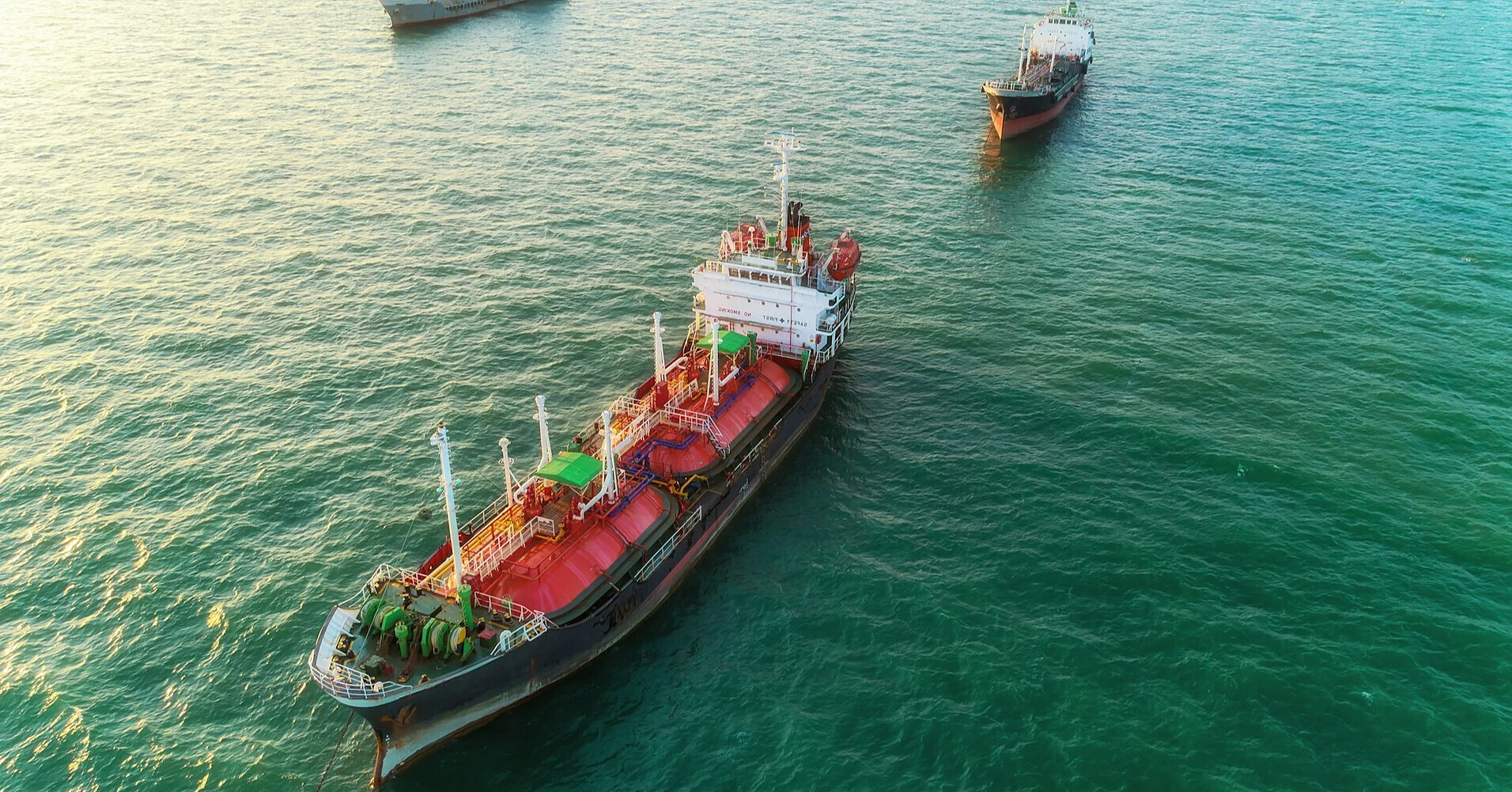
The US war with Iran and the shutdown of the key Saudi oil pipeline, which allowed bypassing the Strait of Hormuz, have sharply exacerbated the shortage of vessels for transporting crude oil. Supertanker freight rates have hit historic highs, and expensive logistics could partially offset the current drop in oil prices for consumers.
According to Bloomberg, the cost of chartering a VLCC supertanker on the benchmark route from the Persian Gulf to China exceeded $1 million per day for the first time on September 14. Baltic Exchange data showed a rate of about $1.035 million per day. Even shipping oil from the Gulf of Oman to China, which does not require passage through the Strait of Hormuz, cost the equivalent of about $644,000 per day.
Due to the danger in the Strait of Hormuz, a significant portion of large tankers do not enter the Persian Gulf directly. Producers have to deliver oil through the strait on short voyages and transship it to other vessels beyond it. This scheme ties up more tankers simultaneously and reduces the number of available vessels on other routes.
The problem has already spread far beyond the Middle East. Bloomberg reported on September 19 that in some regions there are virtually no available supertankers left, and the sharp rise in shipping costs is making some long-haul routes economically unviable. For example, shipping a cargo of oil from Houston to Asia now adds about $26 to the cost of each barrel, or roughly $52 million per cargo. As a result, refineries are increasingly trying to buy feedstock closer to their markets.
Additional pressure on the tanker fleet arose after the attacks on the Saudi East-West oil pipeline on September 10. The route, with a capacity of up to 7 million barrels per day, pumps oil across Saudi Arabia to the Red Sea coast and is one of the main ways to avoid using the Strait of Hormuz. After the attacks, the pipeline was shut down. Saudi Aramco is working to bypass the damaged section and expects to restore about half of its capacity earlier than full operation of the system.
At the same time, the situation has worsened on the other end of the Saudi route — in the Red Sea. According to S&P Global, large VLCC oil tankers have stopped transiting through the Bab el-Mandeb Strait due to the threat of Houthi attacks. Part of the Saudi oil heading to Asia is now being shipped around the Cape of Good Hope, adding at least three weeks to the voyage.
As a result, the global VLCC freight index from Platts reached a historic high of almost $971,000 per day on September 16. On September 1 it stood at about $519,000, and on July 20 it was less than $284,000. Thus, in less than two months, the average rate under this indicator more than tripled.
Meanwhile, oil itself has been getting cheaper in recent days on expectations of a partial restoration of the Saudi pipeline. On September 21, Brent fell to about $103.5 per barrel. However, record shipping costs mean that cheaper crude does not fully translate into lower delivered oil and petroleum product costs. This could keep gasoline and diesel prices elevated longer even if oil quotations continue to decline.
Based on materials from: The Wall Street Journal, Bloomberg, Bloomberg
