
US Congress investigates F-35 parts ending up in Hong Kong
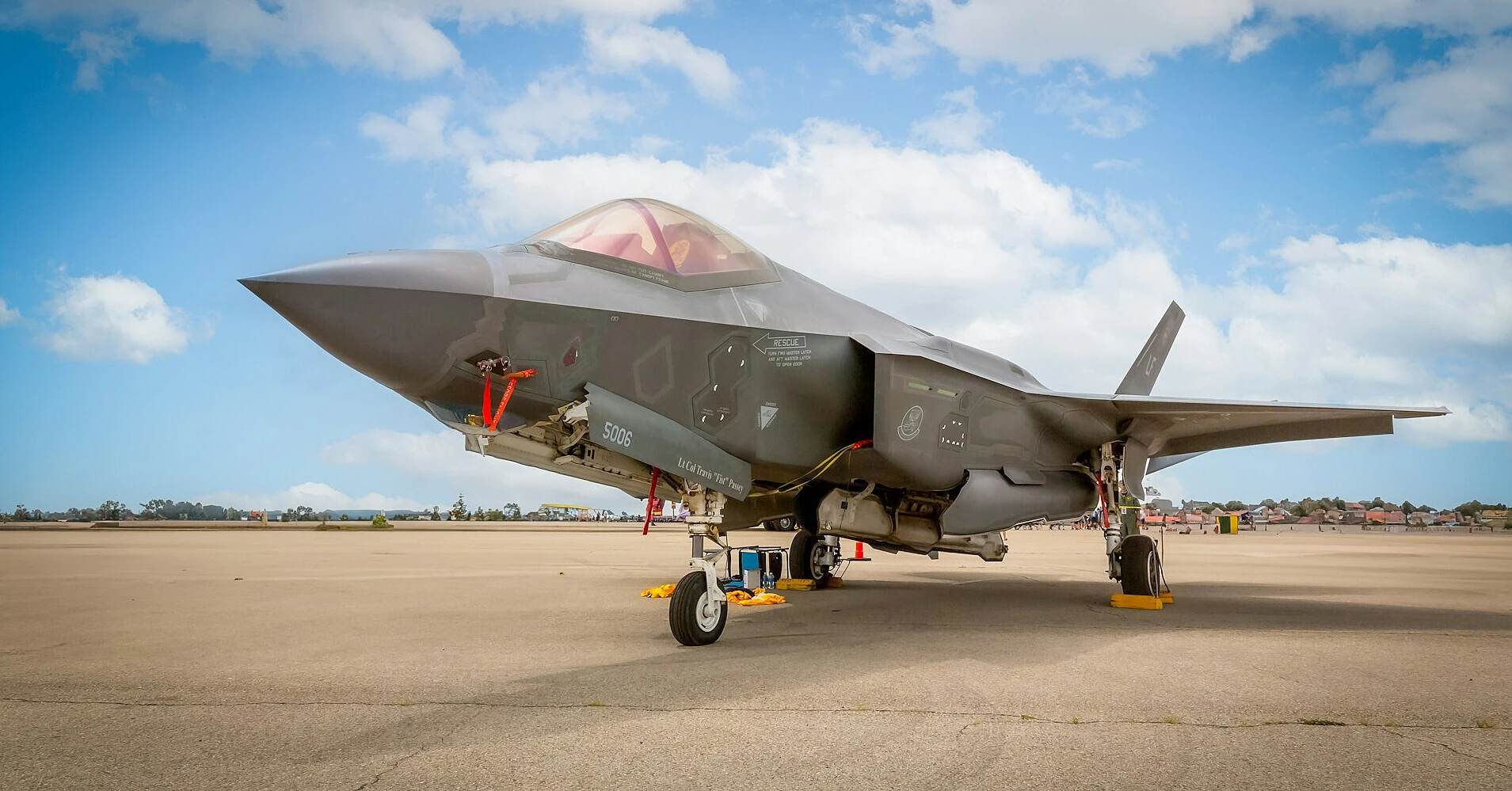
The US House Armed Services Committee is investigating how a batch of F-35 fighter jet components, sent from Australia to the US for repair, was redirected to Hong Kong. The Pentagon is trying to recover the equipment and determine the causes of the incident.
Committee spokesperson Heather Vaughn told Bloomberg that lawmakers have already received several briefings on the situation and are continuing their review. The F-35 Joint Program Office also confirmed the problem with the delivery of "unserviceable" components and stated it is working with US agencies and industry partners on their return.
The shipment was traveling across the Pacific from Australia to the US, where the parts were to be repaired, but for an unestablished reason the route was changed. The shipment was handled by an intermediary on behalf of F-35 manufacturer Lockheed Martin. Who currently controls the components and why they ended up in Hong Kong is not publicly reported.
Of particular concern was that the cargo included an F-35 canopy. According to US media, its construction uses sensitive technologies related to the aircraft's low observability. Australian Defence Magazine specifies that the canopy surface contains a special radar-absorbent material that requires repair or replacement over time.
There is currently no confirmation that the components reached the Chinese military or were examined by them. However, the incident created a risk of access to technologies of one of the most advanced American combat aircraft, which is why US agencies are trying to establish the full route and location of the cargo.
Australia is a key regional hub for F-35 maintenance in the Asia-Pacific region. The country has 72 F-35A fighters, and local industry participates in the global program of repair, maintenance, and component supply. Yet, according to Australian Defence Magazine, there are no facilities for repairing F-35 canopies directly in Australia.
Lockheed Martin did not disclose details of the specific shipment, citing security restrictions. The company stated that its teams comply with US rules for transporting aviation components and apply measures to protect the F-35 program and its partners.
The incident also drew attention to the broader problem of controlling F-35 spare parts. According to Bloomberg, shortcomings in accounting for components and equipment of the program have appeared for the sixth year in a row among significant weaknesses in the Pentagon's financial audit.
Based on materials from: Bloomberg, Australian Defence Magazine, Australian Department of Defence
