
Sulina vessel clearance procedures changed to speed up traffic through the Danube
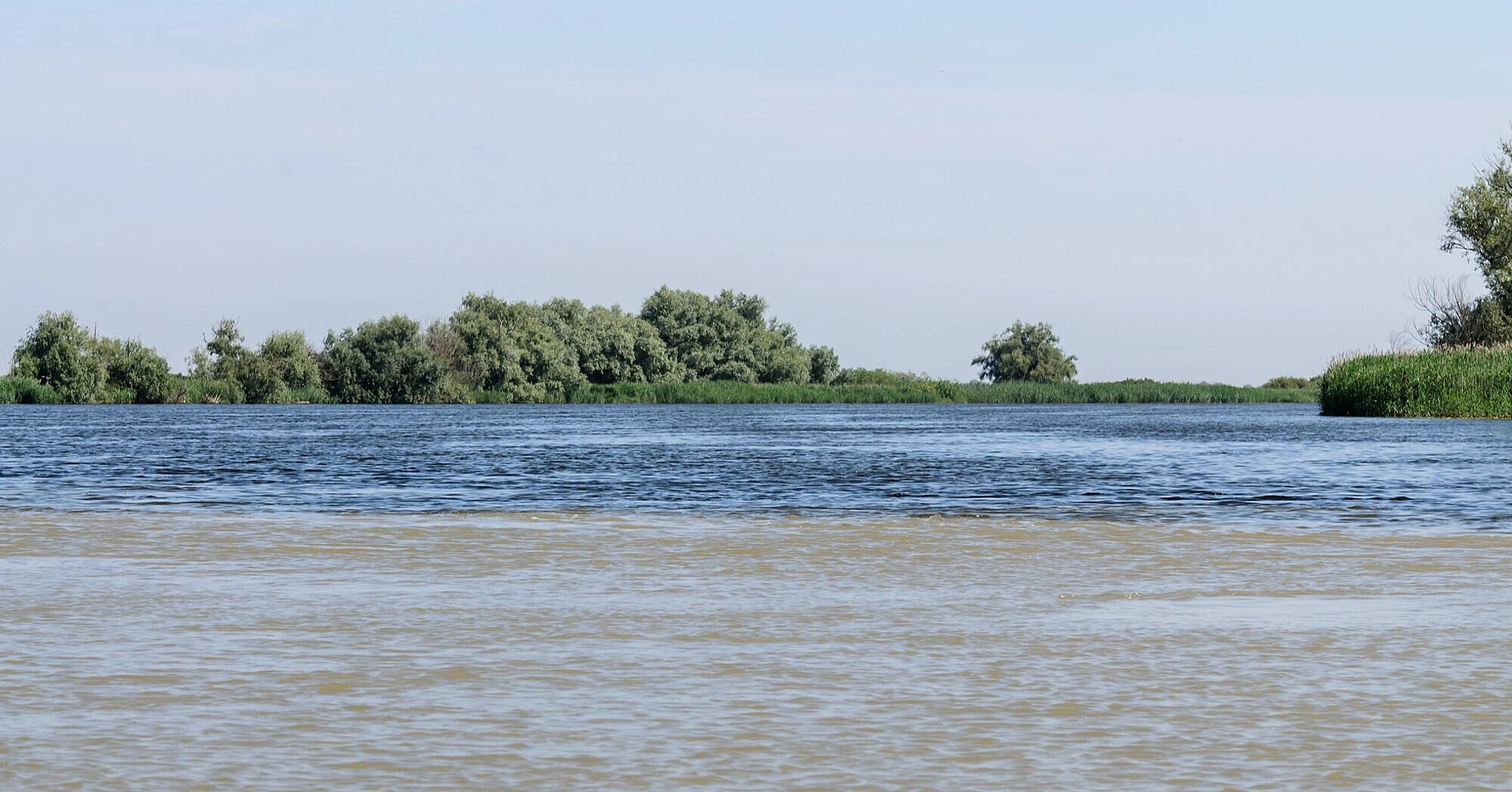
In the Sulina Canal, vessel clearance procedures for both upstream and downstream traffic have been changed. The new rules are intended to accelerate the passage of the fleet through one of the key routes to Ukrainian Danube ports, where ships can currently wait up to 17 days.
The changes were announced by Kateryna Kononenko, operations manager of the Romanian shipping agency Avalon Shipping. According to her data, as of September 21, about 70 vessels were at the Sulina anchorage, and seven more were already completing formalities directly at the anchorage.
The changes concern clearance procedures in Sulina and Tulcea for vessels going both upstream and downstream on the Danube. Their goal is to reduce the time required for formalities and increase the route's throughput capacity. The agency promised to publish the detailed conditions of the new procedures separately.
The most difficult situation remains for vessels heading to Ukrainian Danube ports. According to Avalon Shipping's estimate, the approximate waiting time for entry to Reni, Izmail, and Orlivka is 12-17 days.
For vessels going to Moldova's Giurgiulești, the waiting time is estimated at 3-6 days, and to Romania's Galați, Brăila, and Tulcea - 2-4 days.
The Romanian side has been changing the organization of controls in recent weeks, trying to reduce delays. In particular, in mid-September, clearance of all vessels began to be carried out directly at the Sulina anchorage. After the inspection, mainly those vessels that needed to replenish fresh water supplies were directed to the berth, while the rest could immediately continue along the canal.
The load on the route has recently increased sharply. The captain of the port of Tulcea, Iulian Dan Ichim, reported on September 18 that in one month, traffic through the Sulina Canal had doubled compared to the same period in 2025 - from about 200 to 400 vessels per month. To speed up inspections, two control teams can work simultaneously in Tulcea and Sulina.
According to him, the canal continues to operate, and the average traffic is about 20 vessels per day in both directions. A large number of vessels at the anchorage does not always mean a physical blockage of the canal itself: part of the fleet is waiting for transportation contracts, berth space, or permission to go to sea.
The order of vessel entry to Ukrainian ports is determined by the Ukrainian port administration depending on the cargo and the availability of a free berth. According to an agreement on capacity distribution, about 40% of daily traffic goes to Romania, 40% to Ukraine, and 20% to Moldova. The unused part of the quota can be transferred to vessels heading to Ukrainian ports.
In early September, congestion was already significantly affecting the cost of Ukrainian logistics. Due to the shortage of available fleet and long waiting times, freight rates for grain on short routes increased by about $10 per ton, and to Italy and Spain - by $20-25 per ton.
According to current data from Avalon Shipping, the maximum safe draft for passing through Sulina is 7.01 meters, through the Bystre mouth - 5.5 meters, and on the section from Izmail to mile 44 - about 6.75 meters.
Based on materials from: Avalon Shipping / Kateryna Kononenko, Radio România Constanța, Ukrainian Shipping Magazine
