
US discusses diesel export ban amid record prices
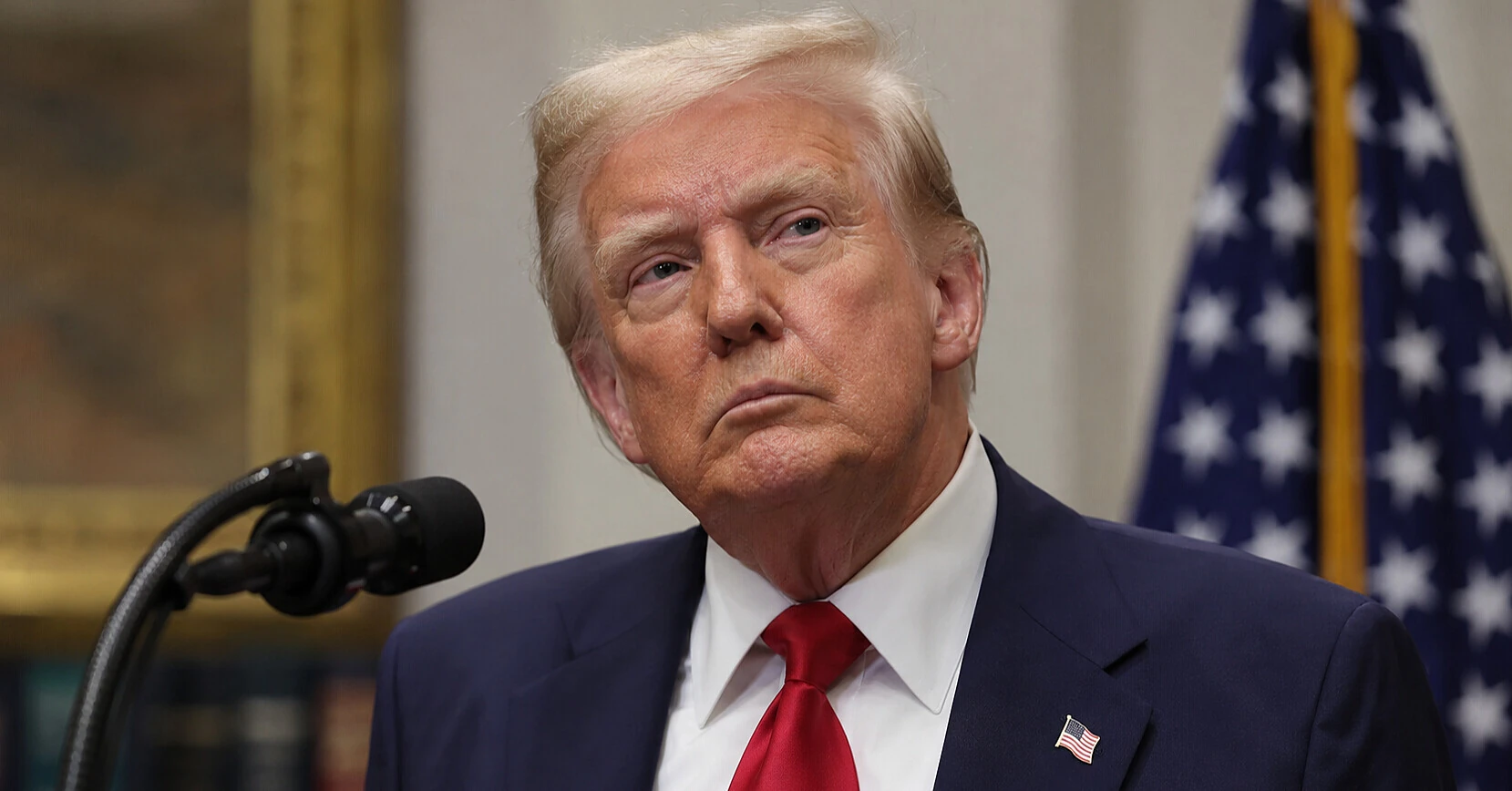
The administration of US President Donald Trump is discussing the possibility of temporarily halting diesel fuel exports for 90 days to increase domestic supply and lower record-high prices. Politico reports on the preparation of such a plan, citing five sources familiar with the discussions.
According to the publication, the legal mechanism for imposing restrictions is still being developed, and no final decision has been made. Serious disagreements remain within the administration: some officials oppose the ban, as do American oil refining companies. One Politico source claims that Trump is leaning toward announcing the measure before the end of the week.
However, after the article was published, a White House representative called the report about a specifically 90-day ban "fake news." This does not change the fact that the very possibility of an export restriction is officially under discussion: a day earlier, Trump publicly stated that he supports the idea of reducing foreign diesel supplies.
"I said: let's not send diesel. We produce a lot of diesel," the president said on September 22 in New York before a meeting with Volodymyr Zelensky.
US Treasury Secretary Scott Bessent confirmed at the same time that the administration is studying how feasible a full or partial ban would be and how it would affect the refining industry.
The discussion gained momentum due to fuel prices. According to AAA, on September 23, the average diesel price in the US was about $6.52 per gallon, compared to roughly $3.69 a year earlier. Diesel is used in trucking, agriculture, construction, and industry, so its rise in price increases costs for a wide range of sectors.
The idea of temporarily cutting off exports is being actively promoted by some Republicans from agricultural states. They hope that fuel currently shipped abroad will remain on the American market and increase supply ahead of the November midterm elections.
However, the oil industry warns of the opposite effect. If US refineries lose the ability to sell a significant portion of their output on the world market, they may reduce refining volumes. As a result, the initial drop in domestic prices could be short-lived, and later shortages and prices could rise again.
The scale of potential impact on the world market is significant. According to the latest weekly data from the US Energy Information Administration, the country exported about 1.6 million barrels of distillates per day. In early 2026, diesel shipments to Europe grew especially fast: in January they more than doubled compared to last year, from 167,000 to 396,000 barrels per day.
Thus, American restrictions could create an additional deficit in Europe. After the Politico report, US diesel futures fell sharply, while European gasoil prices rose as traders began to price in the risk of supply cuts from the US.
The US Energy Information Administration had already noted in its September forecast that the global distillate market remains tight due to reduced supply from the Middle East, Russia, and China, and high world prices are prompting US refineries to increase exports. Therefore, a ban on US supplies would be a significant intervention in established global fuel flows.
As of now, the 90-day ban has not been officially introduced. All that is confirmed is that Trump supports the idea of export restrictions, and his administration is studying full and partial options. The White House disputes Politico's report about a specific 90-day plan.
