
Oil prices soar 20% in a month due to war with Iran and blockades
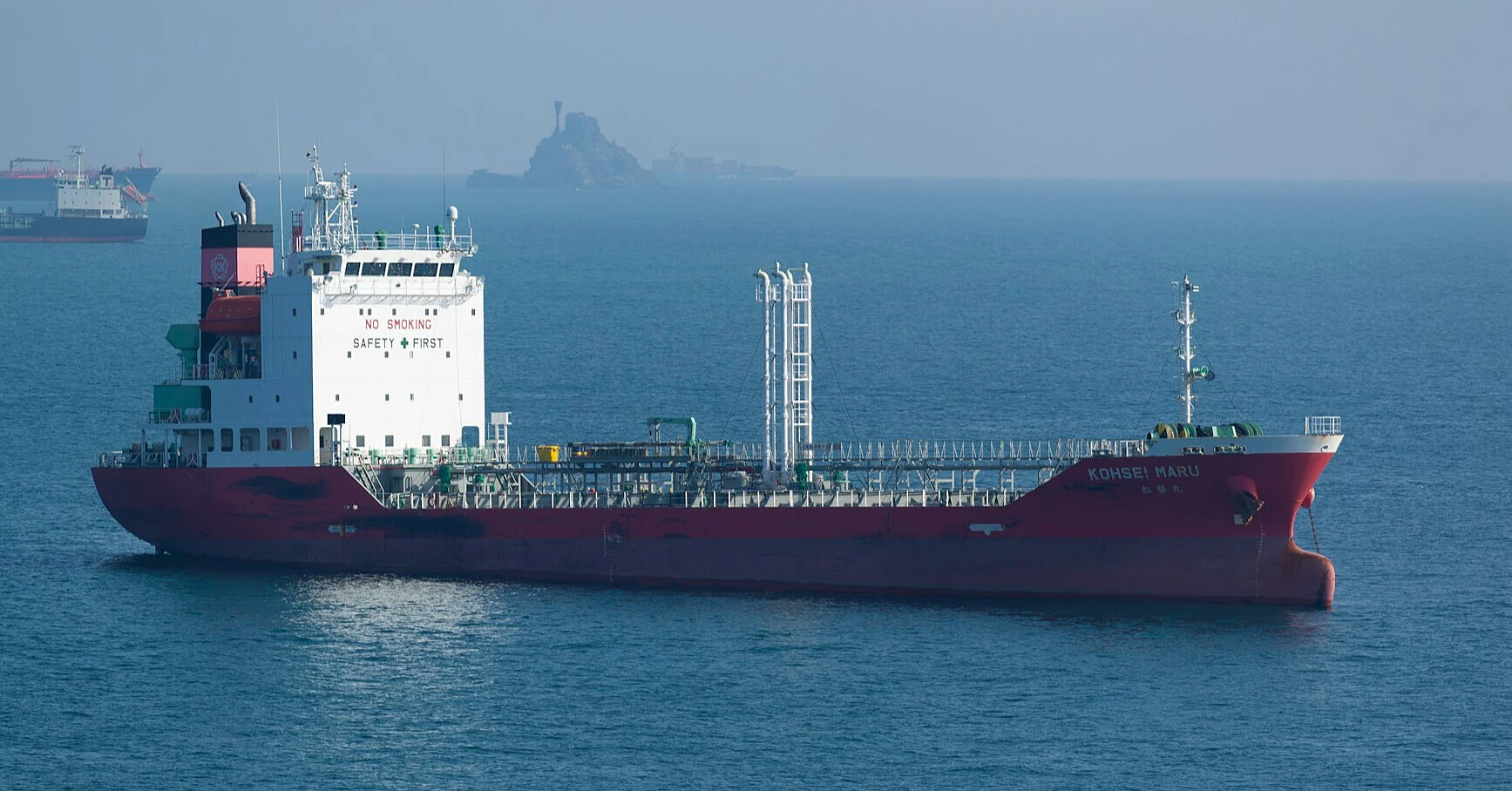
Global oil prices are ending July with their biggest monthly gain since March. The benchmark Brent crude rose by about 20% over the month amid the war between the US and Iran, attacks on oil infrastructure, and threats to key maritime routes.
On Friday, July 31, prices slightly declined: Brent was trading below $88 per barrel, while US West Texas Intermediate was near $82. During the week, Brent quotes fluctuated in a range of about $11, reflecting high market uncertainty.
Pressure on prices eased somewhat due to a partial resumption of shipping through the Strait of Hormuz, which normally accounts for a significant portion of global oil supplies. Meanwhile, the US and Iran continued exchanging strikes, so traders are not ruling out new supply disruptions.
An additional threat to the oil market was the situation in the Red Sea. Yemen's Houthis, backed by Iran, declared a blockade of ships linked to Saudi Arabia and claimed attacks on tankers and the kingdom's oil facilities.
Saudi Arabia has started discussing with other nations the creation of an international coalition to protect shipping in the Red Sea. At the same time, Houthi leader Abdul Malik al-Houthi warned that possible wider involvement of Riyadh in the conflict would lead to an escalation of attacks.
The threat near the Bab el-Mandeb strait is already forcing Saudi Arabia to reroute exports. Six Saudi oil tankers have moved away from the southern exit of the Red Sea and, judging by navigation data, may embark on a rare voyage around Africa.
Two empty very large crude carriers, Hazm and Dilam, have indicated Gibraltar as their next destination. Four other vessels - Ghinah, Laynah, Salam, and Burqan - are heading towards the South African ports of Durban or Algoa Bay.
The detour around Africa avoids the dangerous Bab el-Mandeb strait but significantly increases the duration and cost of shipping. For some deliveries to Asia, the route could be extended by several weeks, and shipping companies will have to spend more fuel and use tankers longer.
Previously, Saudi Arabia had more actively used the Red Sea as an alternative to the Strait of Hormuz, where traffic had declined due to the war with Iran. Now, two crucial export routes for Middle Eastern oil - the Strait of Hormuz and the Bab el-Mandeb strait - are simultaneously under threat.
Future price dynamics will depend on the intensity of hostilities and shipping safety. The resumption of tanker movements could reduce the geopolitical premium on oil prices, while new attacks or a prolonged blockade could again trigger sharp price increases.
Materials from: Bloomberg, Bloomberg, Al Jazeera
