
The smallest passenger Boeing enters the market after a lengthy certification
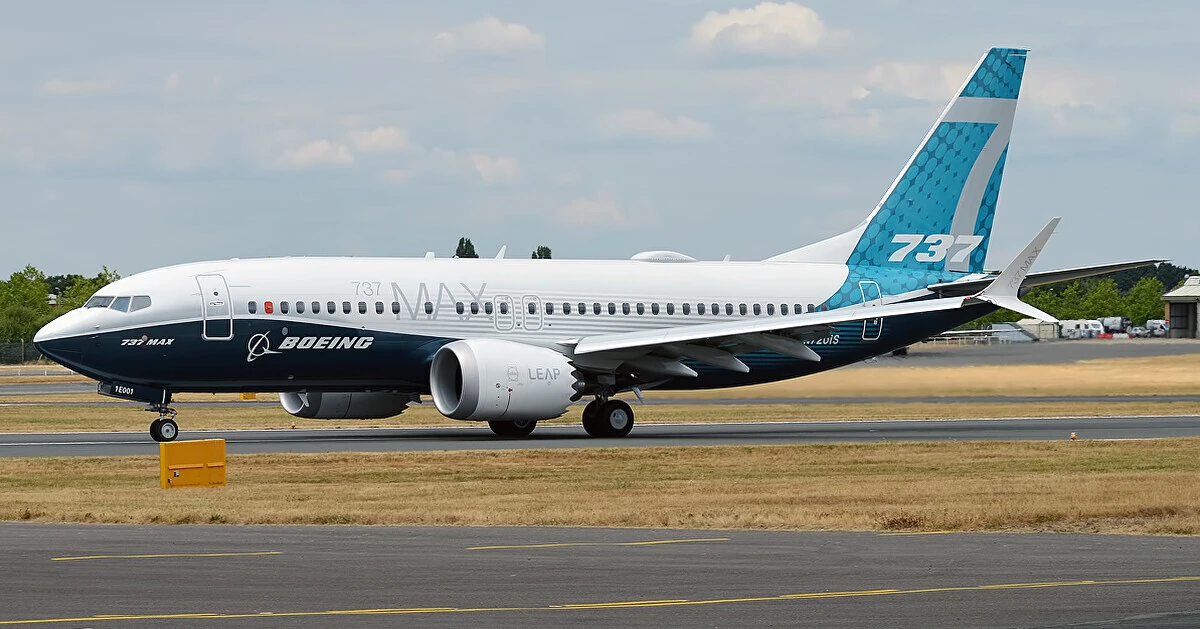
The US Federal Aviation Administration has certified the Boeing 737 Max 7, clearing the smallest model in the 737 Max family for commercial service. The decision was made on August 3 after several years of testing, inspections, and refinements to the aircraft.
Boeing originally expected to bring the 737 Max 7 to market back in 2019. However, certification was delayed after two crashes of the 737 Max 8 in 2018 and 2019, which killed 346 people. Following the accidents, the US regulator intensified inspections of Boeing's design, software, and manufacturing processes.
Before issuing the certificate, the FAA required the manufacturer to update the flight control system software, improve cockpit alerts for pilots, and modify the engine anti-ice system to prevent overheating.
The regulator stated that it will continue its enhanced oversight of Boeing even after certification of the new model. Inspectors will monitor aircraft production, the safety management system, and compliance with quality requirements at the company's facilities.
The Boeing 737 Max 7 seats approximately 135-160 passengers, depending on cabin configuration. The aircraft is primarily intended for short- and medium-haul routes. As of the end of June, Boeing had 282 unfilled orders for this model, and its first major operator is expected to be the US-based Southwest Airlines.
Type certification clears the way for aircraft deliveries to airlines, but each built aircraft must separately obtain an airworthiness certificate before carrying passengers.
In the wake of the FAA decision, Boeing shares rose about 8% on August 3. Investors regarded the certification as an important step in the company's recovery after years of safety issues, production quality problems, and delays to new models.
Now Boeing awaits certification of the 737 Max 10, the largest model in the family. The company hopes to receive the corresponding approval by the end of 2026, but final timelines will depend on the completion of FAA checks.
Based on materials from: UPI, Boeing and The Wall Street Journal
