
FT: Russia ramps up "shadow fleet" of LNG tankers ahead of EU ban
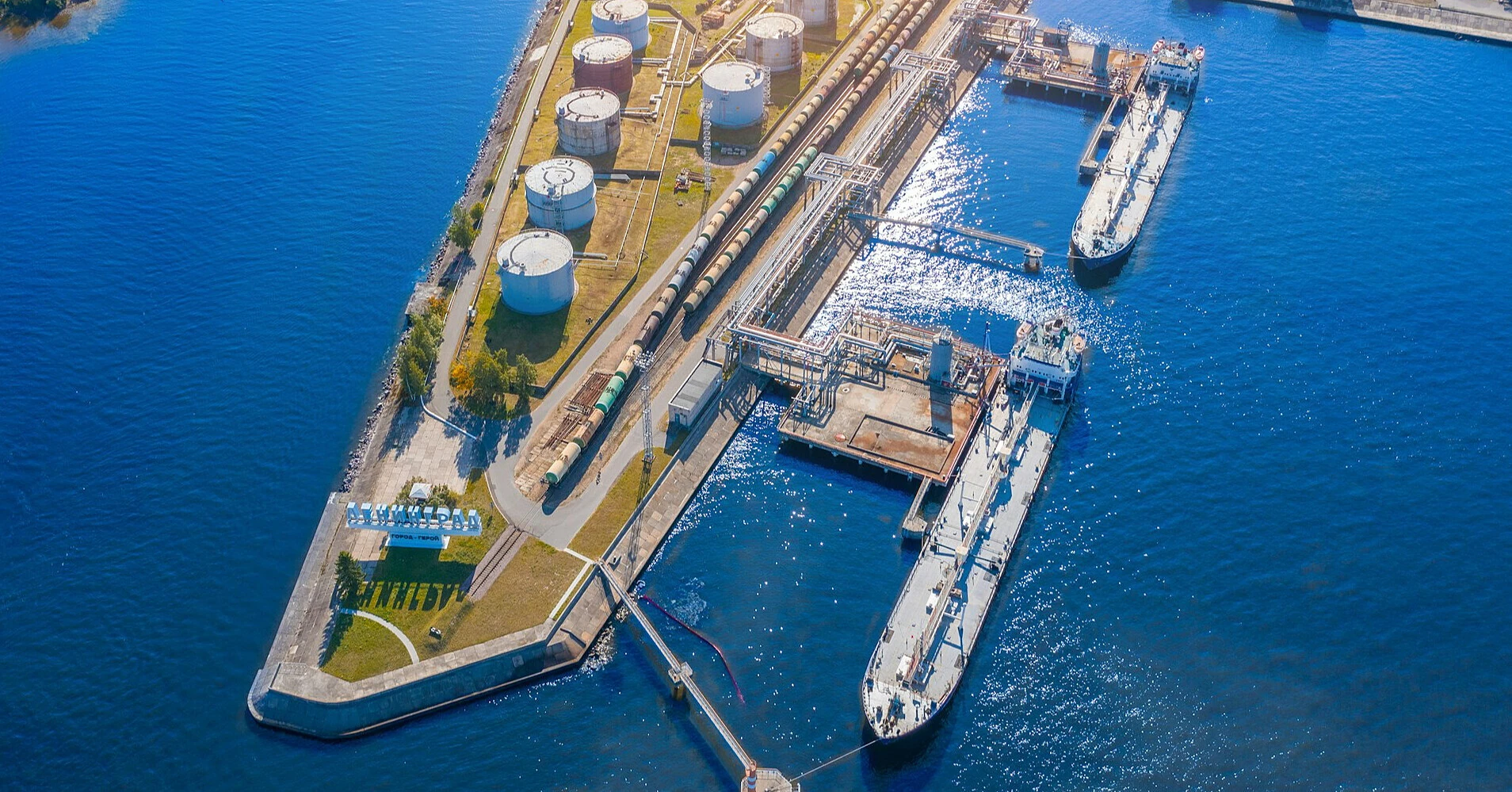
Over the past six months, Russia has expanded its shadow fleet with at least eight used tankers for transporting liquefied natural gas. Together with the first vessels built in the RF, the number of these gas carriers has grown to 25.
This is reported by the Financial Times citing data from analytical companies Windward and Kpler. Moscow is preparing to maintain its maritime gas exports after the European Union fully bans the import of Russian LNG under long-term contracts from January 1, 2027.
Russia is attempting to apply the same scheme it already uses for oil exports: vessels are registered to companies linked to the RF in Dubai, Hong Kong, and Singapore, flagged under convenient flags, with tracking signals turned off or distorted, and carried gas transshipped between tankers to hide its origin.
At least four recently acquired gas carriers have already transported products from terminals handling sanctioned Russian LNG. The vessels shifted to the RF flag and received new names - Kosmos, Orion, Merkuriy and Luch.
Russia has also built its first two domestic LNG tankers at the Far Eastern Zvezda shipyard. Since December, Aleksey Kosygin has been transporting cargoes from the Arctic LNG 2 plant, and the second vessel was named Konstantin Posiet. Four more gas carriers are under construction at Zvezda, while six ice-class vessels remain blocked at the Hanwha shipyard in South Korea due to sanctions.
The only buyer of sanctioned products from Arctic LNG 2 remains China. Gas from the Russian Arctic is transported by 11 tankers, which transship it to conventional vessels at floating storage units for further transportation to Chinese ports. All these gas carriers are under US sanctions.
Creating a full-fledged shadow fleet for LNG is more difficult than for oil. A new gas carrier costs around $300 million and requires special systems that maintain the gas temperature at around minus 162 degrees. Ice-class vessels are also necessary for operations in the Arctic.
An additional problem for Russia may be dependence on the French company GTT, which effectively dominates the LNG storage system market and has ceased work on Russian contracts. Because of this, Moscow is likely to continue buying up old vessels on the secondary market.
Belgium remains one of the main European destinations for Russian LNG. According to the Institute for Energy Economics and Financial Analysis, in the first quarter of 2026 it was the only European country where Russia remained the largest supplier of liquefied gas. Over the year, Russian supplies to Belgium increased by 23%.
Recall that last month Belgium became fully dependent on Russian liquefied gas due to lack of supply caused by disrupted shipments from the Middle East.
Materials: Financial Times, IEEFA, EU Council
