
Iran War Made Belgium Completely Dependent on Russian LNG
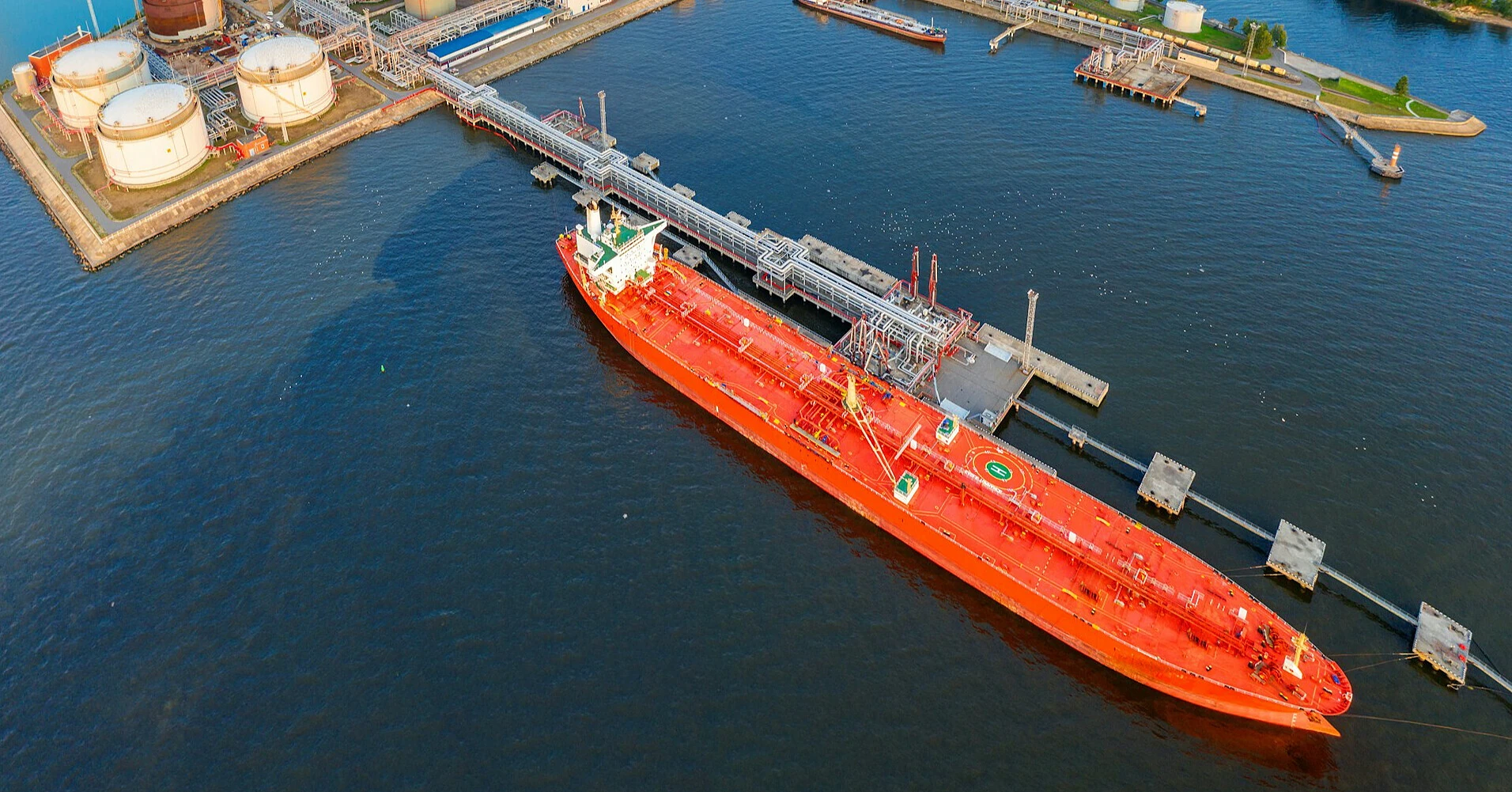
In July, all cargoes of liquefied natural gas delivered to Belgium by sea came from Russia. This situation was caused by disruptions in the global LNG market due to the war with Iran and interruptions of supplies from the Persian Gulf.
According to Bloomberg, during July, Belgium received not a single LNG cargo from other countries. This pertains specifically to imports of liquefied gas, not the country's entire gas supply: Belgium is also connected to the European pipeline network.
One of the main reasons was the halt and restriction of exports from Qatar – one of the world's largest LNG suppliers. The war with Iran complicated shipping through the Strait of Hormuz, through which a significant portion of global liquefied gas supplies normally passes. QatarEnergy continued to cancel some scheduled deliveries and extended the force majeure for buyers.
Against this backdrop, Russian gas from the Yamal LNG project remained one of the few stably available sources for the Belgian terminal in Zeebrugge. In the first half of 2026, Belgium received 37 Russian cargoes with a total volume of about 2.7 million tonnes. Zeebrugge became the largest single terminal for receiving gas from Yamal LNG.
In total, for January–June, EU countries received 9.97 million tonnes of LNG from the Russian project – 16% more than the year before. European ports received 136 out of 140 shipped cargoes, that is over 97% of Yamal LNG's exports.
At the same time, gas arriving at Zeebrugge does not mean that the entire volume is consumed directly in Belgium. The terminal is a major European gas hub through which fuel can enter the gas transmission systems of other countries.
The European Union has already banned imports of Russian LNG under short-term contracts, but deliveries under existing long-term agreements can continue until early 2027. Therefore, Russian gas still legally arrives at the ports of Belgium, France, Spain, and the Netherlands.
Based on materials from: Bloomberg
