
Global Food Prices Reach Three-Year High
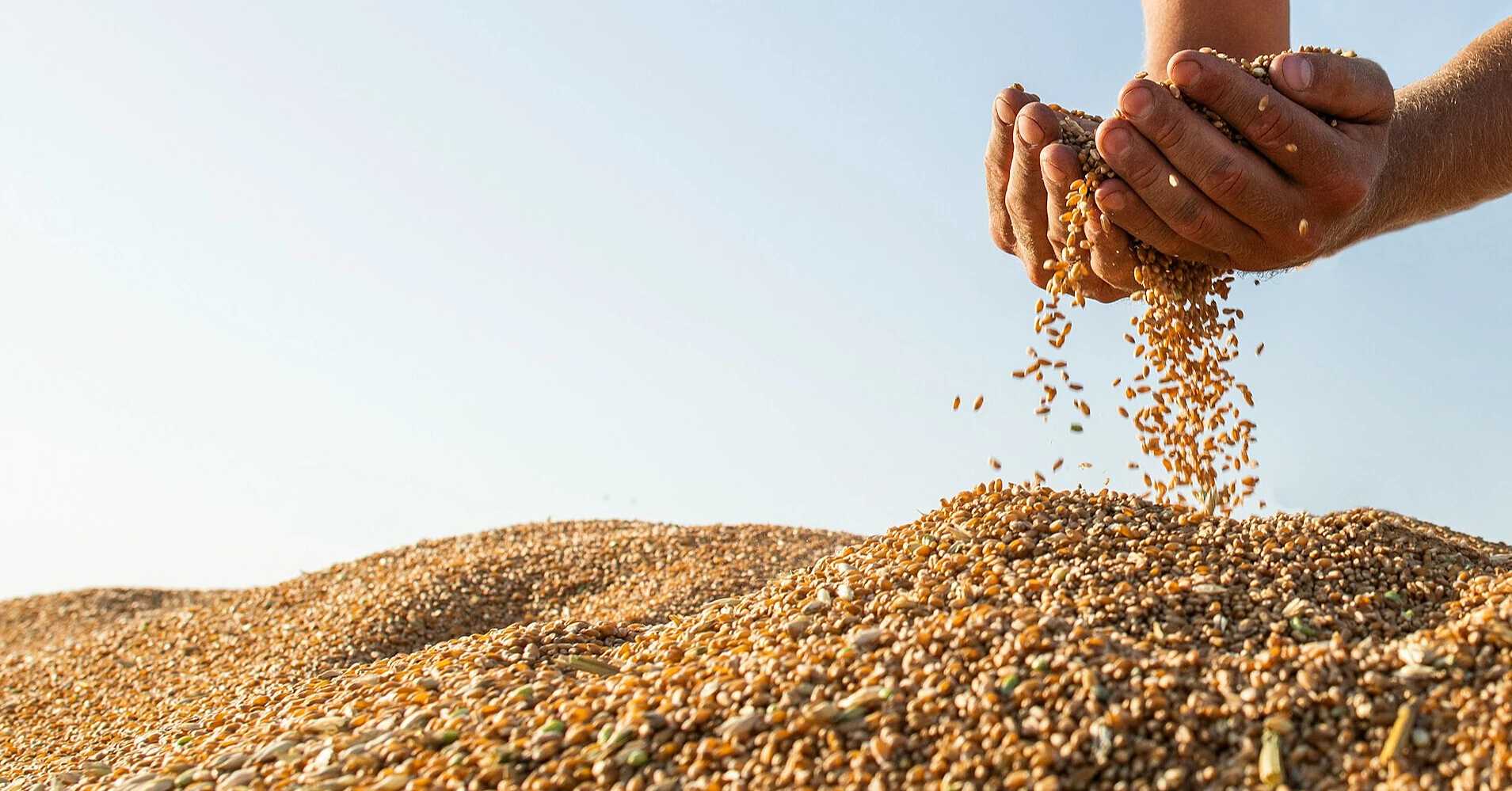
Global food commodity prices rose to their highest level in three years in July. Increases in cereals, sugar, and vegetable oils outweighed declines in meat and dairy products.
The FAO Food Price Index, which tracks international quotations for major food commodities, rose to 131.1 points. This is 0.6% higher than in June and approximately 1% above the level of July last year.
Cereals became notably more expensive, with the grain index rising by 3.4%. Global wheat prices climbed 5.8%, and corn prices rose by 3.6%.
Wheat became more expensive due to hot weather in key producing countries and supply risks in the Black Sea region. Corn prices were impacted by concerns over heat and drought in the American "corn belt", as well as higher energy prices.
Sugar prices rose by 5.6% over the month. Reasons include heat and drought in Europe, risks associated with the strengthening El Niño in Asia, and increased demand for sugarcane for ethanol production in Brazil.
The vegetable oil price index rose by 2% due to higher prices for palm and soybean oils. Their quotations were supported by demand from biofuel producers and high crude oil prices. Concurrently, sunflower and rapeseed oils became cheaper.
In contrast, world meat prices fell by 2.8% after a June high. Dairy products decreased in price by 0.7%, although cheese prices continued to rise due to limited milk supply in the European Union.
The global food market is under simultaneous pressure from extreme weather conditions, war risks, logistical disruptions, and rising energy and fertilizer costs. This creates the risk of further increases in the price of agricultural products and food.
Based on materials from: Food and Agriculture Organization of the UN (FAO), The Guardian
