Russia is meeting and exceeding production plans for major missile types, so a prolonged pause in shelling of Ukraine should not be expected. In autumn and winter, electricity and heating supply facilities may again become some of the main targets of Russian attacks.
Deputy Chief of the Main Intelligence Directorate of the Ministry of Defense of Ukraine, Major General Vadym Skibitskyi, said this in an interview with RBC-Ukraine.
According to military intelligence, Russian enterprises are currently meeting monthly production plans for main types of missile weapons at 110-120%. For certain items, the figures are significantly higher.
In particular, in July, the production plan for Kh-101 cruise missiles was fulfilled at 140%: instead of the planned 72 units, Russia produced 87. The enterprises also manufactured 29 Kalibr missiles against a plan of 26 units, and production of Kh-35 cruise missiles reached 200% of the planned amount.
As of August 3, Russia had already fulfilled the annual plan for the production of Tsirkon and modernized Onyx missiles. Over seven months, 33 Tsirkon and 60 Onyx missiles were produced.
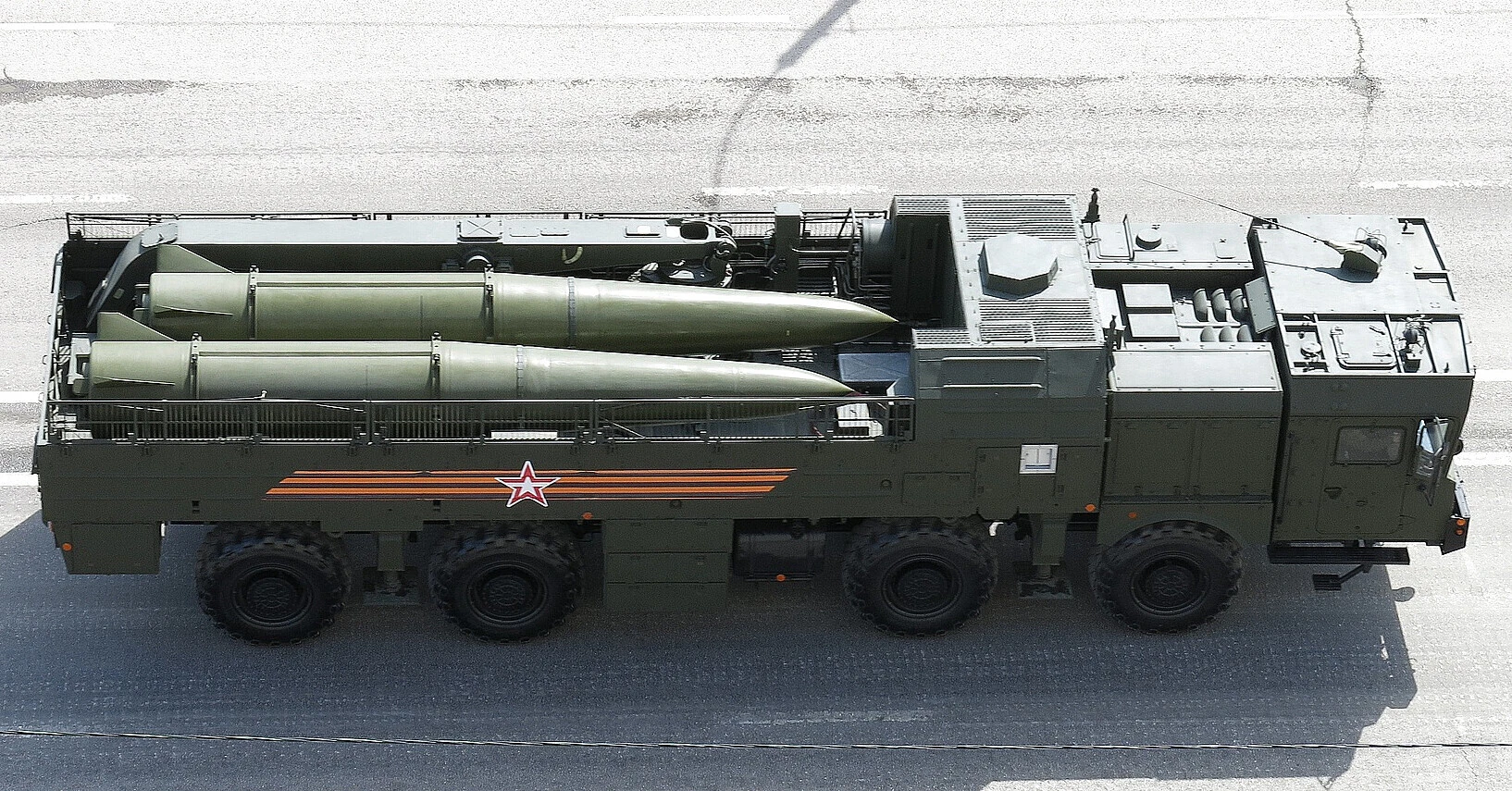
According to GUR estimates, as of August 5, the Russian troop grouping had about 130 9M723 ballistic missiles for Iskander-M systems. The monthly production plan is 60 units, but in July Russian enterprises produced 65 such missiles.
The estimated stockpile of PM-48U missiles, launched from S-400 systems against ground targets, is about 400 units. In August, Russia plans to manufacture approximately 40 more such missiles.
Additionally, North Korea previously transferred about 100 KN-23 missiles to Russia. Moscow recently received another 40 North Korean KN-23 and KN-24 missiles. According to Skibitskyi, North Korea is using the war against Ukraine to test its developments in combat conditions and further improve them.
Russia has managed to increase the production of ballistic missiles, in particular, by halting the production of Kinzhal and Kh-32 missiles since April. Moscow redirected the fuel, money, and components intended for these programs towards the manufacturing of other missiles that it considers more accurate and effective.
The intensity of Russian strikes began growing back in April. Then, Russia used 61 ballistic missiles, in May — 107, in June — 134. In July, Russian forces launched 153 cruise and 198 ballistic and hypersonic missiles at Ukraine. The latter figure became the highest since the beginning of the year.
Skibitskyi suggested that Russia may further reduce the number of missiles aimed at one target, but it is unlikely to completely halt attacks in order to accumulate stockpiles. The intensity of shelling will primarily depend on the ability of Russia's military-industrial complex to maintain current production rates.
The main targets for Russia remain the enterprises of Ukraine's defense-industrial complex, railway and port logistics, shipping, and energy facilities on which the operation of transport infrastructure depends.
According to the GUR representative, during the winter period Russia will again focus strikes on electricity and heating supply systems. At the same time, Moscow uses attacks on civilian objects to intimidate the population, spread panic, and attempt to destabilize the situation in Ukraine.
Russia is also increasing the production of attack drones. The August plan envisages the manufacture of 11,000 UAVs of various types. Currently, Russian enterprises are retooling production lines, emphasizing turbojet-driven drones Geran-4 and Geran-5.