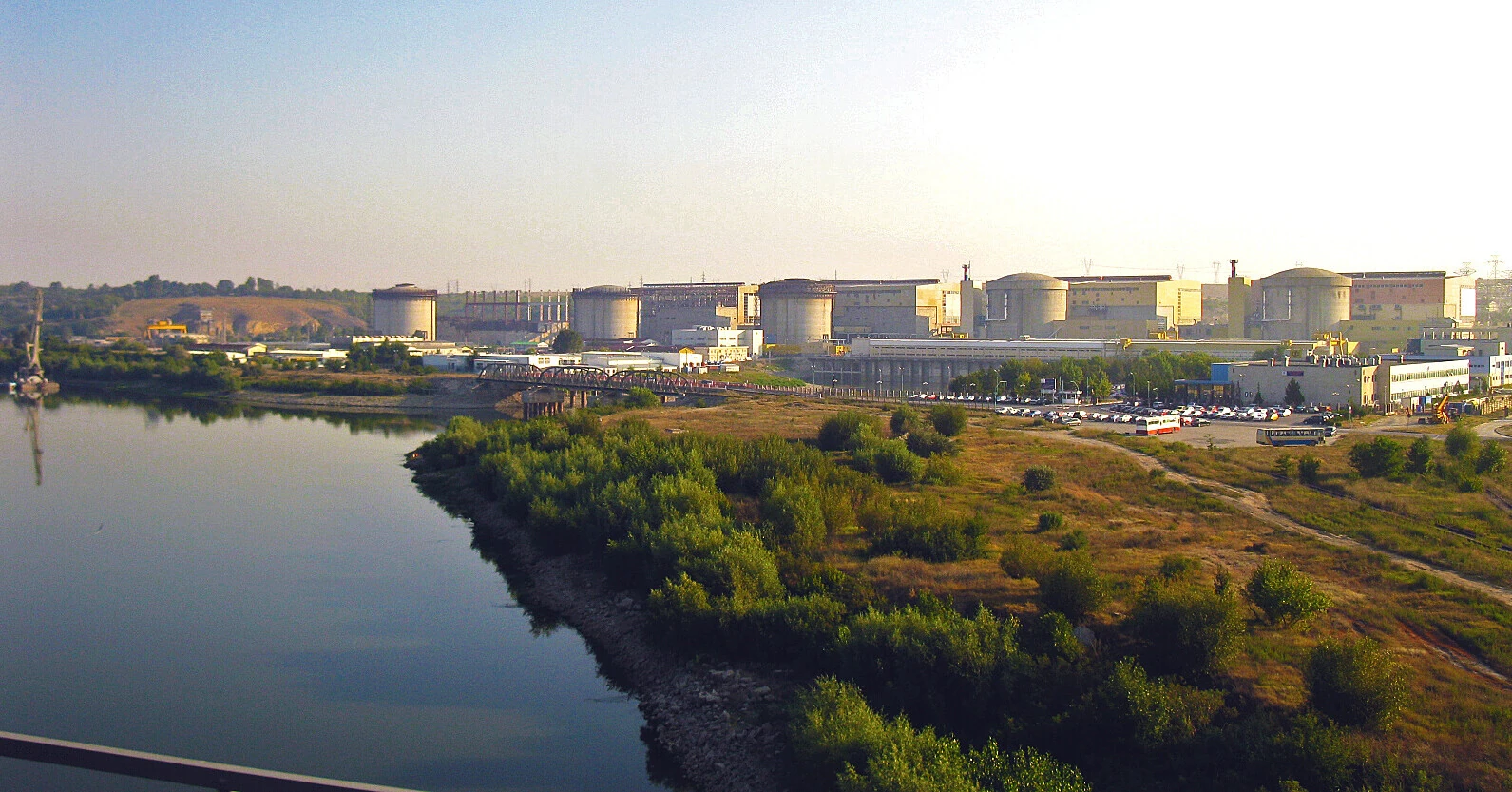
Romania's only nuclear power plant, Cernavoda, has completely stopped producing electricity due to critically low water levels in the Danube. The plant's second reactor was disconnected from the grid on August 13, about two weeks after the first was shut down. As a result, the country lost a source that typically provides about a fifth of its electricity needs.
Earlier it was reported that preparations were underway for a full shutdown of the plant due to the Danube's shallowing. Now both power units are no longer operating. A similar situation for Romanian nuclear generation last occurred during a severe heatwave in 2003, when the plant had only one operating reactor.
Before the shutdown, authorities and the operator tried to maintain the necessary water level for cooling the reactors. To do this, they carried out dredging operations, altered the flow channel, and implemented other emergency measures. According to Le Monde, these efforts cost more than 2 million euros but only delayed the complete shutdown of the plant.
Restart of the nuclear plant may take time
Romanian authorities do not yet expect a quick return of nuclear generation. According to the State Secretary of the Ministry of Energy, Cristian Buşoi, hydrological forecasts indicate that for approximately the next 10 days there will likely still be insufficient water to resume plant operations.
The government has called on the population and businesses to use electricity more sparingly, especially in the evening hours. It is then that production from solar power plants drops sharply, while demand remains high due to heat and air conditioning use. Large industrial consumers have also been asked to reduce loads in the evening.
Romania imports electricity from Ukraine
The country is compensating for the generation deficit with renewable sources and electricity imports. Imported supplies become especially important in the evening. Electricity comes, in particular, from Bulgaria and Ukraine, which operates synchronously with the European energy system.
During the day, the situation is partially eased by solar and wind power plants. At certain hours, solar generation covered up to 40% of the country's needs, and wind about 20%. However, such generation depends on weather conditions and cannot fully compensate for the loss of two nuclear power units over the course of a day.
Due to the energy situation, Romania has also informed the European Commission that it will not close two coal-fired power plants at the end of August, as previously planned. Additionally, on August 13, a backup power unit in Rovinari was brought back into operation. At the same time, the drought is also causing problems for thermal and hydroelectric power, as they also depend on water supplies.
So far, the nuclear plant shutdown has not led to higher bills for consumers. The Ministry of Energy believes that the consequences of a ten-day or two-week downtime can be compensated for within a year. However, if the shutdown is longer, authorities already allow for an increase in electricity prices.
The problems at Cernavoda are part of a broader energy crisis caused by heat and drought in Europe. Low river levels or high water temperatures have already forced the shutdown or restriction of some nuclear and thermal power units in France, Hungary, Slovenia, and other countries.