
Ukrainians get access to foreign stocks for hryvnia: how it will work
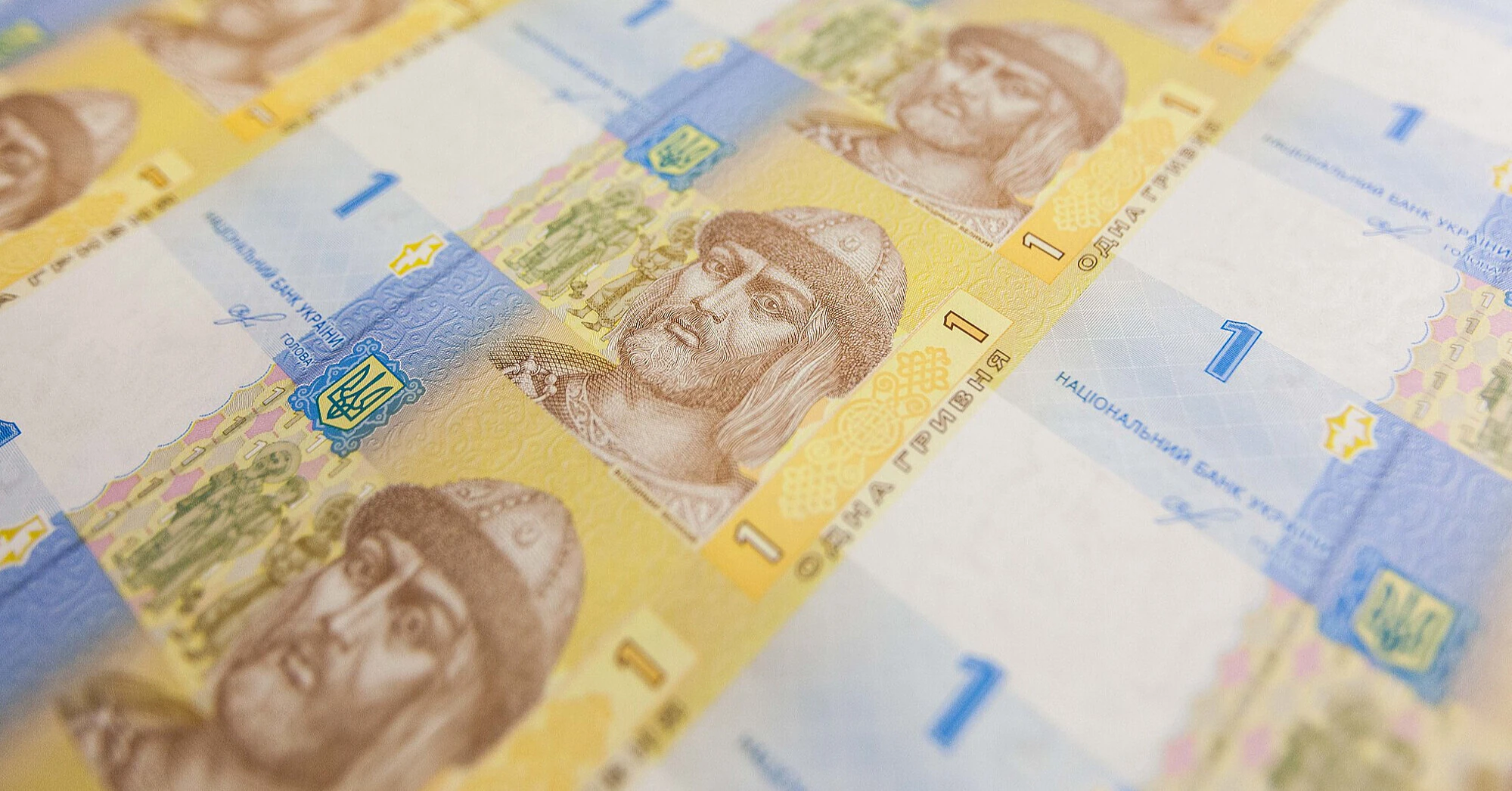
Ukrainians have received the opportunity to use hryvnia to purchase foreign stocks and exchange-traded funds within the country. This possibility appeared after another easing of currency restrictions by the National Bank, but it is not yet possible to buy any securities of global companies in a banking app.
From August 11, the NBU increased the monthly limit for purchasing non-cash currency from 50,000 to 200,000 hryvnias. Within this same limit, individuals were allowed to buy non-cash bank metals and securities of foreign issuers.
This means that a client can pay in hryvnia, and the bank will handle the currency part of the transaction. However, it is a combined limit: amounts spent on currency, metals, and foreign securities will be counted together.
The founder of Gonzo Invest, Pavlo Boiko, in a commentary to Forbes Ukraine called the decision a de facto opening for Ukrainians of the opportunity to invest in foreign currency securities for hryvnia within the country.
Why stocks won't appear in all banks immediately
The NBU's decision creates a regulatory possibility, but not a ready mass product. Banks still need to form a list of securities, organize their delivery to Ukraine, set up depository accounting, determine tariffs, and add operations to their systems.
At the first stage, the currency channel is available precisely to banks. Investment firms and brokers may participate in domestic transactions or cooperate with banks, but they cannot independently use the new mechanism to send hryvnia abroad.
Therefore, the new rules should not be perceived as the restoration of free transfers of funds to foreign brokers. A Ukrainian does not get the right to buy currency and send it to a foreign brokerage account. It is about purchasing securities that are already entered into the Ukrainian depository system and offered by a local licensed participant.
What securities can be purchased
A foreign security must be admitted to circulation in Ukraine by the National Securities and Stock Market Commission. After that, it can be accounted for in the Ukrainian depository system through the account of the National Depository in the international institution Clearstream.
Simply put, stocks or fund units must first be electronically "brought" into Ukraine. Only after the securities are credited to the depository system can a bank or other licensed participant sell them to a client for hryvnia.
In early August, the NSSMC admitted to circulation in Ukraine the securities of five more European ETFs registered in Germany and Ireland. However, at the time of the announcement, none of these issues was yet accounted for in the Central Depository system.
This example shows the difference between legal admission and actual availability. Even if the Commission has allowed the circulation of a certain fund or stock, someone among market participants must purchase the securities abroad, transfer them to the Ukrainian depository account, and form an offer for retail clients.
How the purchase might look
The practical model will depend on the specific bank. The client will likely need a hryvnia account, a securities account, and pass standard identification. After submitting an order, the bank or its brokerage partner will sell the available securities, and the ownership will be reflected in the investor's depository account.
Settlement for the client will be in hryvnia. The price will depend not only on the exchange value of the stock or ETF but also on the currency exchange rate, commissions, depository service costs, and the seller's markup.
Liquidity will also be an important issue. If there are few buyers and sellers on the domestic market, the spread between buy and sell prices may be significantly larger than on a foreign exchange. The investor should find out in advance whether they can quickly sell the securities and how much such an operation will cost.
What to check before buying
- whether the bank or broker has the necessary licenses;
- whether the specific security is admitted to circulation in Ukraine;
- where the ownership right to it will be recorded;
- what commissions apply for buying, selling, and storage;
- how the bank determines the currency exchange rate and the security price;
- whether it is possible to transfer assets to another depository institution;
- how dividends will be paid and taxes accounted;
- on what terms the bank will buy the securities back.
What risks remain
Paying in hryvnia does not eliminate currency risk. The value of a foreign stock for a Ukrainian investor will depend simultaneously on its market price and the exchange rate of the corresponding currency to the hryvnia.
Stocks and ETFs also do not guarantee profit. Their value may decrease, and dividend payments depend on the issuer's decisions. Income from securities transactions is subject to taxation, so the client needs to clarify whether the financial institution will act as a tax agent and what income they will have to declare independently.
The new NBU rules create the basis for the emergence of a full-fledged domestic market for foreign securities in Ukraine. However, its scale will depend on the activity of banks, the number of securities brought into the country, commissions, and demand from the population. Therefore, some time may pass between the regulatory permission and the mass appearance of global stocks in apps.
Based on materials: National Bank of Ukraine, NSSMC, Forbes Ukraine
