

The U.S. is increasing its purchases of government debt: the market reacted with a drop in the dollar
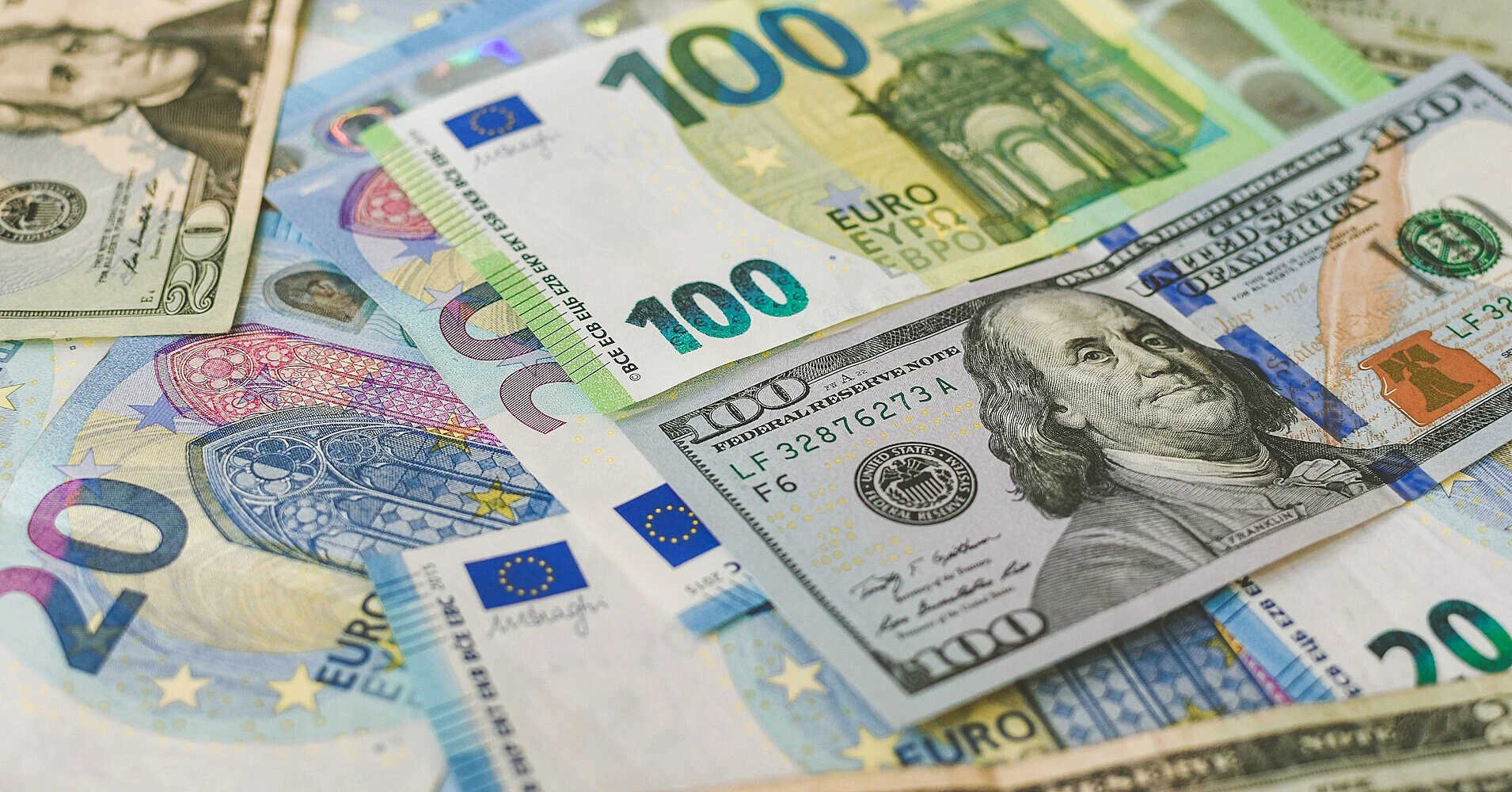
Yesterday's decision by the US Treasury was one of the main events in global financial markets. It was not a new change in tax or trade policy, but an unexpected increase in the volume of reverse purchases of long-term US government bonds. The reaction of financial markets was quite noticeable: Treasuries yields fell, the dollar weakened sharply, and the euro made one of the strongest moves in recent weeks.
For the forex market, this is especially important because what happened touched one of the key factors determining the attractiveness of the American currency — the difference between yields on American and European assets.
Already on the morning of August 20, EUR/USD is around the 1.1683 dollar mark. A day earlier, the pair had risen by about 0.9%, reaching 1.1679 dollars per euro. Over the past month, the euro has strengthened against the dollar by about 2.4%.
What Exactly Did the US Treasury Do
On August 19, the US Treasury announced that starting September 9 it will increase the volume of operations to buy back long-term government bonds. Previously, these operations amounted to about $2 billion per month, but now they will be at least doubled — to $4 billion per month for securities with maturities of approximately 10 to 30 years. Formally, this is not the launch of a new quantitative easing program and does not mean that the Federal Reserve has begun buying government debt. The buyer is the Treasury itself.
But for the market the key point is different: the government has demonstrated readiness to actively support liquidity in the segment of long-term Treasuries at a time when their yields have risen sharply.
That was the cause of such a strong reaction from investors.
Why Did the US Need to Support the Bond Market at All
In recent weeks, the American government bond market has been under serious pressure. Investors demanded higher yields on long-term bonds due to a combination of several factors: - high US government debt; - significant budget spending; - inflation risks; - rising energy prices; - geopolitical uncertainty; - concerns about the future volume of government borrowing.
Pressure was especially strong at the long end of the yield curve.
Before the Treasury's announcement, the yield on 30-year Treasuries had risen to about 5.34% — the highest level in almost two decades. After the announcement of the buyback program expansion, it dropped to about 5.18%. The yield on 10-year securities also fell — to about 4.66%.
For the Treasury, such a situation is potentially extremely unpleasant. The higher the yield on US bonds, the more expensive it is for the government to service its debt. Therefore, the Treasury's task is not only to finance the budget deficit, but also to maintain normal functioning of the Treasuries market.
That is why yesterday's decision was perceived by many market participants as a signal: Washington is not ready to passively watch further growth in long-term rates.
Why the Dollar Suffered So Much
At first glance, the situation looks paradoxical. US bond yields fell — meaning American assets became less attractive. At the same time, the market received additional liquidity. As a result, some capital began to leave dollar instruments.
This was reflected in currency dynamics. The dollar index DXY fell sharply yesterday by about 80 basis points, dropping to around 98.85 — the lowest level since late May. Today, the dollar remains under pressure. Reuters notes that the American currency is holding near three-month lows, while the euro has risen to 1.1683 — a high since May.
So the market effectively reacted to the Treasury's decision as follows:
buyback of long-term Treasuries → lower bond yields → reduced dollar attractiveness → EUR/USD rise.
This is a simplified model, but it describes yesterday's reaction quite well.