
Turkey accelerated negotiations with Ukraine and Russia over Black Sea shipping crisis
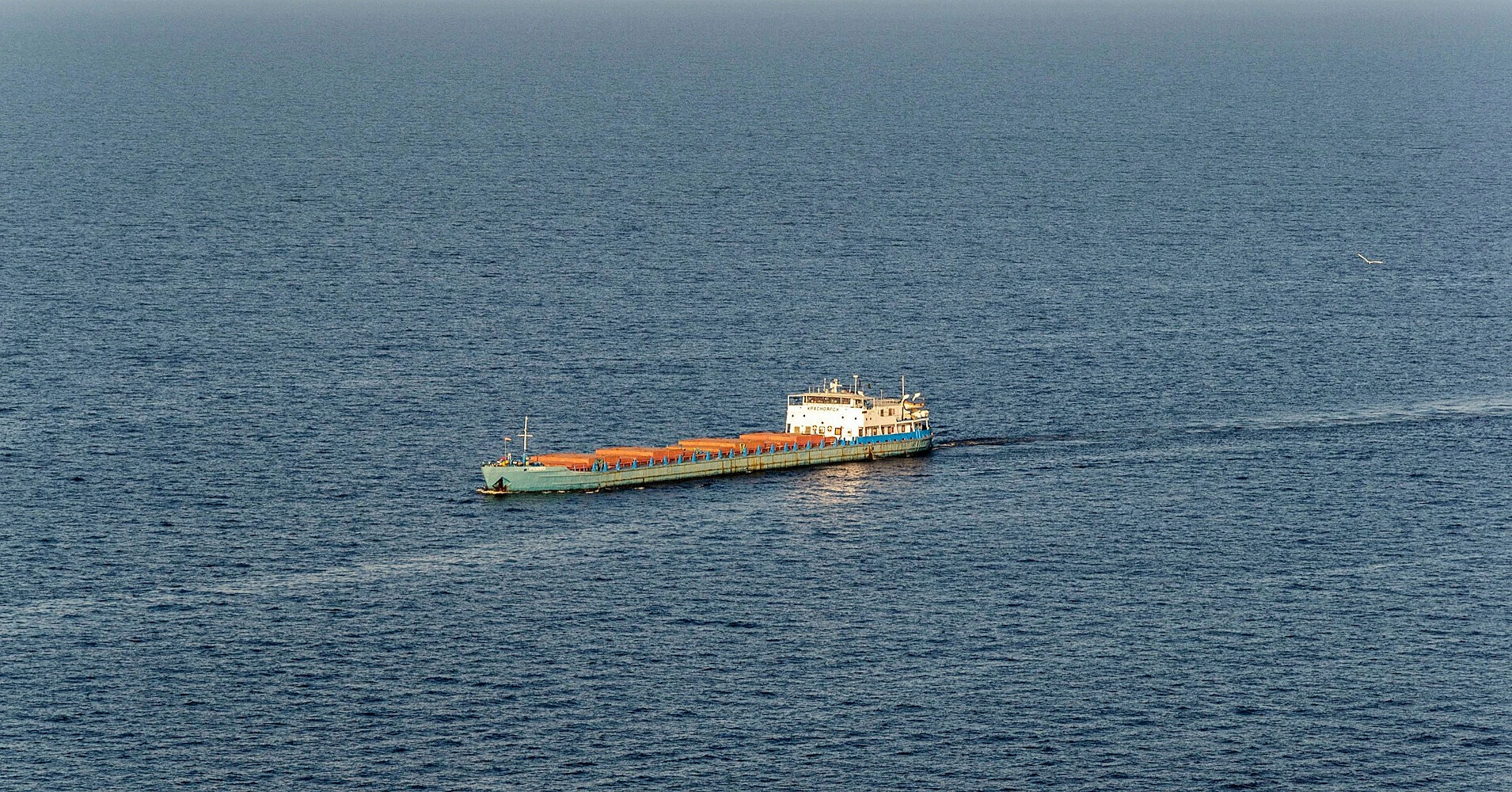
Turkey has intensified diplomatic contacts with Ukraine and Russia against the backdrop of a sharp deterioration in the safety of commercial shipping in the Black Sea. Key grain routes through Ukrainian and Russian ports have been virtually paralyzed after a series of attacks on ports and civilian vessels.
According to information from Ekonomim, obtained from representatives of Turkey's Ministry of Transport and Infrastructure and Ministry of Foreign Affairs, Ankara is continuously and at an accelerated pace conducting diplomatic contacts with both Moscow and Kiev.
Turkey had raised the issue of creating a separate safety mechanism for shipping even before the current escalation. In July, Turkish Foreign Minister Hakan Fidan stated after negotiations in Kiev that Ankara had discussed navigation safety with both the Ukrainian and Russian sides.
According to him, Turkey, together with the UN, had offered the parties even without a general ceasefire to agree separately on the protection of shipping in the Black Sea, grain trade and energy infrastructure. Fidan noted at the time that Ankara's alternative proposals remain on the table.
Ukraine's maritime exports sharply decreased
The situation deteriorated significantly in the summer after the intensification of Russian attacks on Ukrainian ports and commercial vessels. Le Monde reported at the end of August that traffic through Ukraine's main Black Sea ports - Odesa, Chornomorsk and Pivdennyi - was virtually paralyzed.
Before the new escalation, about 6 million tons of cargo, primarily grain, passed through these ports monthly. Now the volume of maritime exports has decreased to approximately 500,000 tons, and some shipowners are refusing to enter Ukrainian ports due to the risk of strikes.
One of the most severe incidents was the attack on July 19 on the bulk carrier Golden Leo, which was leaving Chornomorsk with a cargo of Ukrainian corn. The vessel under the flag of Guinea-Bissau was linked to a Turkish shipowner. According to the Ukrainian side, Russia struck it with three cruise missiles Kh-59/Kh-69.
As a result of the attack, nine crew members and a Ukrainian pilot were killed. Eight other people were rescued. Due to the damage sustained, Golden Leo sank about a week later near Odesa.
Vessels near Russian ports are also coming under attack
At the same time, Ukraine has increased attacks on Russian port and oil infrastructure, and the danger has spread to commercial vessels operating from Russian ports.
At the beginning of August, the Turkish vessels Yaşar and Nadezhda were attacked by drones after leaving Novorossiysk. Among the injured crew members were Turkish citizens. After this, the Turkish Foreign Ministry officially expressed serious concern over the spread of hostilities to civilian shipping and warned of risks to food security.
Another series of incidents occurred at the end of August. On August 26, the vessel Lider Bordo Mavi, operated by a Turkish company, was struck near Tuapse. The next day, Lider Kocatepe, sent to tow it, was hit. After these events, the Turkish Foreign Ministry summoned the Ukrainian ambassador in Ankara.
Due to the deteriorating situation, major carriers have also begun to review operations on the Russian route. At the end of August, MSC suspended new bookings for shipments to Novorossiysk after a series of attacks on commercial shipping.
There is no complete halt in the Black Sea, but key routes are paralyzed
It is not about a complete cessation of all shipping in the Black Sea: traffic through Turkish, Romanian, Bulgarian and other ports continues. However, the main grain export routes from Ukraine and part of the Russian Black Sea ports have sharply decreased.
This is especially critical for Ukraine, since Black Sea ports accounted for the vast majority of agricultural exports before the current escalation. Alternative routes via the Danube, railways and road crossings cannot fully replace large maritime terminals and are more expensive for exporters.
Turkey stated back in July that it considers the safety of commercial shipping to be one of the areas that can be taken outside the scope of direct hostilities, even in the absence of a general truce. A new wave of attacks on Ukrainian, Russian and Turkish-linked vessels makes the creation of such a mechanism increasingly urgent for Ankara.
Based on materials from: Ekonomim, Le Monde, TradeWinds
