
Trump's circle linked the increase in energy prices to Ukraine's attacks on the Russian Federation
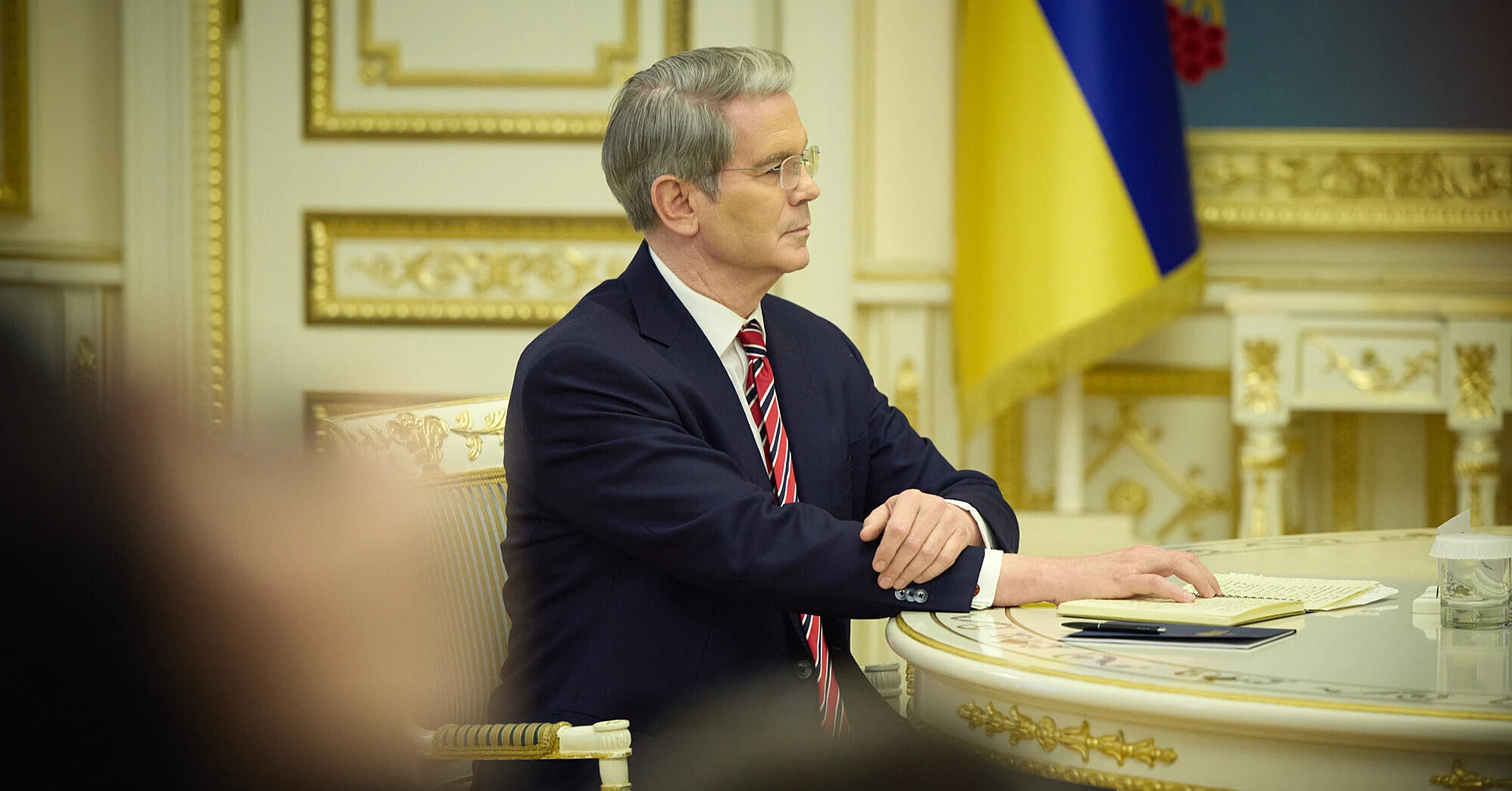
US Treasury Secretary Scott Bessent stated that Ukrainian strikes on Russian oil refineries and other energy facilities were one of the factors behind the current rise in global energy prices. He named the conflict with Iran as the second main factor.
Bessent said this on Fox News after a two-day meeting of G20 finance ministers in North Carolina.
According to the head of the US Treasury, the world is currently experiencing an "energy shock" due to two wars. Speaking about Ukraine, Bessent said that Kyiv has chosen to strike Russian energy assets and oil products, which, in his opinion, creates additional pressure on prices on a global scale. He separately mentioned the war with Iran and expressed hope that after its end, energy prices will fall.
Bloomberg notes that Ukrainian attacks on the Russian oil refining industry forced Moscow to extend the ban on diesel fuel exports by producers until September 30. At the same time, due to problems oil products pass through the Strait of Hormuz, fuel supplies from the Middle East have decreased, further exacerbating the deficit on the global market.
In August, Ukrainian drones attacked Russian refineries at least 21 times. According to S&P Global, the strikes knocked out about 3 million barrels per day of Russian refining capacity out of approximately 7 million barrels per day. Russian diesel exports in August fell to about 3.7 million barrels from 5.5 million in July.
American refiners are trying to partially compensate for the deficit. The United States has increased diesel fuel exports, but this has simultaneously reduced domestic stocks to multi-year lows. As a result, the petroleum products market remains significantly more tense than the crude oil market.
Bessent's comment came just days after his meeting with Russian Finance Minister Anton Siluanov on the sidelines of the G20. The personal participation of the Russian minister in the meeting caused discontent among some of Ukraine's European allies. Bessent himself defended negotiations with Moscow, saying that without contacts between the parties, it will be difficult to end the war. At the same time, during his conversation with Siluanov, he made it clear that Russia should not expect economic concessions from the United States until the war against Ukraine is over.
In Ukraine, Bessent's words drew criticism. Former adviser to the Minister of Internal Affairs Anton Gerashchenko said that the war with Iran had a much stronger impact on the global energy market, while Ukrainian strikes are aimed at reducing Russia's ability to finance the war.
Sources: The New York Times, Bloomberg, EIA
