
In Russia, conscripts are increasingly not allowed to leave the country amid statements about mobilization
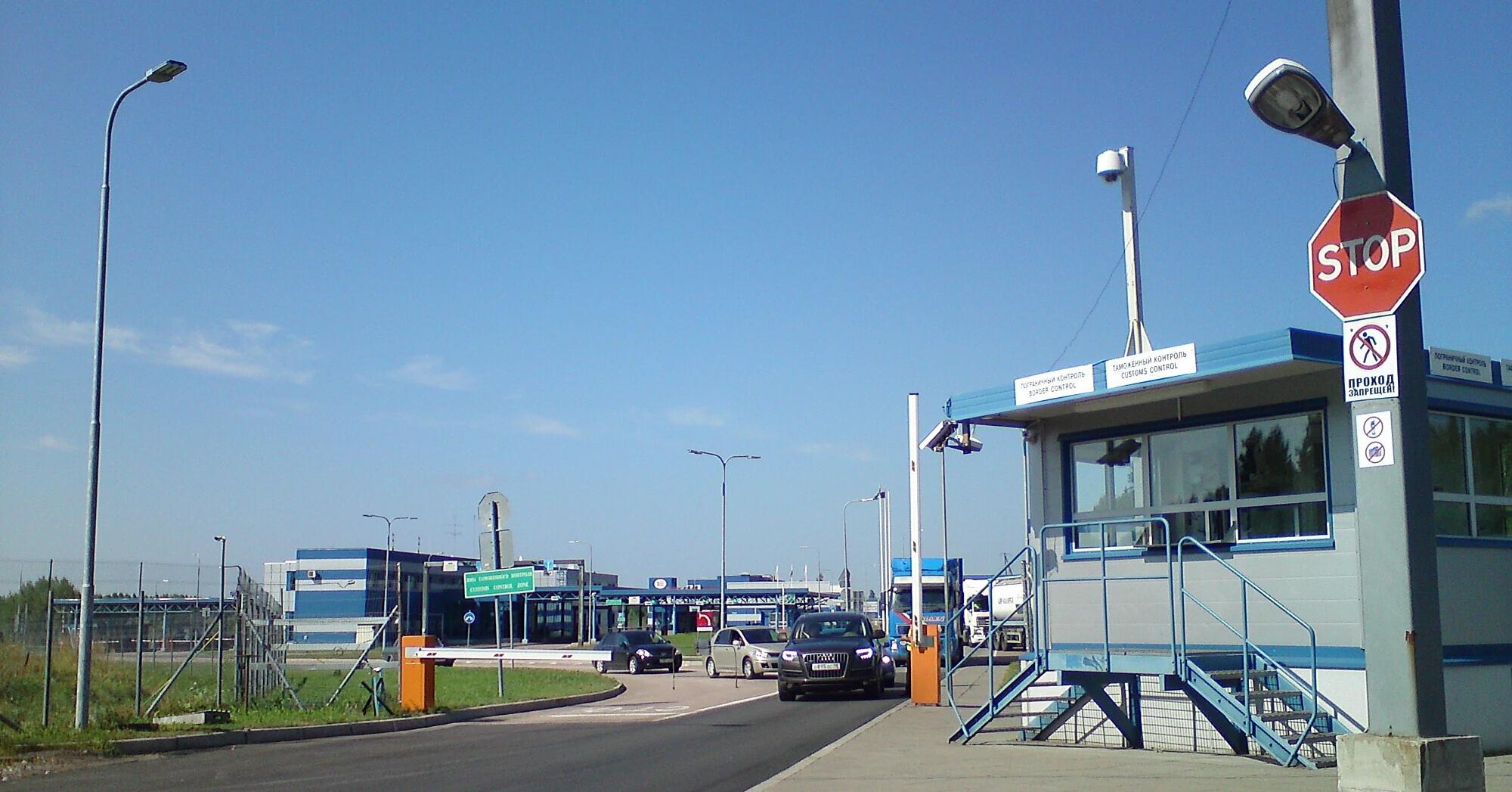
In the second half of August, Russia saw a noticeable increase in the share of conscripts refused exit from the country. In some cases, men learned about restrictions only during border control, even though the ban was not displayed in the electronic register before the trip.
This was reported by the project "Go Through the Forest", which helps Russians avoid participation in the war and advises on conscription issues.
As of August 18, the project received requests from 50 conscripts trying to leave Russia. Of them, 41 were able to cross the border, while nine were refused exit.
From August 19 to 31, the situation changed. Of 23 new applicants attempting to leave directly from Russia, only nine were able to cross the border, while 14 received refusals.
In total, among 73 known project cases of exits directly from Russia, 50 conscripts left the country, and 23 could not.
At the same time, "Go Through the Forest" emphasizes that this data is not representative statistics for all Russian conscripts. People who have already received a draft notice, have restrictions, or fear problems at the border turn to the organization more often, so the share of trouble-free exits nationwide may be higher.
About bans sometimes learned only at the border
Among the cases described by the project are conscripts whose exit was officially banned in the register. However, situations were also recorded where a man saw no restrictions before the trip.
One conscript before a Moscow-Yerevan flight checked the electronic register and found no ban there. Already at border control, he was informed that exit was restricted. After the refusal, he checked the register again - within minutes the ban information appeared there.
Another man, according to him, never received draft notices and learned about the restriction only at Moscow airport.
Another conscript from Novosibirsk, after the first refusal, had the restriction canceled by the military commissariat, which was reflected in the electronic register. However, two days later, border guards again did not allow him to leave Russia, as in their system the ban remained in effect.
Meanwhile, the system works unevenly. The project knows cases of successful departure of men with draft notices, and one conscript was able to cross the land border with Kazakhstan even with a ban on exit in the register and other temporary restrictions.
Separately, Russians try to leave the country through Belarus. Among 11 known project cases of such attempts, four were successful, and seven conscripts were unable to leave.
Reports appear amid debate about new mobilization
The increase in refusals occurs amid fears of a possible new wave of mobilization in Russia after the State Duma elections in September. Ukrainian authorities and intelligence have repeatedly stated that Moscow is preparing relevant infrastructure and called the period after the elections most likely for a political decision.
Western sources also reported a worsening situation with manning the Russian army. In late August, Western officials stated that Russian losses in recent months already exceed the pace of recruiting new soldiers, although new forced mobilization remains politically and economically risky for the Kremlin.
Russian authorities deny the possibility of new mobilization. Vladimir Putin said on September 3 that there is allegedly no scenario requiring additional mobilization, and called reports of its preparation an "information attack" ahead of parliamentary elections.
At the same time, the cases of exit refusals primarily concern citizens subject to conscription, and are not in themselves proof of preparation for a new wave of reservist mobilization.
Based on materials from: "Go Through the Forest"
