
Cabinet submits draft laws to Rada to unlock €1.45 billion from EU
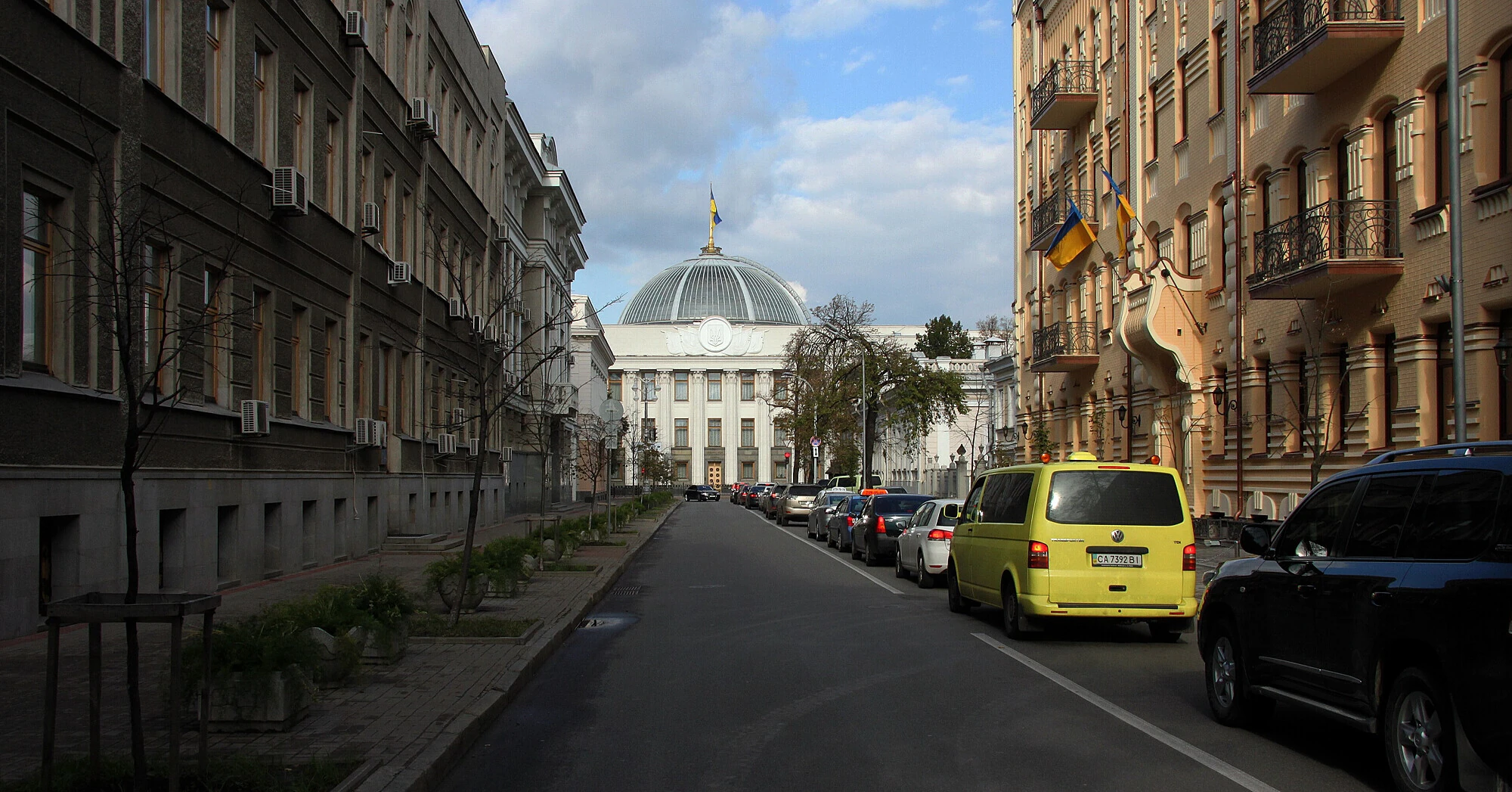
The Cabinet of Ministers has approved and sent to the Verkhovna Rada four draft laws, the adoption of which is a condition for Ukraine to receive the third tranche of macro-financial assistance from the European Union in the amount of €1.45 billion. The government is accelerating the fulfillment of financial obligations to international partners amid the acute need of the state for additional funds for defense and the budget deficit.
The package of draft laws was announced by Prime Minister Serhiy Koretskyi. According to him, the documents are necessary to fulfill Ukraine's obligations to the European Union and the International Monetary Fund.
"The receipt of a significant part of the $29.5 billion from international partners depends on the joint effective work of the Government and the Parliament," - Koretskyi emphasized.
The first of the submitted draft laws concerns the administration of VAT for individual entrepreneurs. The government, in particular, proposes to raise the threshold for conducting unscheduled inspections regarding budget reimbursement and negative VAT value from 100 thousand to 1 million hryvnias.
The second document is intended to bring transfer pricing rules in line with the standards of the Organisation for Economic Co-operation and Development and the European Union.
The third draft law provides for changes in capital markets. Among other things, it proposes to unite key institutions into a holding structure and provide for attracting an international strategic investor through an open tender.
The fourth document concerns the High Anti-Corruption Court. The Cabinet proposes to introduce single-judge consideration of civil cases on recognizing assets as unfounded and their recovery to the state revenue, as well as administrative cases on the application of sanctions.
The day before, the Rada opened the way to another €411 million
The new government package appeared on the same day that the Verkhovna Rada supported three other legislative decisions necessary for the implementation of the Ukraine Plan within the framework of the Ukraine Facility program.
They concern the reform of state aid, the development of renewable energy, and the fulfillment of special obligations in the public sector. After completing the stipulated procedures, these decisions should enable Ukraine to receive €411 million in EU financial assistance.
This is separate financing and should not be confused with the €1.45 billion tranche, for which the Cabinet has now sent four new draft laws to parliament.
External financing becomes critical for the budget
Intensification of work on EU and IMF conditions is taking place against the background of a significant deficit in public finances and additional needs of the defense sector.
On September 1, Koretskyi stated in the Verkhovna Rada that the government is shifting to a strict regime of savings of budget funds not earmarked for defense. According to the audit results, the Cabinet has already found about 70 billion hryvnias, which it plans to fully direct to the needs of the Defense Forces.
The Prime Minister also warned that without fulfilling agreements with partners, Ukraine risks not receiving a significant part of external financing. According to the plan he presented, in order to attract the necessary funds, the government must make dozens of decisions, and the parliament must pass a package of laws related to international programs.
Problems with public finances, according to Ukrainian media, turned out to be larger than previously expected by the political leadership. "Ukrainska Pravda" reported that during the August meeting of the NSDC, Koretskyi presented President Volodymyr Zelenskyi with calculations according to which the gap between available resources and expenditures that the state must finance by the end of the year measured in tens of billions of dollars.
According to the publication, after this report Zelenskyi began to personally demand from deputies more active voting for draft laws whose implementation is linked to the EU and IMF programs.
Koretskyi himself officially characterized the results of the public finance audit as "extremely difficult challenges" and emphasized that a significant part of the financing Ukraine needs directly depends on the fulfillment of obligations undertaken to partners.
Thus, voting for the draft laws submitted by the Cabinet becomes not only part of reforms within the framework of cooperation with the EU and IMF, but also one of the instruments for ensuring the financial sustainability of the state amid growing defense expenditures.
Based on materials from: Serhiy Koretskyi, Cabinet of Ministers of Ukraine
