
Oil prices see strongest weekly gain since mid-July
World oil prices are ending the week with the strongest gain since mid-July amid new escalation between the US and Iran and fears over supply disruptions through the Persian Gulf. On Friday, quotes partially retreated from the highs reached, but the weekly gain remains significant.
During trading on September 4, Brent fell to around $94–95 per barrel, and US WTI to $89–90. Earlier this week, Brent rose almost to $97 per barrel — a high for about six weeks.
Despite Friday's decline, both crude grades remain on track for the biggest weekly gain since mid-July. At various moments during Friday's trading, Brent's weekly gain was estimated at roughly 7–9%, while WTI was up almost 10%.
Market fears disruptions in the Persian Gulf
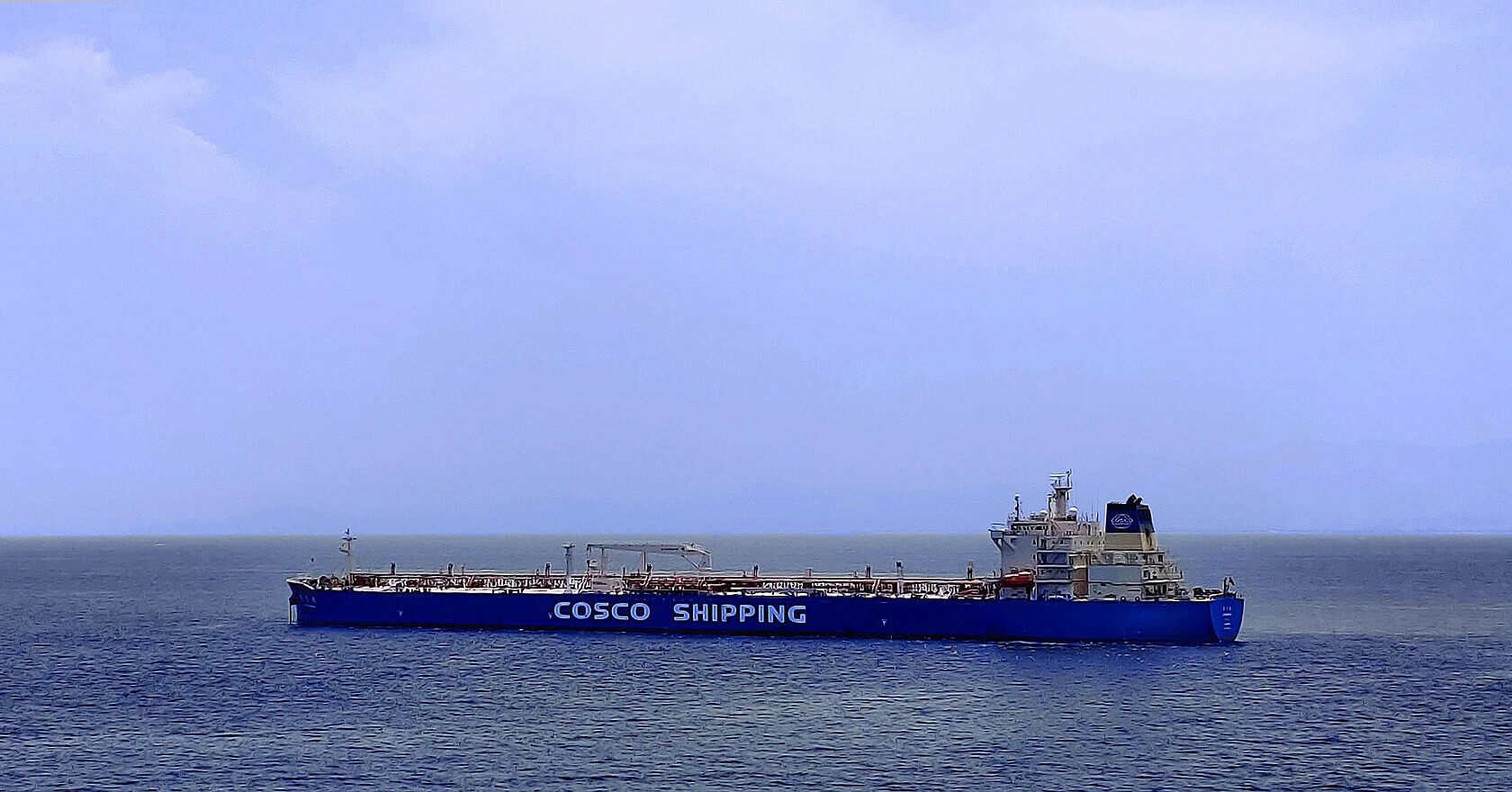
The main factor behind the rise was the new escalation in the standoff between the US and Iran. The resumption of strikes and retaliatory attacks brought back market fears that military action could hit energy infrastructure and further restrict tanker traffic through the Strait of Hormuz.
A significant portion of the world's seaborne oil trade passes through this route. Shipping through the strait remains below normal levels, so any signs of further escalation quickly affect oil prices.
Additional pressure on the market comes from Ukrainian strikes on Russian refineries and restrictions on Russian oil product exports. Amid supply tensions, diesel prices in a number of countries have also risen sharply.
Oil began to fall on Friday
Part of the weekly gain was lost after comments by US Vice President JD Vance, which the market took as a signal about a possible reduction in the intensity of hostilities. After that, WTI at one point lost around 2.5%, falling to about $89 per barrel. Brent also turned lower.
However, the geopolitical premium in prices remains. Traders continue to focus primarily on the situation in the Strait of Hormuz, actions by Iran and the US, and the possibility of further attacks on energy facilities in the region.
Accumulated oil inventories remain a restraining factor. ANZ analysts note that they helped the market withstand the initial supply disruptions, but as reserves are drawn down, balancing the market could become more difficult.
The next important event for the oil market will be the OPEC+ meeting scheduled for September 6. Investors will assess how the largest producers respond to high prices and ongoing supply risks.
Based on materials from: The Wall Street Journal, MarketWatch, Bloomberg
