
EU proposes new Europe-wide taxes instead of higher member state contributions
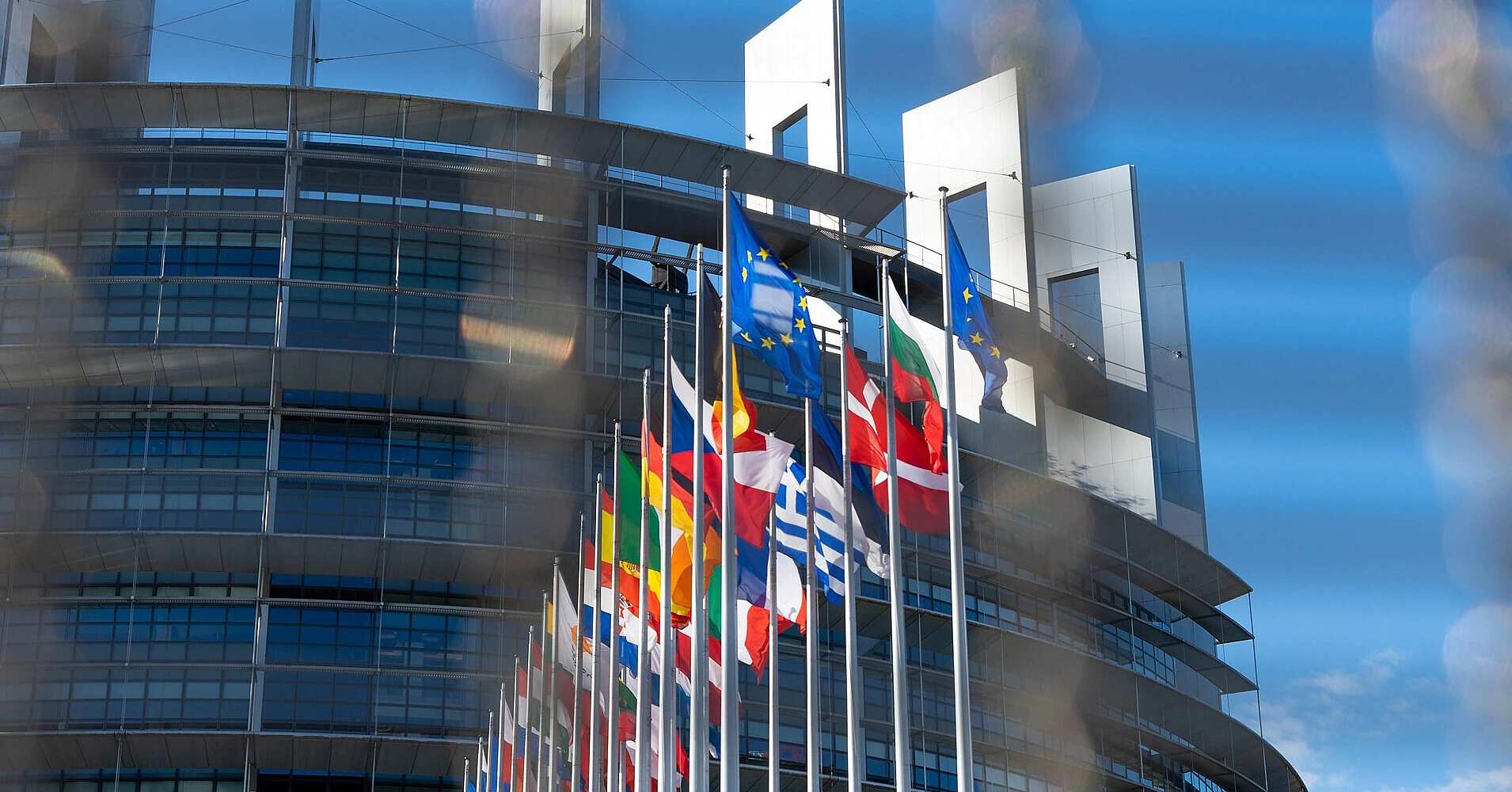
The European Union is considering new Europe-wide sources of revenue as a way to finance the next seven-year budget while not increasing the burden on national budgets of member states. European Council President António Costa said that the EU cannot demand ever higher contributions from states and must find its own sources of funding.
Costa said this on September 9 in Berlin after talks with German Chancellor Friedrich Merz devoted to the European Union budget for 2028–2034.
According to the European Council head, national contributions must be kept at an acceptable level, so an agreement on new EU own resources should become one of the key parts of the future budget deal.
"We cannot ask for more from member states. We need to create new own resources in order to protect national budgets", – Costa said.
This refers to revenues that would flow directly into the EU budget and would make Brussels less dependent on direct transfers from EU governments.
The European Commission proposes a budget of almost €2 trillion for 2028–2034. It should, among other things, fund defence, improving the competitiveness of the European economy, agriculture, regional policy, research, migration and other Europe-wide programmes.
At the same time, the European Commission has proposed several new sources of EU own revenue. Among them are allocation of part of the proceeds from the European Emissions Trading System ETS, revenues from the carbon border adjustment mechanism CBAM, a levy related to unprocessed electronic waste, a portion of tobacco excise duties, and a new corporate levy for large companies operating in the EU market.
According to the European Commission's estimate, the whole package of new and adjusted sources of financing could bring the European budget about €58.5 billion annually in 2025 prices. For example, the electronic waste mechanism is estimated at around €15 billion per year, ETS revenues at €9.6 billion, the tobacco resource at €11.2 billion, and the new corporate levy at about €6.8 billion.
The need to seek additional revenue is linked not only to the growth of EU spending. In the coming years, the EU will also have to repay funds jointly borrowed for the post-pandemic economic recovery programme NextGenerationEU.
However, a serious dispute has already arisen around the future budget among the largest EU countries. Germany is against a sharp increase in spending. Merz said after the meeting with Costa that the European Commission's proposal needs to be cut by several hundred billion euros.
According to the German chancellor, the new financial plan provides for about a 60 percent increase compared to the current seven-year budget, which Berlin considers unacceptable amid austerity in national budgets. Germany is also against covering additional spending through new joint EU debt.
Merz believes that the priorities of the new budget should primarily be the competitiveness of the European economy and defence capability. He simultaneously demands cuts in spending in other areas.
Approval of the multiannual financial plan requires the support of all 27 EU states. Costa and Merz said they expect to reach a political agreement on the budget by the end of 2026. The new own-resources system will also require a unanimous decision by member states and subsequent approval in accordance with their national procedures.
Based on: Politico, European Council, European Commission
