
Oil prices accelerated growth due to Middle East escalation
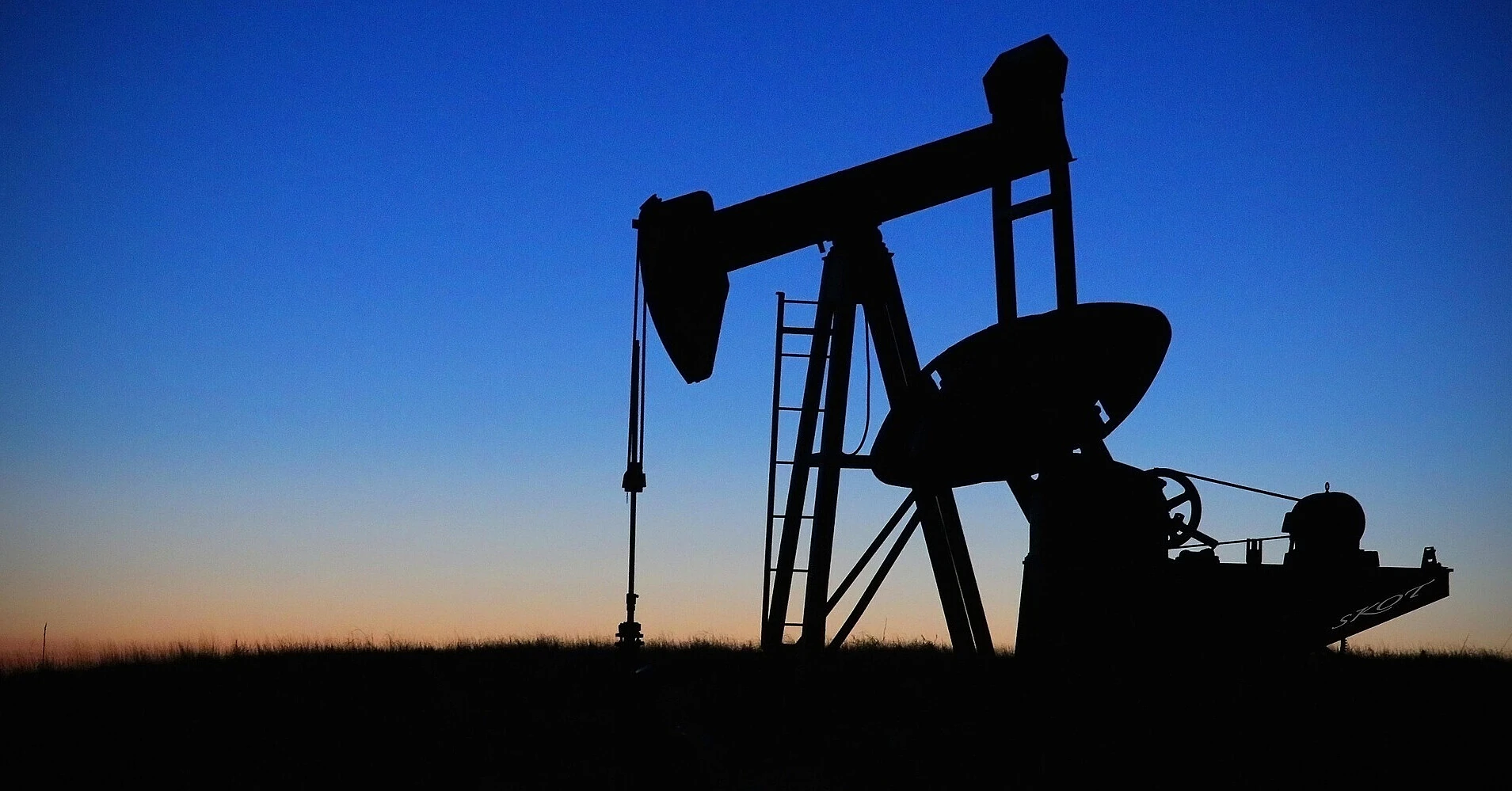
Oil prices rose sharply on Thursday, September 10: Brent futures rose more than 4% and exceeded $105 per barrel. U.S. WTI simultaneously crossed the $100 mark. The market is reacting to further escalation around Iran, attacks on shipping, and the Houthi advance toward one of the key maritime routes.
The price of the nearest Brent futures rose 4.1% to about $105.37 per barrel. WTI rose 4.3% to $100.13. The growth continued after a sharp rally on Wednesday, when both benchmarks ended trading at their highest levels since May 22.
As early as September 9, Brent exceeded $100 per barrel for the first time since late July. Thus, in less than a day, the price added about $5 more.
The main factor remains the situation around the Persian and Oman gulfs. U.S. Central Command said American forces destroyed ten Iranian tankers over the past week in response to Tehran's attempts to attack U.S. warships.
Meanwhile, the British maritime trade operations service received reports of several commercial vessels coming under fire in the northern Persian Gulf and the Gulf of Oman. Iran's Islamic Revolutionary Guard Corps warned of a possible further restriction of shipping in the Strait of Hormuz area.
Hormuz remains the main source of risk for the oil market. Before the current escalation, about a fifth of the world's oil supplies passed through the strait. Movement restrictions force suppliers to seek alternative routes and raise transportation costs.
Added to this was a new factor on the Red Sea side. Iranian-backed Houthis on September 10 captured the strategic Yemeni port of Mokha on the coast near the Bab el-Mandeb Strait. This strait connects the Red Sea with the Gulf of Aden and remains one of the key routes for world trade and energy supplies.
The Houthi advance creates additional risk for Saudi Arabia. Amid shipping problems through Hormuz, the kingdom can send part of its oil via pipeline to Red Sea ports, but the strengthening of the Houthis near Bab el-Mandeb complicates this alternative route as well.
The market is also pricing in the possibility of longer disruptions. According to analysts, part of the current price is formed by a geopolitical risk premium, but the physical market is also becoming more strained amid reduced supplies from the Middle East and rising seaborne transportation costs.
Based on: The Wall Street Journal, The Wall Street Journal
