

WSJ: Trump intends to sign the 'Graham project' on sanctions against Russia
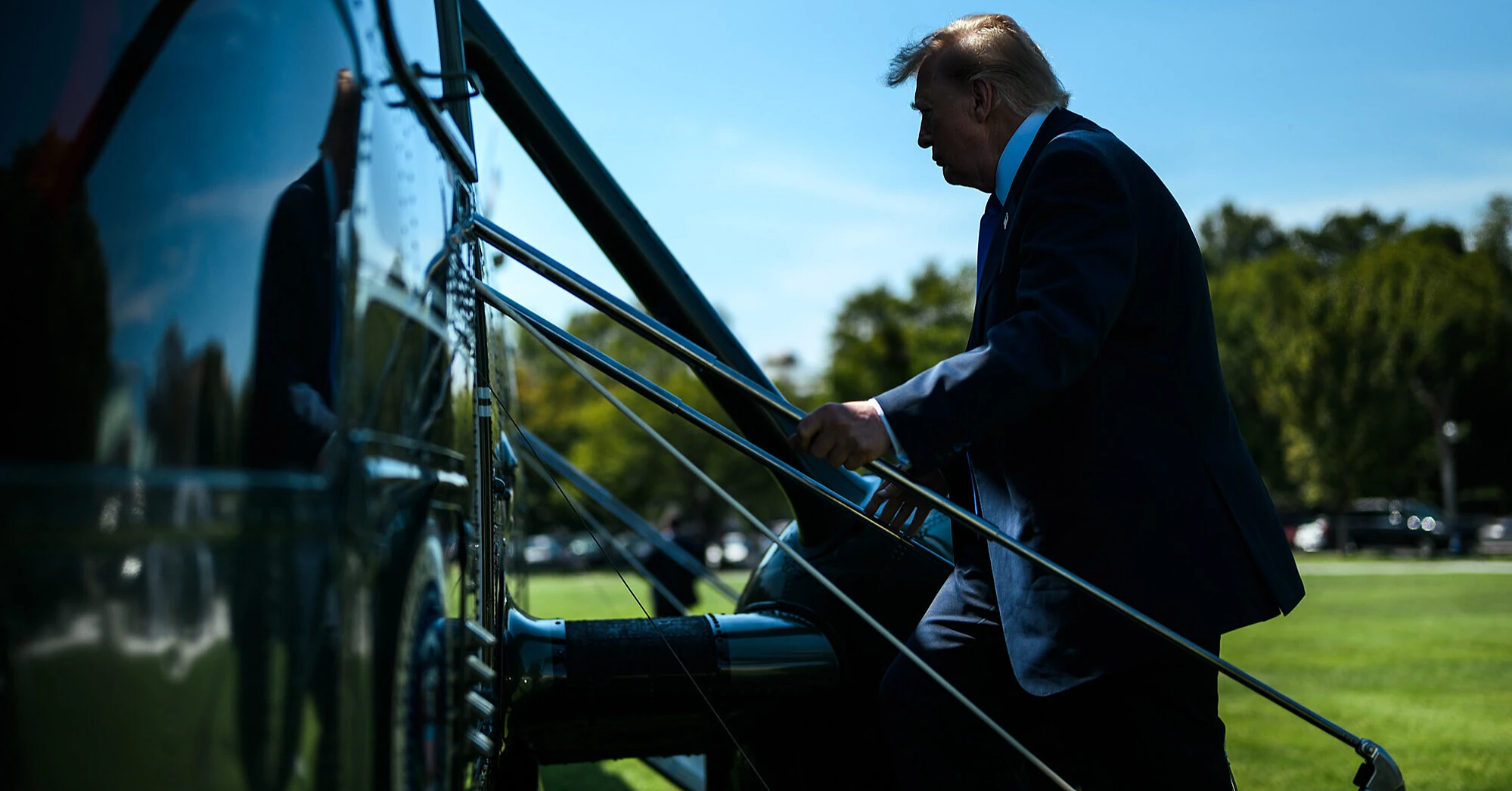
US President Donald Trump intends to sign a bill to strengthen sanctions against Russia, which provides, in particular, the possibility of imposing tariffs of up to 100% against the largest buyers of Russian oil and gas. A White House representative reported the president's plans.
This is reported by The Wall Street Journal. On the eve, the House of Representatives supported the so-called 'Graham project' by 262 votes to 159. Since the Senate approved the bill last month, the document is now sent to the president for signature.
According to WSJ, the White House confirmed that Trump plans to sign the document. The publication also notes that the president's administration insisted on advancing the bill in the House of Representatives.
Support for the document from the administration was known earlier. In July, the White House officially stated that it supports the passage of the Lindsey O. Graham Sanctioning Russia and Iran Act of 2026, and presidential advisers would recommend that Trump sign it if the bill reaches him in the agreed version.
The document expands sanctions against Russian officials, financial institutions, and other structures associated with the Russian government. A separate block gives the US president the authority to impose tariffs of up to 100% against countries that remain among the five largest importers of Russian oil and gas.
One of the main potential targets of this mechanism is China. According to data cited by WSJ with reference to Senator Jeanne Shaheen, China provides about 51% of Russia's revenue from the sale of fossil fuels among the five largest importers.
At the same time, the application of tariffs will not be completely automatic. The law leaves the president broad possibilities for exceptions from sanctions, and also allows them to be terminated after the conclusion of a peace agreement. Exactly the significant discretionary powers of the president were one of the reasons why some Democrats in the House of Representatives opposed the document.
In particular, the leading Democrat on the House Foreign Affairs Committee, Gregory Meeks, stated that the law gives Trump broad new tariff powers, while allowing the president to make exceptions from sanctions. Supporters of the bill, on the contrary, consider it an additional instrument of economic pressure on Russia and states that finance its export of energy carriers.
The bill, which was worked on for more than a year, was advanced by the late Republican Senator Lindsey Graham. In addition to the Russian block, the document extends the operation of sanctions legislation regarding Iran until 2031.
Based on materials from: The Wall Street Journal, White House