
Global diesel shortage could persist until 2027
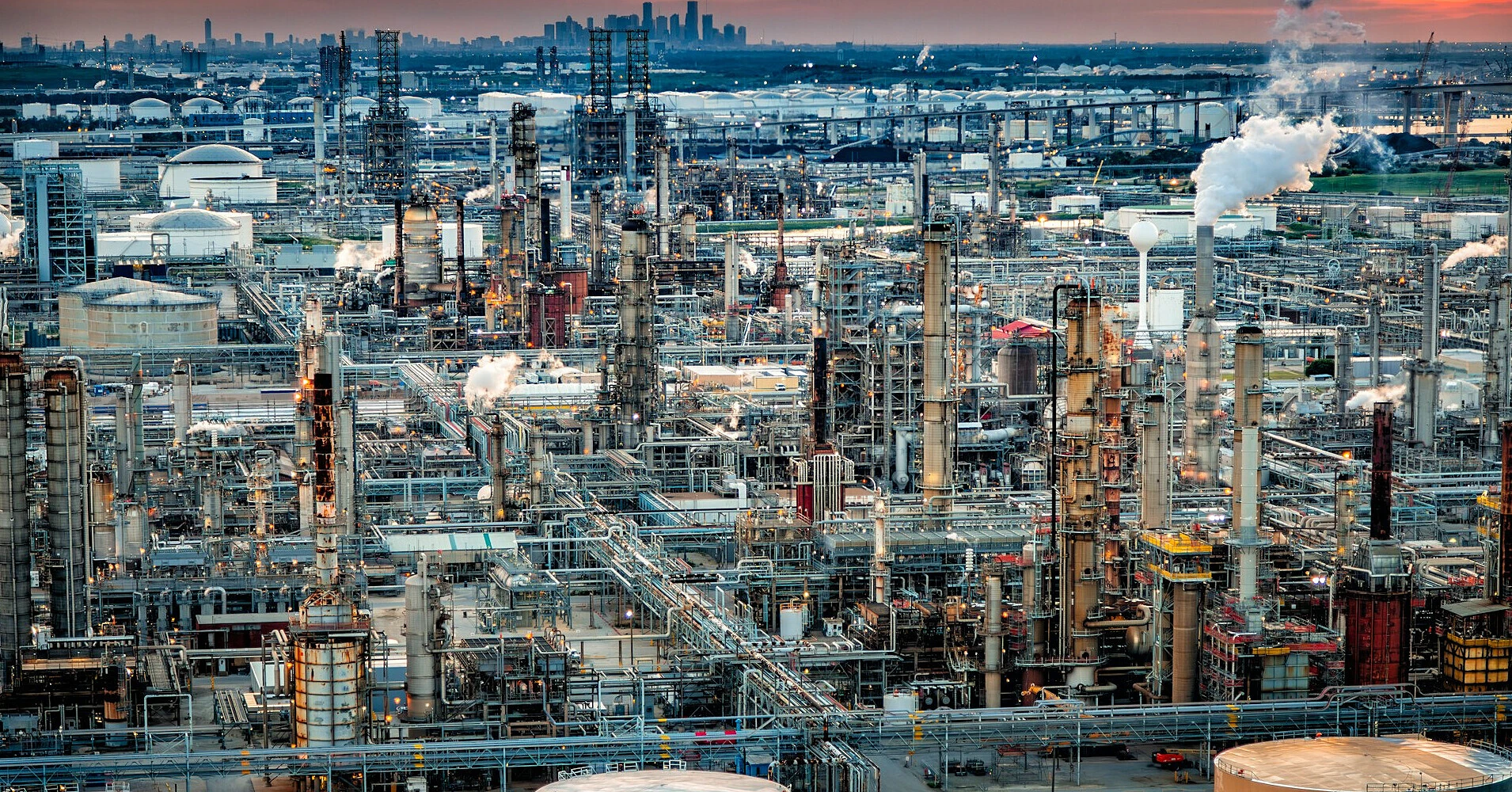
The global shortage of diesel fuel, exacerbated by the wars in Iran and Ukraine, is unlikely to ease significantly before next year. This is indicated by storage market data and estimates from its participants, Reuters reports.
At the same time, the global oil market problem is increasingly shifting from a direct shortage of crude oil to a deficit of refined products. Inventories, which over previous months allowed to compensate for disruptions in supplies from the Middle East, are rapidly shrinking, and diesel is becoming significantly more expensive than oil.
According to the International Energy Agency, in August alone observed global oil inventories decreased by another 95 million barrels. Since the end of February, the total decline reached 507 million barrels - an average of about 2.8 million barrels per day. Meanwhile, global refining throughput in August remained 4.2 million barrels per day lower than a year earlier, and diesel production margins in the Atlantic Basin rose to record levels.
Executives of major American oil companies warn that the cushion of spare capacity that previously allowed the market to withstand disruptions has diminished significantly. Commercial fuel inventories have been declining for more than six months, and the possibilities for additional use of strategic reserves are also becoming more limited, The Wall Street Journal writes.
The situation worsened further after the halt of Saudi Arabia's East-West pipeline following attacks on its infrastructure. The route became one of the main ways to bypass the problematic Strait of Hormuz and recently transported about 4-5 million barrels per day. Its halt forced Saudi Aramco to delay or cancel some September deliveries to European buyers.
At the same time, marine logistics became sharply more expensive. Due to the need to reroute oil and a shortage of available supertankers, VLCC freight rates exceeded $1 million per day. According to market participants, transport costs on some routes could reach about $26 per barrel, so even a drop in crude oil quotations will not necessarily quickly translate into cheaper fuel for consumers.
The most acute situation has developed precisely with middle distillates. According to data cited by WSJ, in August the Gulf countries exported about 390 thousand barrels per day of diesel and gasoil - only slightly more than a quarter of the levels before the current Middle East crisis. Wholesale diesel prices in the U.S. in early September already exceeded the equivalent of $200 per barrel.
Europe is also near record prices. S&P Global assessed the physical price of diesel in Northwest Europe at $1642 per ton on September 15 - the highest value in the history of the corresponding Platts indicator. In the Mediterranean, the price on the same day exceeded $1664 per ton.
Russia adds pressure to the market by extending the full ban on diesel exports until the end of October. Before the restrictions, the country was one of the largest suppliers of this fuel to the world market, so the loss of Russian volumes is especially felt in Europe, Africa and Latin America.
Market participants do not expect a quick return of Russian supplies either, due to Ukrainian strikes on refining infrastructure. Even if attacks cease, according to S&P Global Energy CERA, refineries will need time to significantly increase diesel production and bring it back to pre-summer levels.
The shortage is already directly affecting consumers. In the US, the average retail price of diesel on September 14 exceeded $6.28 per gallon against about $5.26 in early August. By September 21, the AAA indicator had risen above $6.5 per gallon - a new all-time high.
The high price of diesel has a broader impact on the economy than more expensive gasoline. The fuel is widely used by trucking, rail transport, agriculture, industry and partly heating. Therefore, the shortage directly increases logistics costs and the cost of transporting almost all categories of goods.
The current situation differs from classic oil crises because even an increase in availability of crude oil does not guarantee quick relief. Refining capacity, inventories of oil products and logistics have simultaneously become choke points. That is why even partial restoration of flows through the Middle East may prove insufficient for a quick return of diesel prices to previous levels.
Source: Reuters, The Wall Street Journal, S&P Global
