
SBU declared disabling 300 "shadow fleet" vessels of the Russian Federation in 11 weeks
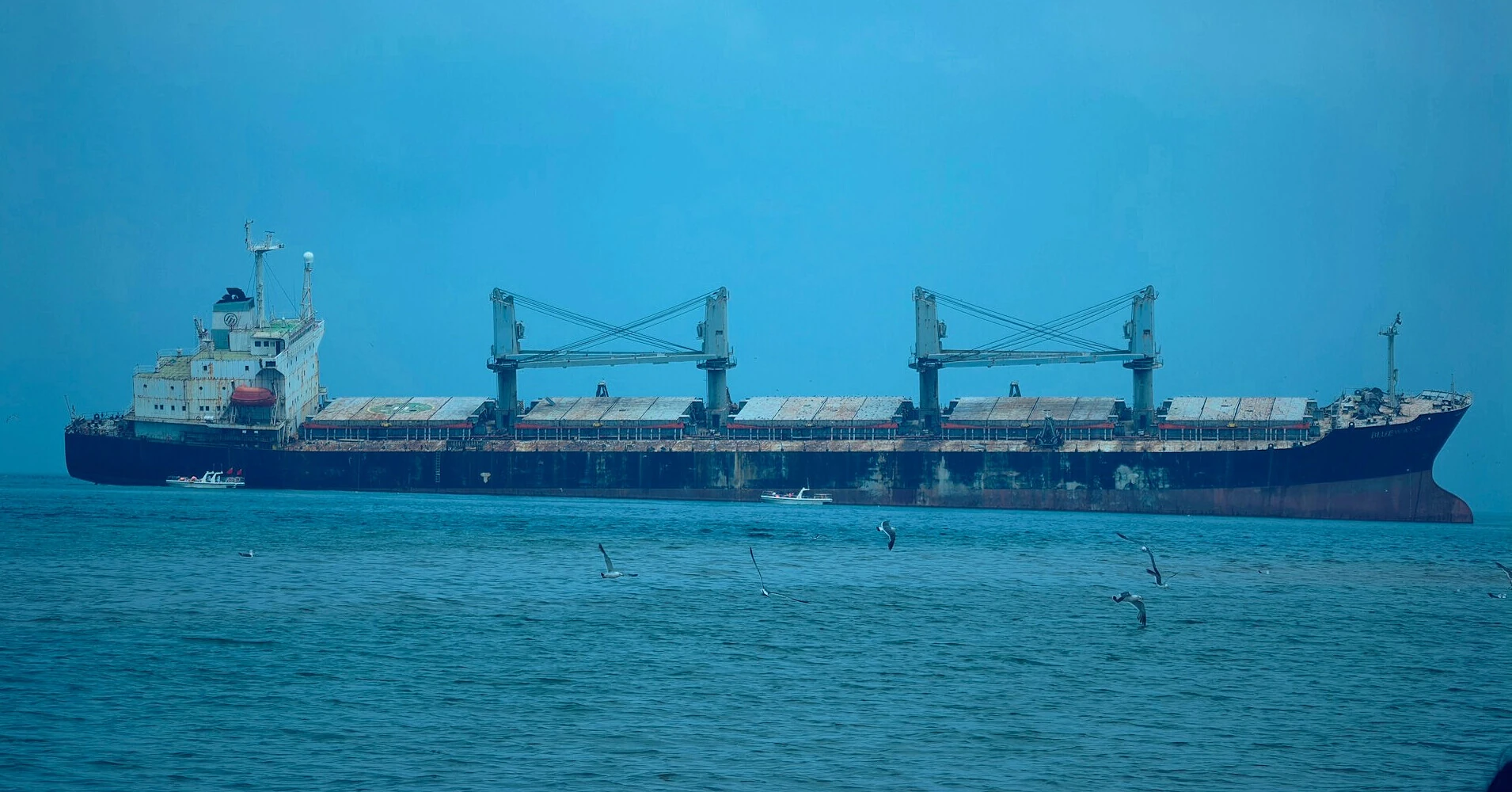
The Unmanned Systems Forces of the Armed Forces of Ukraine stated that over 11 weeks of operation against Russian maritime logistics, their drones struck and disabled 300 watercraft in the Black and Azov Seas.
This was reported by USF commander Robert Brovdi, call sign Magyar. According to his data, the operation called "MoLoCHKa" has been ongoing since July 6, 2026.
Of the total number of struck watercraft, 134 are in the Sea of Azov, and another 166 in the Black Sea. Brovdi emphasized that this refers specifically to vessels that lost the ability to move under their own power after the attacks. This does not mean that all 300 watercraft were sunk or destroyed beyond repair.
"The Sea of Azov is standing and will continue to stand, together with the Kerch Strait. In the northern and northeastern part of the Black Sea, the "maybe we'll get through" regime is in effect", the USF commander stated.
The Unmanned Systems Forces use the term "shadow fleet" in relation to the operation's targets, but the list of struck watercraft is significantly broader than the usual definition of Russia's sanctioned oil fleet. The attacks targeted not only tankers, but also bulk carriers, gas carriers, tugboats, ferries, and other vessels involved in Russian maritime logistics.
Thus, already on July 14, on the ninth day of the operation, the USF reported 116 struck watercraft. At that time, Brovdi explained that the goal of the attacks is not necessarily to sink vessels, but to deprive them of the ability to operate and disrupt Russia's maritime transportation.
By July 17, the number of claimed targets increased to 159 vessels. Among the latest group struck at that time were nine bulk carriers, a tanker, a gas carrier tanker, and a tugboat.
As of September 12, Brovdi had already reported 285 struck watercraft. Thus, over the following ten days, the USF claimed another 15 vessels that lost the ability to move independently.
Russian shipowners simultaneously began to adapt to Ukrainian attacks. In August, anti-drone nets, metal structures around superstructures, and additional protection of engine rooms were spotted on oil tankers in the Black Sea. Some vessels also began changing routes, moving closer to the Turkish coast.
In particular, such protection was installed on the sanctioned tanker Caruzo, which was carrying about 1 million barrels of Russian oil. Similar structures were also observed on other vessels of Russia's "shadow fleet".
The USF's claimed results of the entire operation cannot be independently verified. At the same time, the data released by Brovdi indicate that the campaign is increasingly aimed not at individual vessels, but at systematically complicating Russian maritime logistics in the Azov-Black Sea basin.
Based on materials from: Robert Brovdi (Magyar), Kurs Ukrainy, Financial Times
