
Expensive fuel accelerated Europeans' transition to electric vehicles
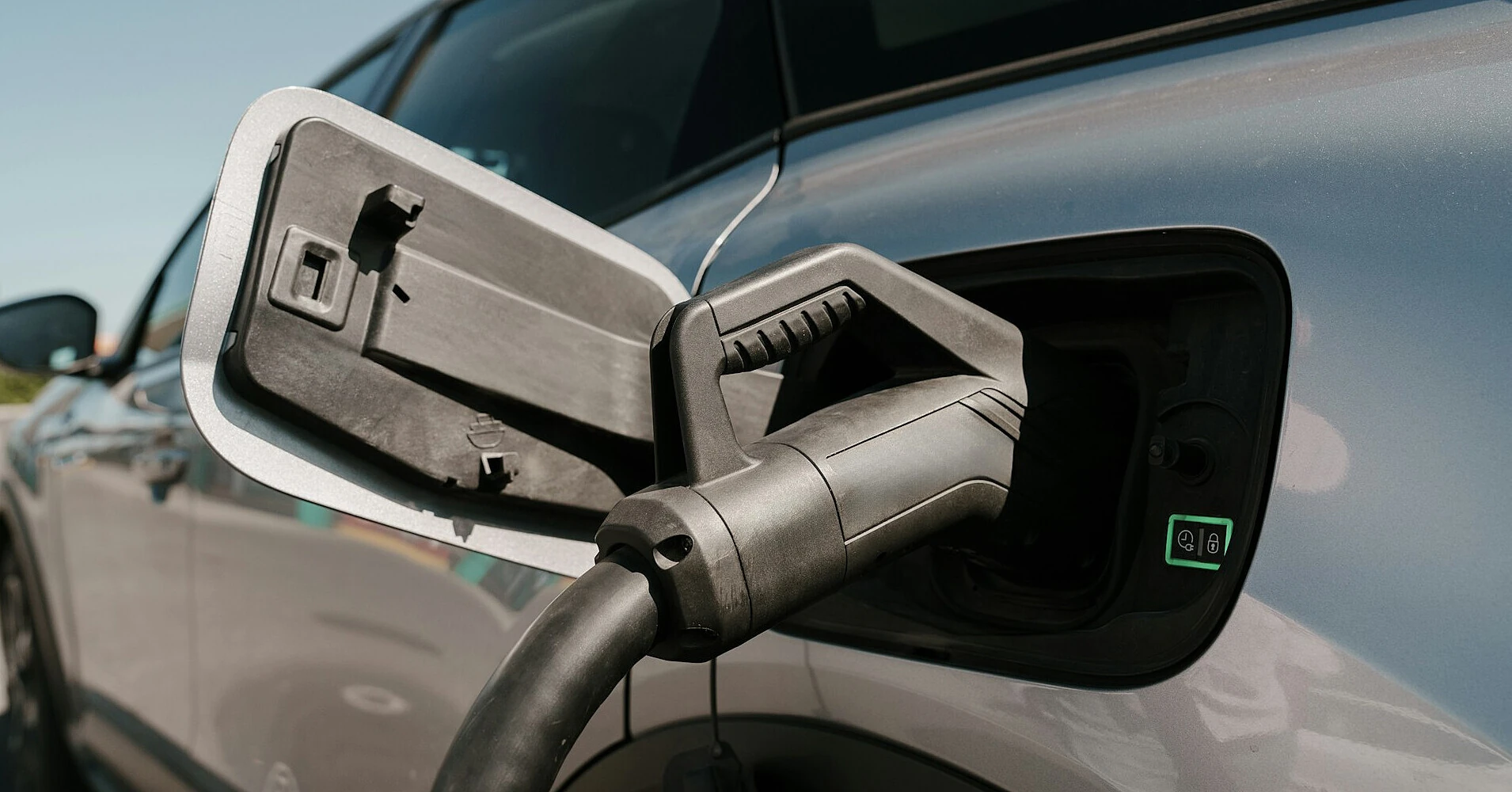
Sales of fully electric cars in Europe in August increased by 52% compared to the same month last year. One of the main factors accelerating demand was record prices for gasoline and diesel, which increase the difference in operating costs of electric cars and vehicles with internal combustion engines.
According to Bloomberg, the largest European car market - Germany - showed an increase in electric vehicle sales of approximately three quarters, and in France the number of registrations more than doubled.
Official statistics from the European Automobile Manufacturers' Association ACEA also show a continuing structural shift in the market. From January to August, over 1.64 million new battery electric vehicles were registered in the EU. Their share reached 21.7% compared to 15.8% for the same period last year.
At the same time, the combined share of traditional gasoline and diesel cars fell from 37.5% to 29%. Sales of gasoline-powered cars in the first eight months decreased by 18.6%, and ACEA recorded a similar drop in the diesel vehicle segment.
An additional incentive for switching to electric power is the increasing cost of operating a conventional car. Bloomberg cites Germany, where the average price of gasoline reached a record 2.31 euros per liter. Diesel in the country costs even more amid a shortage on the European oil products market.
For owners who can charge their car at home, the difference in expenses becomes especially noticeable. According to the German price comparison service Verivox, home charging of a mid-range or premium electric car can currently be about 70% cheaper than refueling a similar gasoline car.
Demand is also influenced by the expansion of offerings from automakers. More relatively affordable models are entering the European market: for example, the Renault Twingo E-Tech starts at about 19.5 thousand euros. At the same time, driving range is increasing - a number of new models can already travel over 600 km without recharging.
European countries also support buyers with subsidies. In Germany, households with a corresponding income level can receive up to 6 thousand euros in assistance for the purchase of an electric car, and in France, state programs for certain models allow reducing the monthly payment to less than 100 euros.
The growth in demand occurs simultaneously with increased competition from Chinese manufacturers. According to Dataforce, in August, Chinese brands already accounted for nearly 12% of all new car sales in Europe, setting a new maximum of their presence in the regional market.
Based on materials from: Bloomberg, ACEA, Financial Times
