
Polish Foreign Minister Sikorski: Russia may be preparing "something big" this year
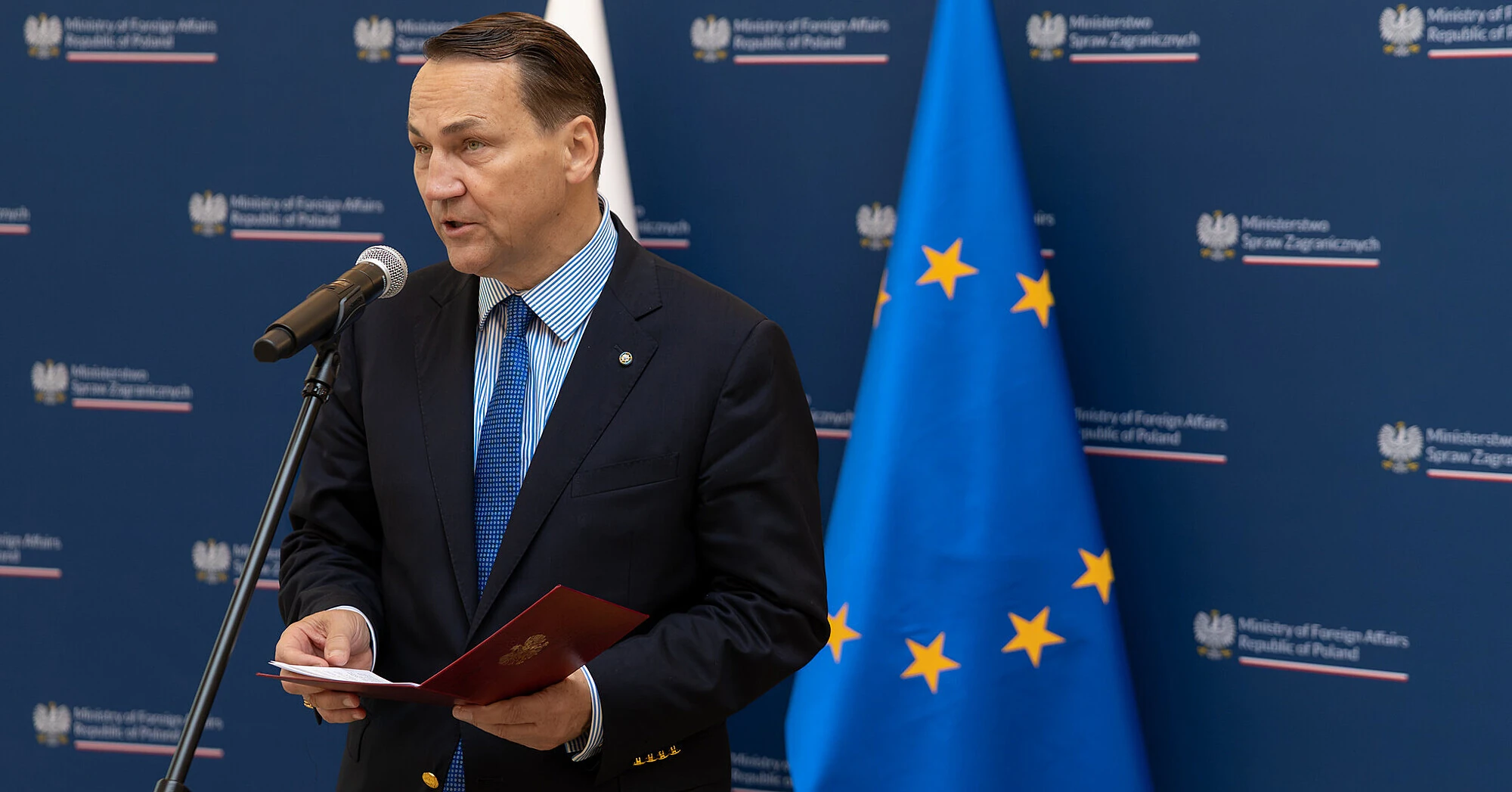
Poland is receiving information from several sources that Russia may be preparing a large-scale operation or provocation this year. One possible scenario Warsaw considers is false-flag actions, which the Kremlin could use as a pretext for a new mobilization in the Russian Federation.
Polish Foreign Minister Radosław Sikorski said this on September 24 during a discussion at the Council on Foreign Relations in New York. Polish TVP Info and Onet quote him speaking of signals from "many sources." Sikorski himself did not reveal the origin of this information and stressed that Moscow's specific plans are unknown.
According to the Polish minister's assessment, the Russian leadership may need a pretext to explain to its own population the necessity of a new mobilization. Among possible options, he named a false-flag operation — a staged attack, responsibility for which Moscow could attribute to an external adversary. This is Sikorski's assumption, not a confirmed scenario of Russian actions.
Sikorski identified the Baltic region as another potential direction. He drew attention to Narva in Estonia and cities in Latvia with a significant share of Russian-speaking population, as well as the Kremlin's strategic interest in a land corridor between Belarus and the Kaliningrad region. At the same time, the head of Polish diplomacy emphasized that Warsaw does not know what specific actions Moscow might take, so the task of allies is to be ready for deterrence.
Sikorski also considers a full-scale Russian ground invasion of NATO territory unlikely, as it would entail an obvious need for an Alliance response. In his opinion, Moscow might rather seek a less unambiguous scenario that would create political disputes among allies about the nature of the threat and the response under Article 5 of the North Atlantic Treaty.
The head of the Polish Foreign Ministry linked current Russian strikes near the Polish border to attempts to cut Western supply routes to Ukraine. According to him, such attacks pose a risk for Poland as well, since Russian munitions can deviate from their targets. Sikorski also stated that among the resources Moscow can still use in the war, he sees mobilization and attempts to inflict maximum damage on Ukrainian energy and economy in winter.
In the same discussion, Romanian Foreign Minister Oana-Silvia Țoiu drew attention to the growing number of incidents with Russian drones near and over her country's territory. According to official data from the Romanian Ministry of Defense, released at the end of July, since the beginning of the full-scale war, 33 cases of Russian drones entering Romanian airspace and about 50 cases of detecting drones or their fragments on Romanian territory have been recorded.
On September 24, another such incident occurred: a drone flew into Romania from Ukraine and fell in Suceava County. Romanian military scrambled fighter jets to control the airspace, and acting Defense Minister Radu Miruță stated that the device had somewhat new technical characteristics compared to previously investigated drones.
Based on materials from: TVP Info, Onet, Council on Foreign Relations
