
Norway plans to double strategic fuel reserves in case of crisis
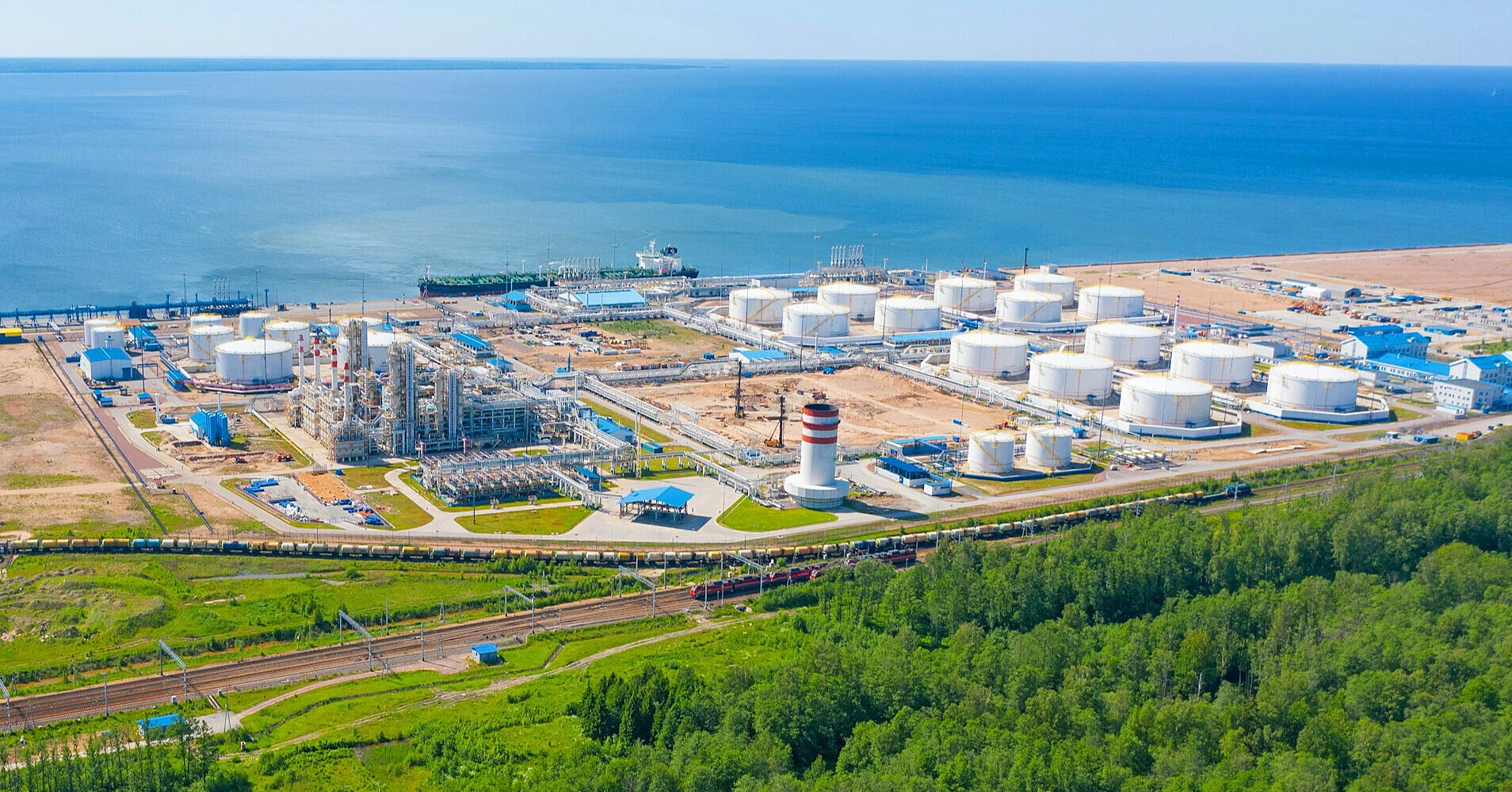
The Norwegian government plans to approximately double its strategic fuel reserves to strengthen the country's protection against prolonged supply disruptions. The reserves are expected to increase from the current level, equivalent to about 20 days of domestic consumption, to 40-45 days.
Minister of Trade and Industry Cecilie Myrseth informed NRK about the government's plans. According to her, the new system is planned to be rolled out gradually over three years.
The government justifies the decision by the deterioration of the international security situation and risks to energy supplies. Myrseth emphasized that fuel availability is critical not only for the population, but also for businesses and the operation of key public services.
Norway currently requires companies that produce or import petroleum products to maintain reserves at a level of about 20 days of domestic consumption. This indicator is lower than in many other International Energy Agency countries, partly due to Norway's status as a major oil producer and exporter.
At the same time, the government has not yet determined who will pay for the significant increase in reserves. When asked about possible state funding, Myrseth stated that she could not guarantee it. Under the current model, private companies in cooperation with the state provide the main fuel storage. Business representatives are already calling on the government to take on part of the additional costs.
In particular, the head of the Confederation of Norwegian Enterprise NHO, Ole Erik Almlid, has advocated for state co-financing. Leader of the Centre Party Trygve Slagsvold Vedum also considers the proposed level insufficient and points to much larger reserves in neighboring countries.
The government's plans are based on a study by Oslo Economics, which was commissioned at the beginning of the year. Experts recommended initially increasing domestic reserves to about 45 days of consumption, and in the long term bringing the overall level of fuel preparedness to 61 days, including through agreements to store some reserves abroad.
The authors of the study concluded that the current reserves are insufficient in the event of a prolonged supply disruption. The government previously stated that it would present specific proposals for the new reserve system to parliament within the state budget for 2027.
Thus, the main direction of the reform has already been determined—Norway is to move to significantly larger fuel reserves. At the same time, the key unresolved issue remains the distribution of costs between the state and fuel companies.
Based on materials from: NRK, Government of Norway
