
Russian billionaires study how Usmanov and Fridman managed to get out from under EU sanctions
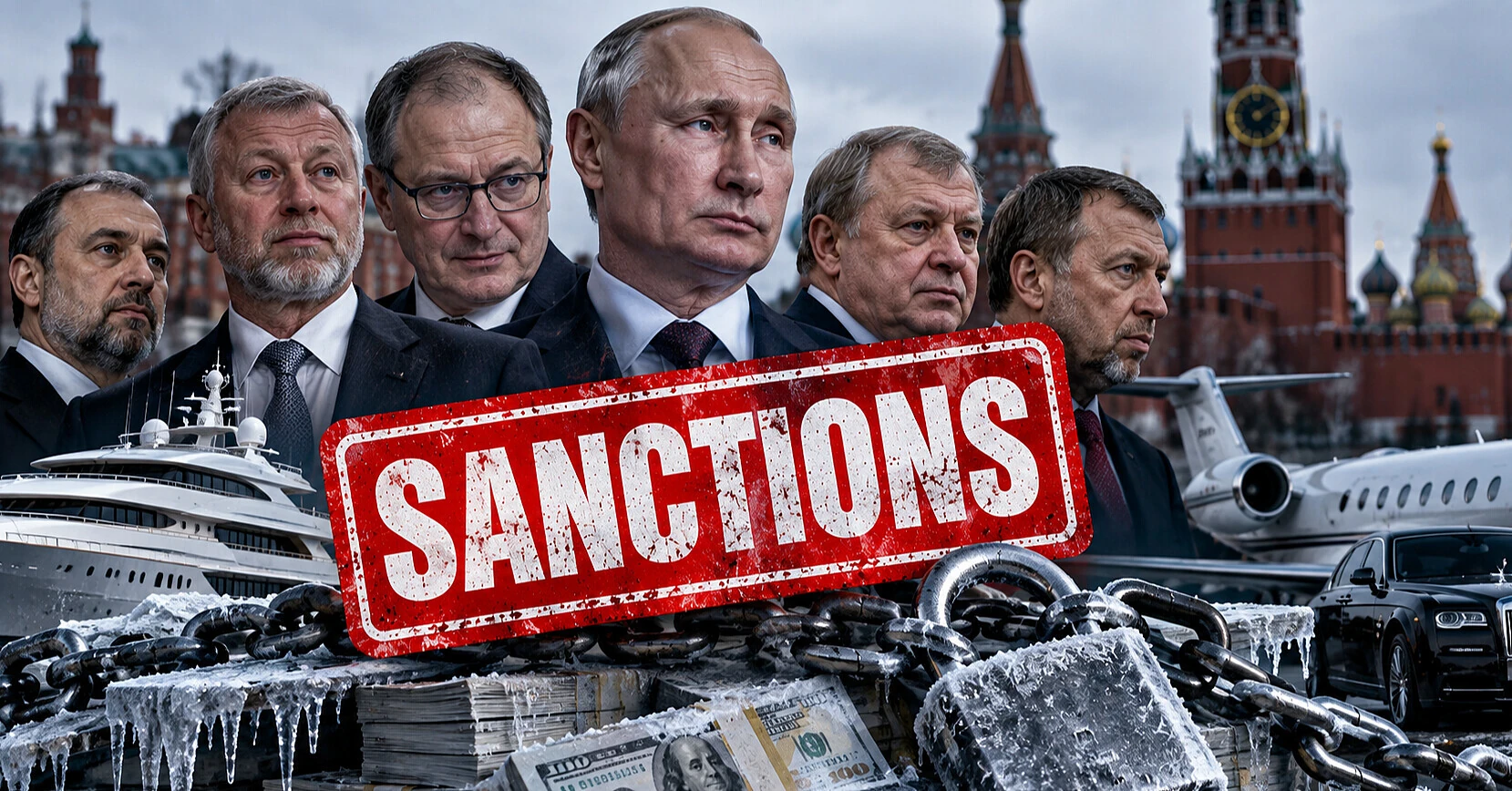
Russian big businessmen are analyzing the circumstances of the lifting of European Union sanctions on billionaires Alisher Usmanov and Mikhail Fridman, trying to understand whether similar political and legal mechanisms can be used for their own removal from sanctions lists.
About this Bloomberg writes with reference to people familiar with the situation.
According to the agency, a key role in Usmanov's case was played not by the Kremlin's actions, but by his own network of international connections. Bloomberg sources point to the Russian billionaire's relations with the leadership of Uzbekistan and Azerbaijan, which ultimately influenced the position of individual EU member states.
France came out in favor of Usmanov's removal from the sanctions list. As previously reported by the Financial Times, the issue turned out to be linked to negotiations on the release of two French citizens held in Azerbaijan. According to the publication, Baku linked their release to the lifting of European restrictions against the Russian billionaire.
Fridman, in turn, turned out to be the beneficiary of separate pressure from Luxembourg. That country sought his removal from the sanctions list amid a major investment dispute: the businessman's structures presented Luxembourg with claims of about 16 billion dollars due to frozen assets.
Bloomberg sources claim that Fridman himself did not expect such an outcome. After several years of legal disputes, he had practically lost hope of getting the restrictions lifted and learned about the EU's decision only after the relevant compromise was reached.
Thus, the two stories developed according to different scenarios: Usmanov used international connections, while in Fridman's case a substantial role was played by a legal and financial conflict with one of the EU member states.
Bloomberg notes that it is precisely this combination that has now attracted the attention of other Russian businessmen under European sanctions. They are studying what happened as a possible example that removal from the list can be achieved not only through courts, but also through relations with individual EU member states.
At the same time, the agency found no signs that Russian President Vladimir Putin directly participated in negotiations on lifting the restrictions. According to Bloomberg's interlocutors, Putin has repeatedly made it clear to Russian billionaires that they should resolve the issue of personal sanctions on their own.
The European Union extended on September 22 personal sanctions related to Russian aggression against Ukraine for three years—until September 22, 2029. They apply to more than 3 thousand individuals and legal entities and provide for asset freezes, a ban on providing them with funds, and travel restrictions.
At the same time, the EU Council decided not to extend the restrictions against three people and one organization. As part of the political agreement reached, Usmanov and Fridman came out from under European sanctions.
The EU decision does not mean a complete lifting of international restrictions on the businessmen. The United Kingdom stated that it will continue to apply its own sanctions to them. Estonia, which also opposed Brussels' decision, separately introduced national restrictions against Usmanov and Fridman.
