
El Niño strengthens: rice and palm oil may trigger a new wave of food price increases
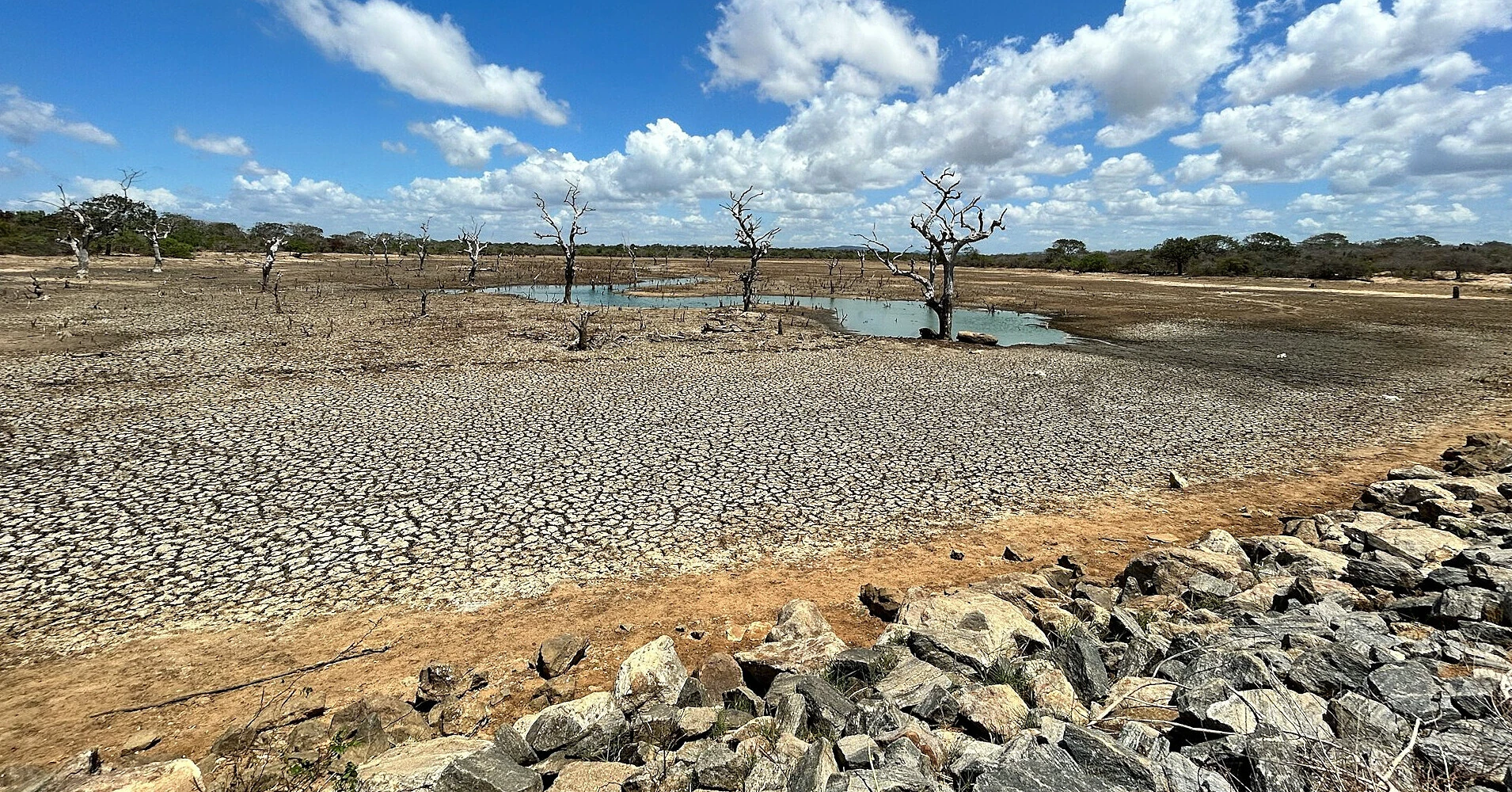
Strengthening El Niño creates a new risk for the global food market. The major agricultural regions of Asia, on which supplies of rice, palm oil and other products far beyond the continent depend, have come into heightened focus.
The World Meteorological Organization warns that the current El Niño continues to gain strength. The probability of its persistence at least until February 2027 is estimated at almost 100%, and by the end of 2026 the phenomenon may reach very high intensity.
For buyers this does not mean an inevitable price spike tomorrow. But if drought simultaneously hits several major exporters, reduced harvests could quickly affect international trade and the cost of food raw materials.
Rice is in one of the main risk zones
Particular attention is focused on South and Southeast Asia.
India, Vietnam and Thailand are among the world's largest rice exporters. That is why changes in rainfall in the region matter far beyond its borders.
Rice is especially sensitive to water shortages: planting dates and yields directly depend on seasonal rains and the state of reservoirs.
If water becomes scarcer, farmers have to increase irrigation costs, postpone planting or reduce sown areas.
Even the expectation of a weaker harvest can influence international prices. The situation becomes even more sensitive if producing countries begin to restrict exports in an attempt to contain food costs for their own populations.
Palm oil links Asian drought to shops worldwide
The second especially important category is palm oil.
Indonesia and Malaysia together provide about 85% of the world's supply of this raw material. It is used not only directly as vegetable oil, but is also an ingredient in a multitude of ready-made products and goods — from baked goods and confectionery to cosmetics and household chemicals.
Drought does not always affect plantations instantly. The oil palm is a perennial plant, so today's water shortage can reduce yields several months later.
Overly dry soil also complicates fertilizer application. If farmers are forced to postpone these operations, the consequences may appear even after the strongest phase of El Niño has ended.
Thus, weather stress in two countries can gradually spread to global production chains.
First signs of water deficit have already appeared
In some parts of Southeast Asia, the effects of drier weather are already noticeable.
In Indonesia, falling reservoir levels create additional pressure on agriculture, and dry conditions increase the risk of forest and peat fires.
In the Mekong basin, the combination of high temperatures and unstable rainfall poses a simultaneous risk to crop farming and fisheries, on which millions of people depend.
Especially important is the timing of the drought. The rainy season should not only support current crops but also replenish water stocks before the next agricultural cycle.
If this does not happen, the consequences may stretch far beyond a few dry weeks.
Raw material prices may rise more than 15% — but that is not a forecast for shop price tags
Analysts are already trying to estimate the potential financial effect.
Goldman Sachs, according to Associated Press, allows that under an unfavorable scenario a strong El Niño could raise global food raw material prices by more than 15%.
It is important to interpret this figure correctly.
It does not mean that rice, bread or oil in the supermarket will necessarily become 15% more expensive immediately. Raw material cost is only one component of the final price.
It is also influenced by energy and transport costs, packaging, wages, exchange rates, taxes and trade markups.
Moreover, the consequences of El Niño are not the same for different parts of the world. In some places it raises the risk of drought, while in other regions it can bring heavy rains and floods.
Therefore, what is critical for the market is not the mere fact of El Niño, but the coincidence of poor harvests in several major exporting regions at once.
UN received only about a fifth of the money for preparedness
Additional concern is raised by funding for preventive measures.
FAO and the UN World Food Programme requested $202 million to help 8.8 million people in the 22 most vulnerable countries before extreme weather causes major crop losses.
However, by the end of September, according to FAO, only about $40 million had been raised — roughly a fifth of the needed amount.
The money is intended not only for post-disaster humanitarian assistance. It is supposed to be used ahead of time — for drought- and flood-resistant seeds, water reserves, livestock protection, cash support for families and early warning systems.
The logic of such programmes is that saving harvests and incomes before a crisis is usually cheaper than paying for large-scale assistance after it.
For poor countries the risk is far more serious than price increases
In developed economies, the consequences of El Niño may manifest primarily through more expensive food and occasional supply disruptions.
For countries already facing food shortages, the blow could be much heavier.
The World Food Programme estimates that by the end of 2027, the consequences of the current El Niño could drive at least 49 million additional people into acute food insecurity.
The reason is that harvest losses act in several directions at once: less food is available, prices rise, and farming families simultaneously lose their own income.
The situation is complicated by high fuel and fertilizer costs. The more expensive irrigation, transportation and field treatment become for farmers, the harder it is to compensate for adverse weather.
The most sensitive months are still ahead
For now it is premature to talk of a new global food crisis.
Even a very strong El Niño does not mean that harvests will necessarily decline in all countries simultaneously. The actual outcome will depend on rainfall, temperatures, water reserves and the decisions of farmers and governments in the coming months.
But the combination of factors makes late 2026 and early 2027 especially important for the food market.
Rice, palm and other vegetable oils remain in focus, as well as goods whose production depends on these raw materials.
This story differs from the already seen rise in the global food price index. Now we are talking about the next potential source of pressure — not a lost harvest yet, but a climatic risk to future supply.
If a strong El Niño does lead to drought in several key Asian regions at once, the consequences could travel the whole chain — from fields and plantations to global commodity markets and shop price tags.
Based on materials from: World Meteorological Organization (WMO), Food and Agriculture Organization of the UN (FAO), UN World Food Programme (WFP), Associated Press.
