
Oil prices rise after failure of US-Iran agreements
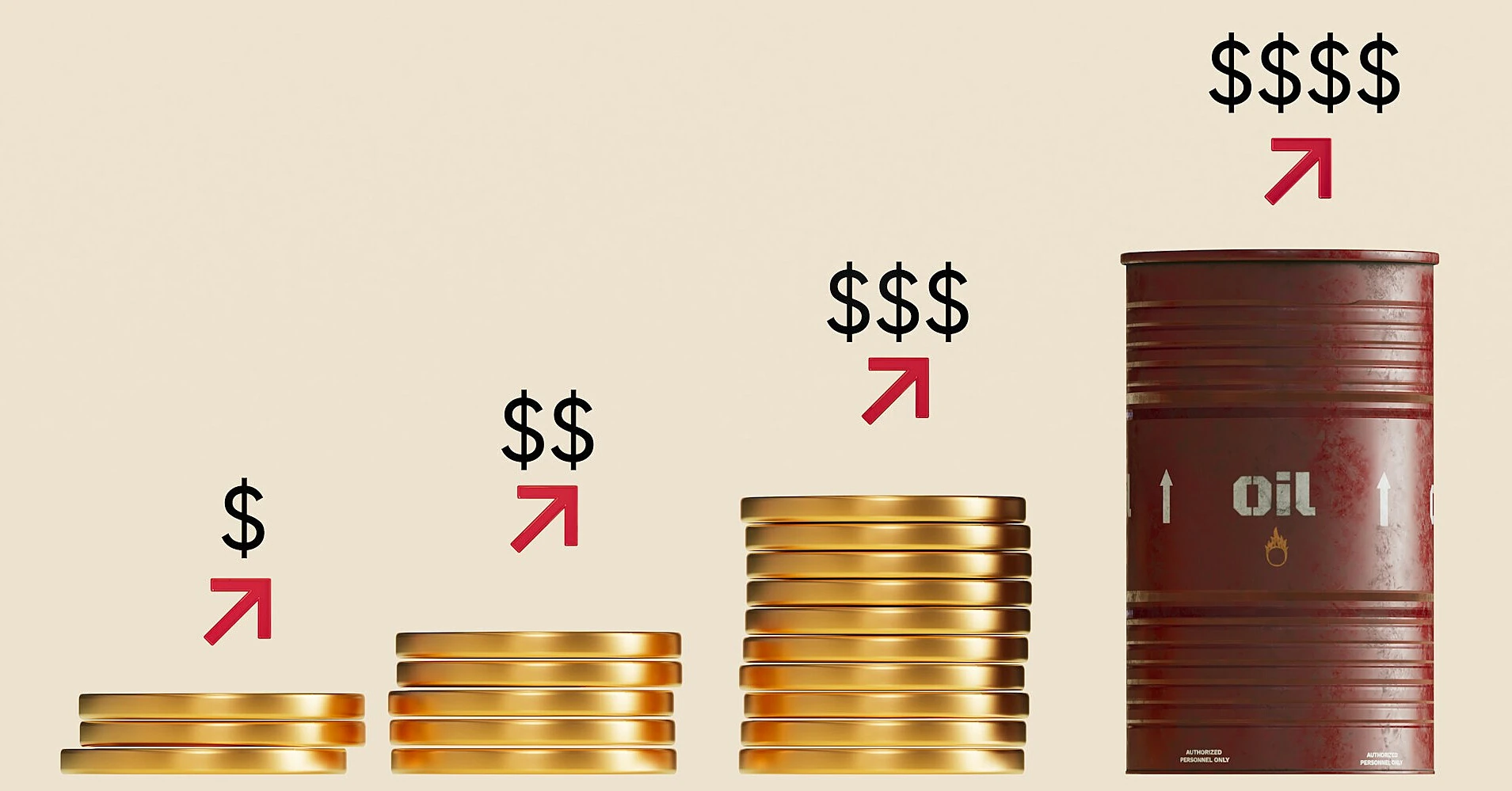
Oil prices rose on Monday, September 28, after Iran refused to soften its conditions for resuming full shipping through the Strait of Hormuz. The day before, US President Donald Trump rejected Tehran's proposed settlement plan.
According to Bloomberg, Brent rose to about $107 per barrel, while American WTI exceeded $94. The market is again pricing in the risk that the restoration of normal traffic through one of the world's most important energy supply routes will be delayed.
Iran insists on its seven-day plan to open the Strait of Hormuz and says it does not intend to soften the conditions it has put to Washington. Iranian Foreign Minister Abbas Araghchi noted that Tehran is still awaiting an official response through intermediaries and considers negotiations the only way out of the current impasse.
Earlier, Trump publicly rejected Iran's latest proposal. According to Axios, Tehran offered to resume traffic through the strait within seven days and return to nuclear talks if the US lifted the naval blockade, eased sanctions on Iranian oil sales, and a ceasefire in the region was restored.
Trump said these conditions are unacceptable for Washington. At the same time, on Sunday he told Axios that he expects negotiations with Iran to continue this week. According to him, Tehran is putting forward conditions that the US could have agreed to about a year ago, but now Iran, in the American president's opinion, has "overplayed its hand."
Al Jazeera notes that Trump's rejection indicates Washington's desire to obtain broader concessions from Tehran than the current proposal provides. The US, in particular, wants to link the Hormuz Strait agreements with nuclear issues, while Iran is trying to focus negotiations on ending hostilities, the blockade, and restoring shipping.
The uncertainty surrounding Hormuz remains one of the main factors for the oil market. Before the conflict, about one-fifth of the world's oil and liquefied natural gas supplies passed through the strait. Currently, some tankers pass under American protection, but volumes remain below pre-war levels.
Meanwhile, the market does not yet expect an immediate full opening of the strait. Therefore, the price reaction remains moderate: traders are assessing not only the progress of negotiations, but also actual supply volumes from the Middle East and possible new US steps in the oil market.
Oil remains significantly more expensive than at the beginning of the year. According to Bloomberg, Brent has risen by about 75% since the beginning of 2026 amid the prolonged US-Iran conflict, supply disruptions, and risks to the Strait of Hormuz.
Based on materials from: Bloomberg, Axios, Al Jazeera
