
US and China agree to mutually reduce tariffs on part of trade
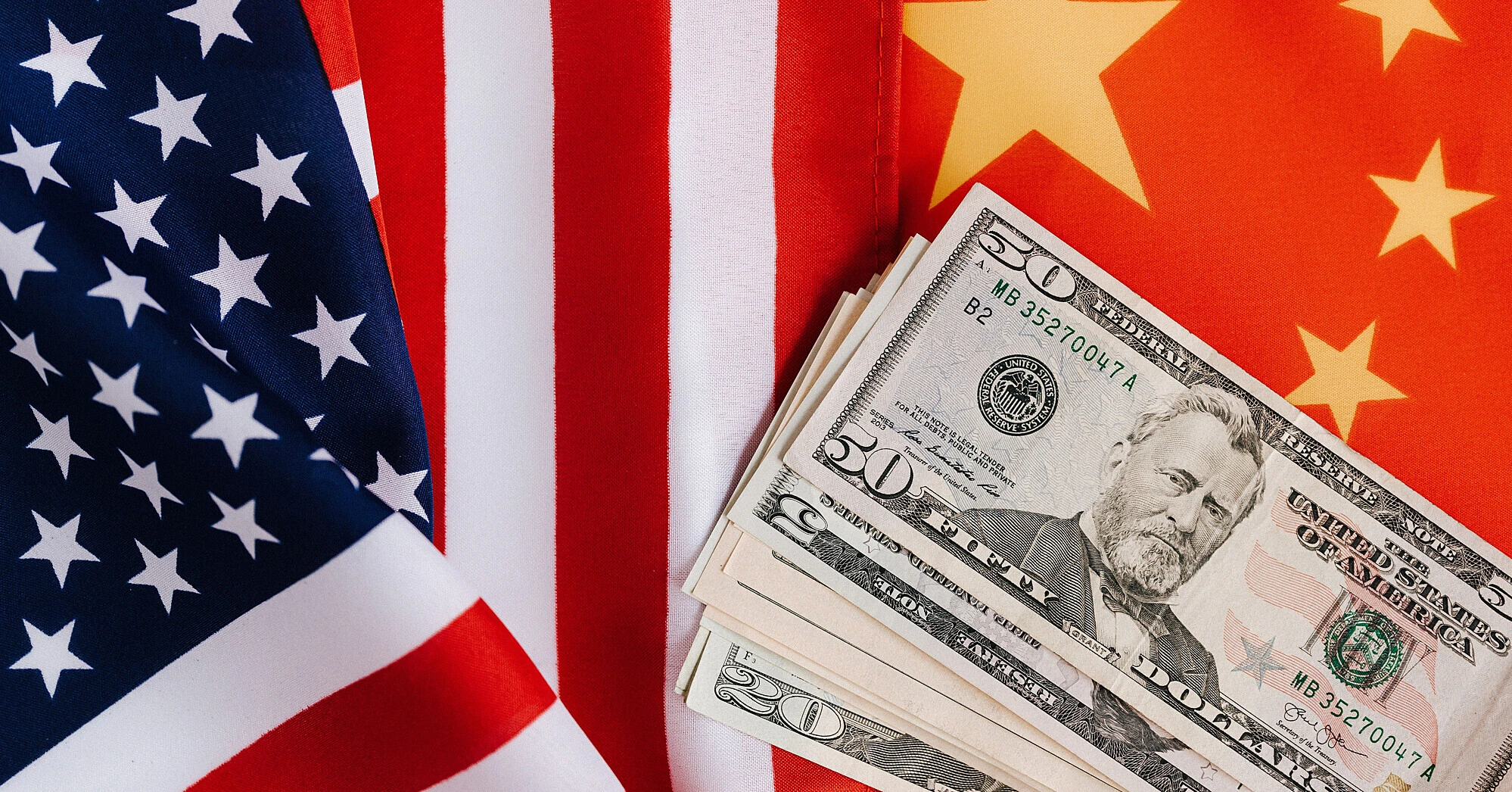
The US and China have reached an agreement on mutual tariff reductions on certain groups of goods. The new mechanism will cover approximately equal volumes of imports from each side, and for most of the goods included in it, additional tariffs should be abolished.
The Ministry of Commerce of China reported on reaching consensus on September 28. This concerns about $30 billion of Chinese goods imported by the US and about $30 billion of American goods entering the Chinese market.
According to Beijing, for more than 90% of the goods on the agreed lists, the parties will cancel additional mutual tariffs and apply ordinary most-favored-nation rates.
The US plans to reduce tariffs, in particular, on Chinese toys, household appliances, children's goods, kitchen and bathroom products, as well as some seasonal and holiday goods.
China, for its part, included American agricultural products, personal care products, medical equipment and coal in the mechanism. The White House also named agricultural products, fish and seafood, wood, cosmetics and medical devices among American goods.
The agreement does not yet mean an immediate reduction in tariffs. Washington and Beijing must complete the procedures provided for by domestic legislation, after which they plan to launch tariff relief simultaneously.
The new mechanism will operate within the US-China Trade Council, the creation of which the parties agreed earlier this year. In addition to the tariff issue, a separate working group on agriculture is being created under it, which will deal with regulatory barriers and market access.
For trade relations between the world's two largest economies, this is a transition from preliminary consultations to specific lists of goods and a mechanism for reducing rates.
Earlier, "Kurs Ukrainy" wrote that Washington and Beijing were only discussing the creation of such a "corridor" for about $30 billion of trade from each side. At that time, there was no final agreement on goods and tariffs yet.
Based on materials from: Ministry of Commerce of the PRC, White House
