
Ukraine's strikes on Russia are pushing Moscow toward negotiations — U.S. Ambassador to NATO
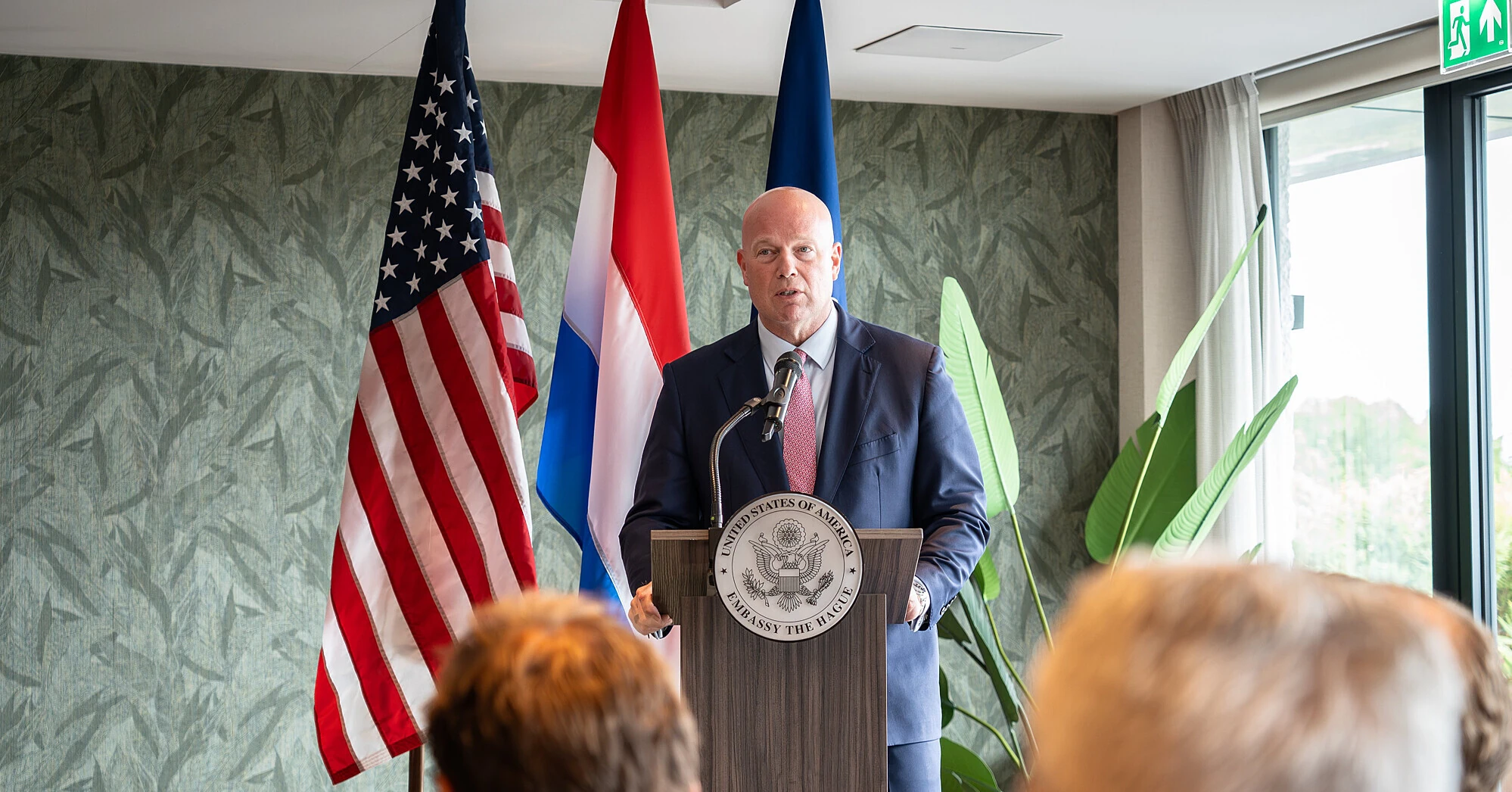
Ukrainian strikes on targets inside Russia are increasing pressure on Moscow and, according to U.S. Ambassador to NATO Matthew Whitaker, helping to bring the parties closer to negotiations on ending the war.
Whitaker said that Ukraine's continued powerful attacks inside Russia are one of the factors that, in his assessment, is forcing the parties to move closer to the negotiation process.
However, the American diplomat acknowledged that Kyiv's and Moscow's positions on key issues still differ significantly. In his opinion, achieving an agreement will require readiness for negotiations by both sides, and if Vladimir Putin does not agree to a compromise, it will be impossible to conclude a deal.
Whitaker also stressed that the administration of U.S. President Donald Trump continues contacts with both Ukraine and Russia, trying to find points for resuming the diplomatic process.
His statement came amid a new diplomatic round by Washington. According to Axios, the American side is currently pushing several possible steps for de-escalation: mutual cessation of strikes on energy infrastructure, restoration of the Black Sea grain corridor, and holding a trilateral meeting of the U.S., Ukraine and Russia.
President Volodymyr Zelenskyy has said that Ukraine is ready to consider mutual cessation of strikes on energy facilities. At the same time, the implementation of such an agreement also depends on Moscow's position.
Ukraine has significantly intensified long-range attacks on Russian military, oil and logistics infrastructure in recent months. Zelenskyy previously directly linked this campaign to the need to increase the cost of continuing the war for Russia and create additional pressure for transitioning to real negotiations.
In particular, the Ukrainian side has struck oil refineries, fuel depots and other facilities related to supporting the Russian army. The consequences of these attacks have become one of the factors in the reduction of oil product production in Russia and increased tension in the fuel market.
Meanwhile, NATO still does not see signs that Russia itself has abandoned the continuation of the war. In early September, the Alliance's Deputy Secretary General Radmila Shekerinska stated that Moscow is not demonstrating readiness to end the aggression, so Ukraine's partners need to maintain pressure on Russia and military support for Kyiv.
Thus, Whitaker's assessment reflects the American diplomat's position on the effect of Ukrainian strikes, but for now, in itself, does not mean that Moscow has agreed to a new round of negotiations or changed its key demands.
