
Germany already broke annual solar electricity production record in September
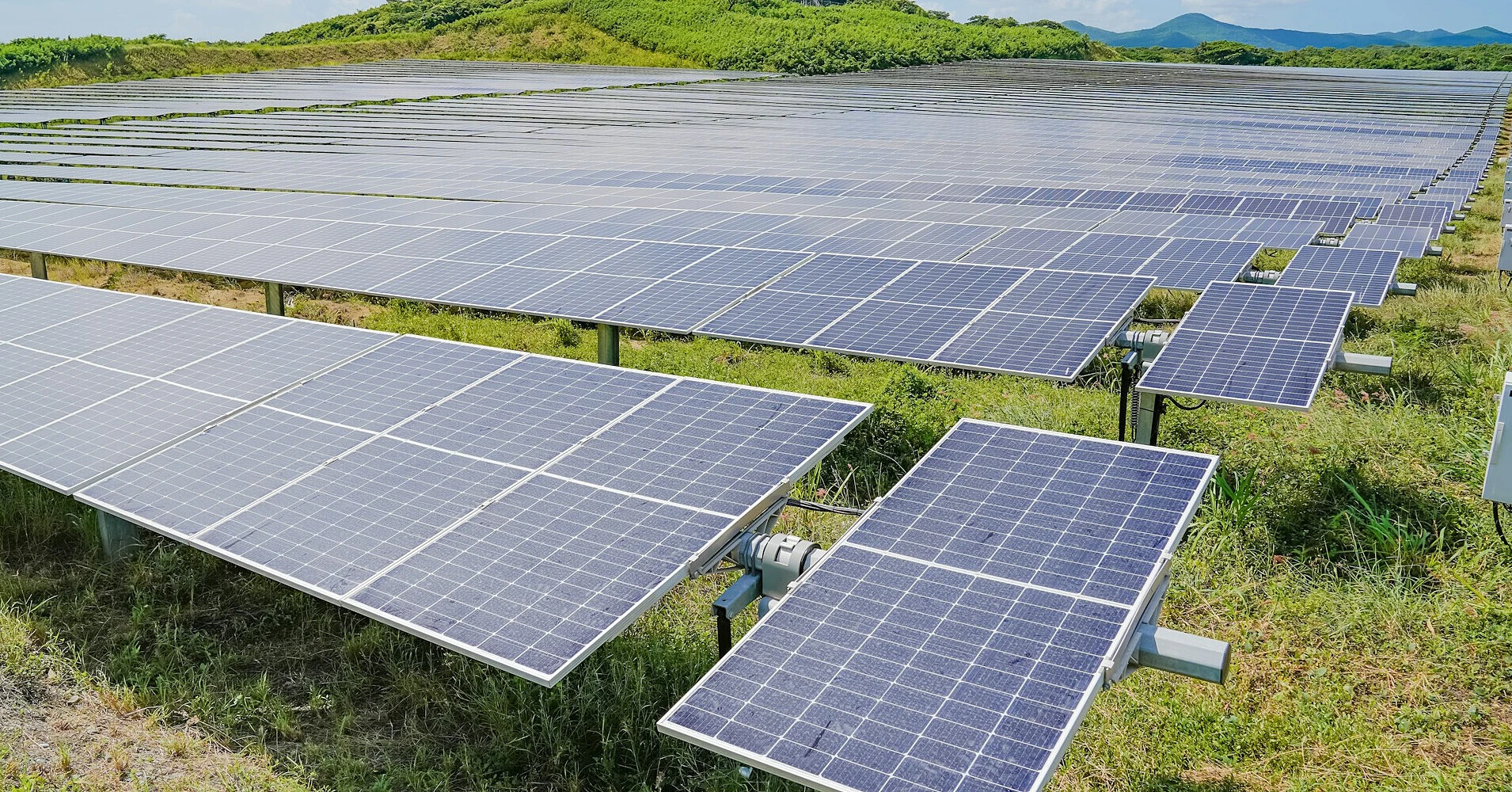
Germany has already exceeded its total solar electricity production for the entire year 2025 even before the end of September. The new record was driven by the simultaneous expansion of photovoltaic capacity and a high number of sunshine hours.
This is reported by Tagesschau, citing the German Solar Industry Association BSW-Solar and data from the Energy-Charts platform of the Fraunhofer Institute for Solar Energy Systems ISE.
As of September 27, Germany's solar power plants had produced 90.2 TWh of electricity since the beginning of the year. For the whole of 2025, the figure was around 90 TWh.
Thus, last year's result was exceeded approximately three months before the end of 2026.
BSW-Solar attributes the record to a combination of two factors: Germany experienced an unusually high number of sunshine hours this year, and the installed capacity of photovoltaic systems continued to grow. New panels were installed on residential and commercial buildings, as well as in ground-mounted solar farms.
The industry association even declared September 27 as "Solar Day" — the day when solar electricity production in 2026 exceeded the total output of the entire previous year.
Solar generation in Germany has been growing rapidly for some time. According to Fraunhofer ISE, in 2025 photovoltaic installations produced approximately 87 TWh of electricity based on the institute's annual analysis methodology, which was about 21% more than the year before.
At the end of 2025, the installed capacity of solar modules in Germany reached about 116.8 GW. Over the course of that year alone, the country added roughly 16.2 GW of new photovoltaic capacity.
Growth continued in 2026. In the first half of the year, solar power plants fed a record 43.2 TWh of electricity into the public grid. The share of renewable sources in Germany's net public electricity generation during this period was 61.8%.
At the same time, BSW-Solar warns that planned changes to the Renewable Energy Act and grid regulations could slow down further investments. In particular, from 2027, small private solar installations up to 25 kW may lose part of their permanent state support.
Based on materials from: Tagesschau, Fraunhofer ISE
