
Poland will allow faster downing of air targets from Russia's side
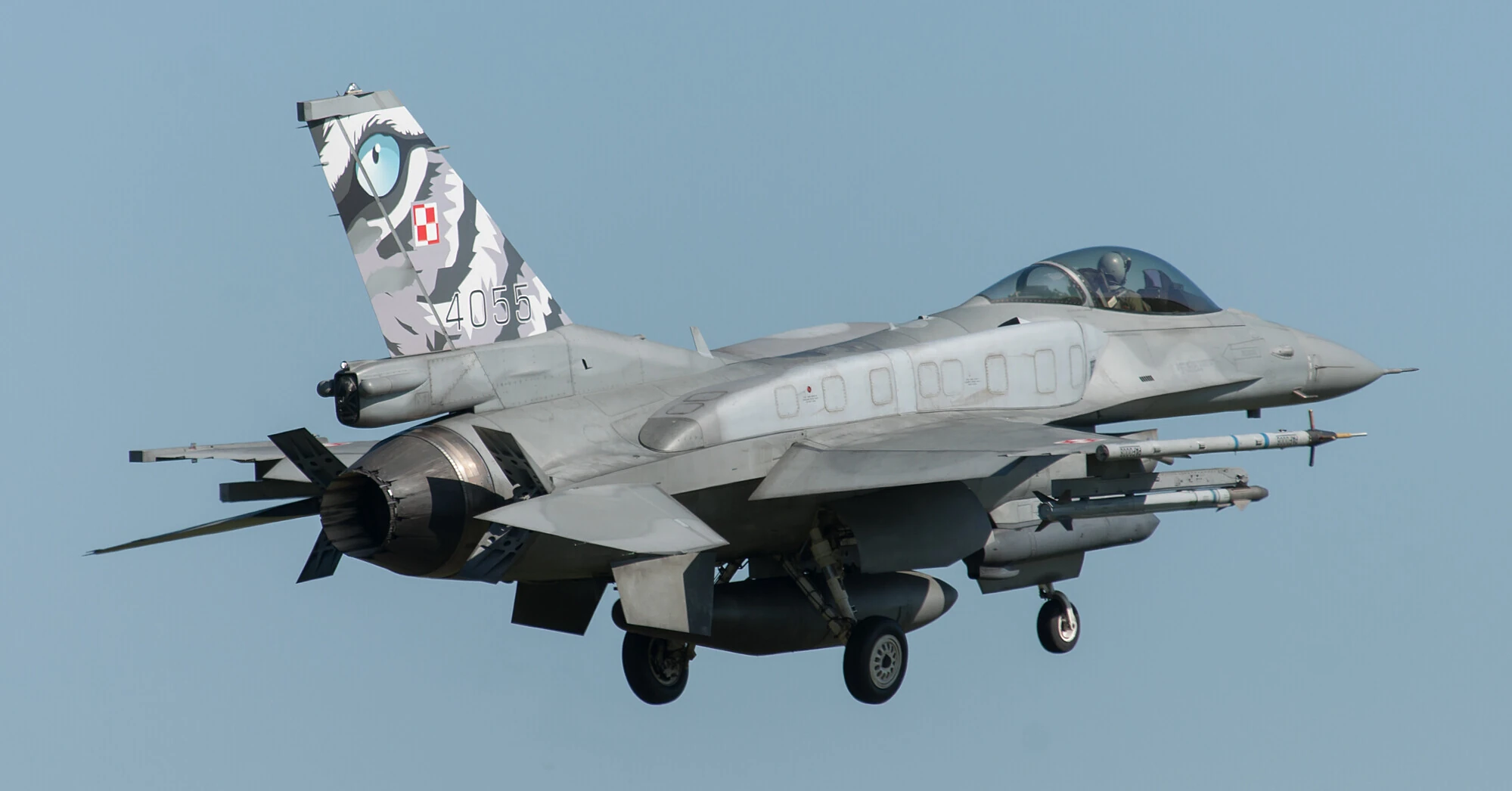
Poland in the coming days will change the procedures for using fighter jets and military helicopters against aerial objects approaching from Russia's side. The new rules will allow decisions to use weapons without mandatory visual identification of the target.
This was announced on September 28 by Deputy Minister of National Defense of Poland Cezary Tomczyk, reports RMF24.
Currently, in peacetime, the standard procedure is visual identification: a military aircraft must approach an unidentified object so that the pilot can determine what exactly he sees. The Polish Ministry of Defense wants to replace this principle with so-called positive identification.
After the rule change, the pilot or operational commander will be able to decide to destroy a foreign aircraft based on radar data or other information entering military systems. Details of the future procedure are also reported by TVP Info.
According to Tomczyk, the change should speed up the reaction of the Polish military to a potential threat. He noted that in the current conditions, Poland cannot remain inactive, as the number of aerial threats may grow.
The decision to change procedures was made by the operational commander of the Polish Armed Forces, General Ireneusz Nowak. Tomczyk called the new approach a certain novelty for NATO, where in peacetime visual identification is used, in particular, to reduce the risk of mistakenly hitting a civilian or allied aircraft.
Poland in recent weeks has been strengthening the protection of its airspace amid Russian attacks on western regions of Ukraine and a series of incidents near the Polish border. On September 17, the Polish command had already given an order to destroy an aerial target if it crossed the state border.
