
Pentagon awarded a $20.7 bln contract to boost AMRAAM missile production
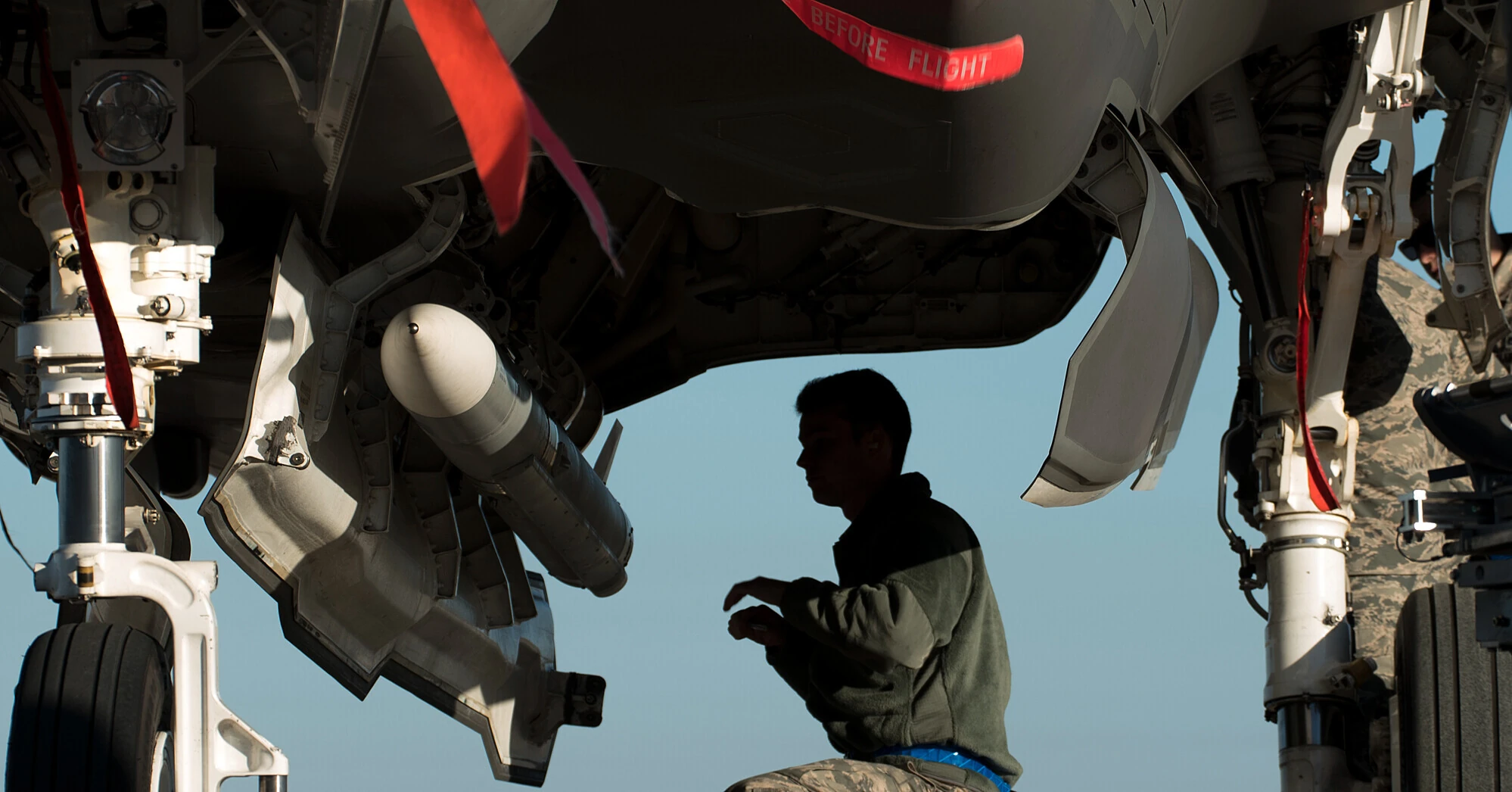
American Raytheon received a multi-year Pentagon contract for the production of AMRAAM missiles with a maximum value of up to $20.7 bln. The agreement is intended to accelerate ramping up production of these missiles to a record level.
According to parent company RTX, the contract is for five years with the possibility of extension for another two years. It became part of the American program for accelerated replenishment of critical munitions stocks.
The new agreement continues arrangements reached by Raytheon and the Pentagon in early 2026. Under them, the company is to increase production capacity to at least 1,900 AMRAAM missiles per year – the highest level in the history of the program.
RTX is already ramping up capacity to fulfill new orders. Company data show that in 2025, production of AMRAAM and other critical munitions grew substantially, and production of AMRAAM itself nearly doubled compared to the previous year. For further scaling, Raytheon is investing in production facilities, equipment, personnel, and supply chains.
AMRAAM is a medium-range air-to-air missile with an active radar homing system. It is used by the U.S. Air Force and Navy, as well as U.S. international partners. The missile is also the primary interceptor for the ground-based NASAMS surface-to-air missile system.
According to RTX, various versions of AMRAAM are integrated with 14 platforms and in service with 44 countries. Over its service life, the missiles have performed over 7,000 combat and test launches.
The AMRAAM contract is part of a broader U.S. program to sharply expand munitions production. In February, Raytheon also agreed with the Pentagon to increase production of Tomahawk missiles to over a thousand per year, and SM-6 to over 500.
