
Shell launches second phase of Canada's largest LNG project
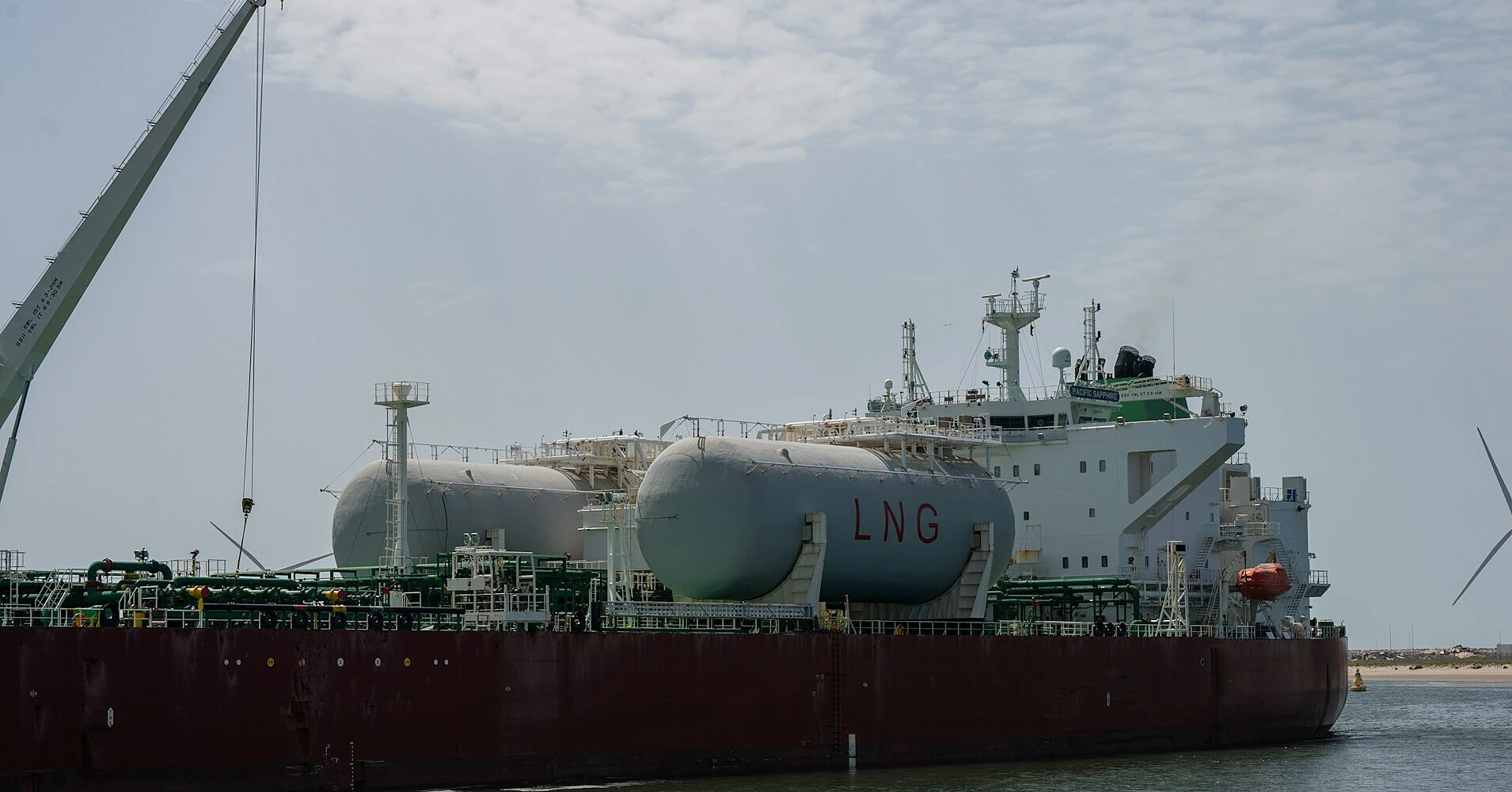
Participants in LNG Canada, led by Shell, have made the final investment decision on the second phase of Canada's largest liquefied natural gas export project. The expansion is expected to double the production capacity of the terminal in British Columbia.
This is reported by Bloomberg. Earlier, the partners had been going through internal approval procedures for the investments for several months, and the final decision was expected by the end of 2026.
LNG Canada is located in Kitimat on Canada's Pacific coast. The current first phase of the facility is capable of producing about 14 million tonnes of LNG per year. The second phase involves adding about 14 million tonnes of annual capacity, bringing the total to 28 million tonnes.
The project is led by Shell, which owns 40%. Other participants include Malaysia's Petronas, China's PetroChina, Japan's Mitsubishi Corporation, and South Korea's KOGAS. Shell calls LNG Canada the largest private energy investment in the country's history.
The Canadian government has estimated the potential volume of private capital associated with the second phase of LNG Canada at approximately 33 billion Canadian dollars. The authorities expect that after the expansion the facility will become one of the largest LNG terminals in the world.
Back in May, project participants allocated additional hundreds of millions of dollars for engineering work, preparation of long-lead equipment orders, and completion of commercial agreements ahead of the final investment decision. At that time, the governments of Canada and British Columbia agreed with LNG Canada to accelerate preparations for the second phase.
The expansion comes amid increased global market attention to the reliability of gas supplies. Canadian authorities expect LNG Canada to help the country diversify exports and increase shipments to Asian and European markets.
The first LNG cargo from the Canadian terminal was shipped in the summer of 2025. The project receives gas from western Canadian fields and has direct access to Pacific supply routes to Asia.
Sources: Bloomberg, Shell, Canadian government
