
Putin has strengthened control over the export of cash from Russia
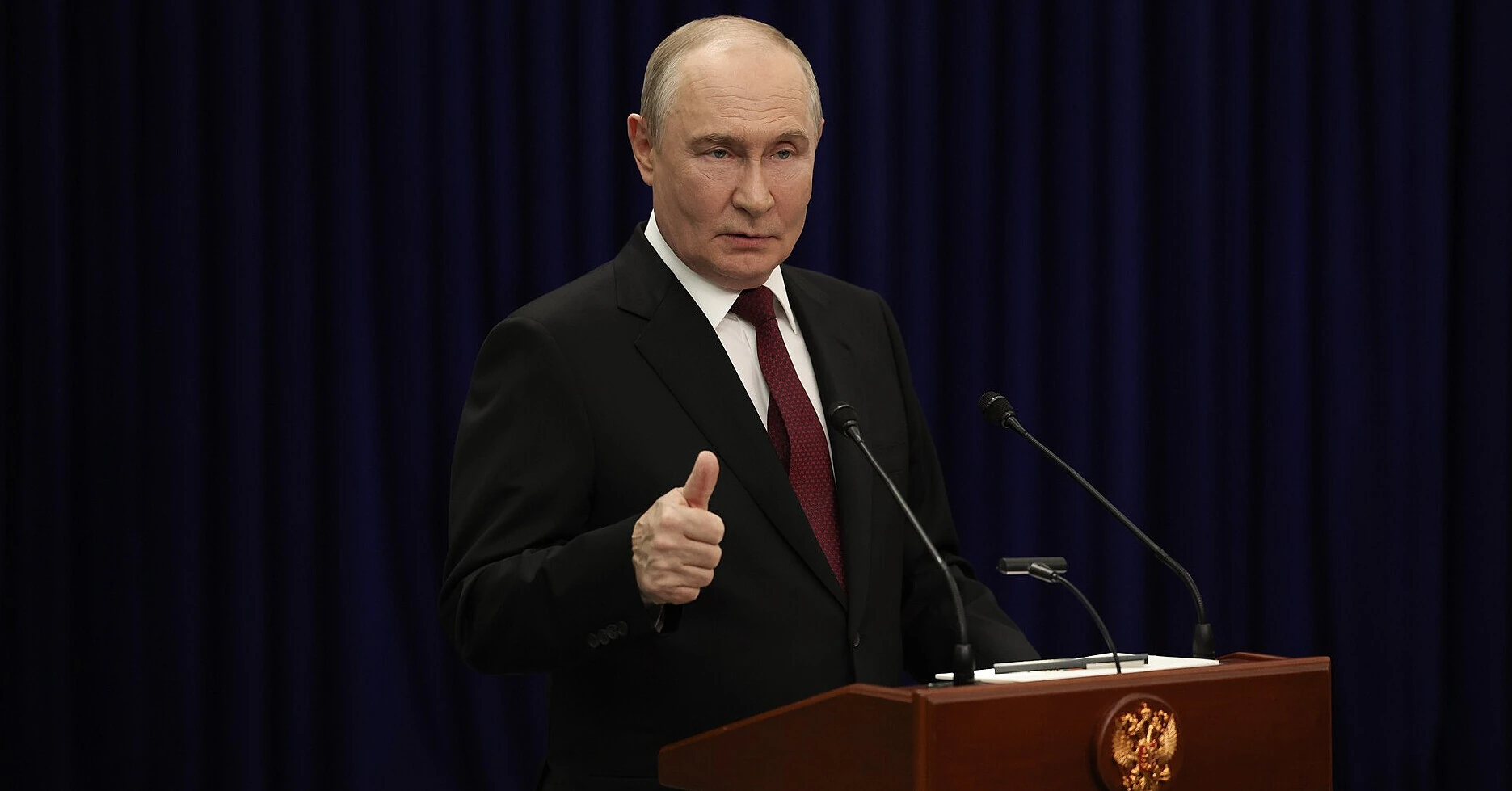
Russian President Vladimir Putin has tightened restrictions on the export of cash rubles from Russia. For individuals, a limit of 1 million rubles has been set, and the list of countries to which the rules apply has been expanded.
This is stated in the decree amending document No. 193 of March 25, 2026, which regulates the special procedure for exporting cash national currency and gold from Russia.
Under the new rules, individuals are prohibited from exporting more than 1 million rubles in cash to the countries of the Eurasian Economic Union, as well as to Azerbaijan, Tajikistan, and Uzbekistan. The EAEU includes Armenia, Belarus, Kazakhstan, and Kyrgyzstan together with Russia.
For legal entities and individual entrepreneurs, the ban will apply regardless of the amount.
At the same time, the document provides for an exception. Amounts exceeding the established limit may be exported through government-designated international airports, if for the entire amount there are certified bank statements confirming the withdrawal of rubles from a bank account or deposit. The government will also be able to determine a list of other documents confirming the origin of the cash.
Separate exceptions are provided for legal entities engaged in international transport with points of departure and destination outside Russia, as well as for ensuring the work of diplomatic and consular missions and representations of international organizations.
The decree introduces a mechanism for confiscating funds in case of violation of restrictions. For individuals, the part of cash exceeding 1 million rubles is subject to confiscation. For legal entities and individual entrepreneurs, in such a case, the entire amount attempted to be exported may be confiscated.
The Russian government, together with the Central Bank, must approve within three months the procedure for accounting for cash rubles exported from the country in accordance with the new rules.
This is a notable tightening of the regime introduced in the spring. From April 1, for individuals exporting rubles to EAEU countries, a much higher threshold was in effect - an amount equivalent to $100 thousand. Now it has been replaced by a fixed limit of 1 million rubles and at the same time the restrictions have been extended to Azerbaijan, Tajikistan, and Uzbekistan.
Thus, the Russian authorities are not introducing an absolute ban on the movement of large sums of cash rubles, but are bringing such operations under significantly stricter documentary control.
