
FX market ends September without a new exchange-rate spike
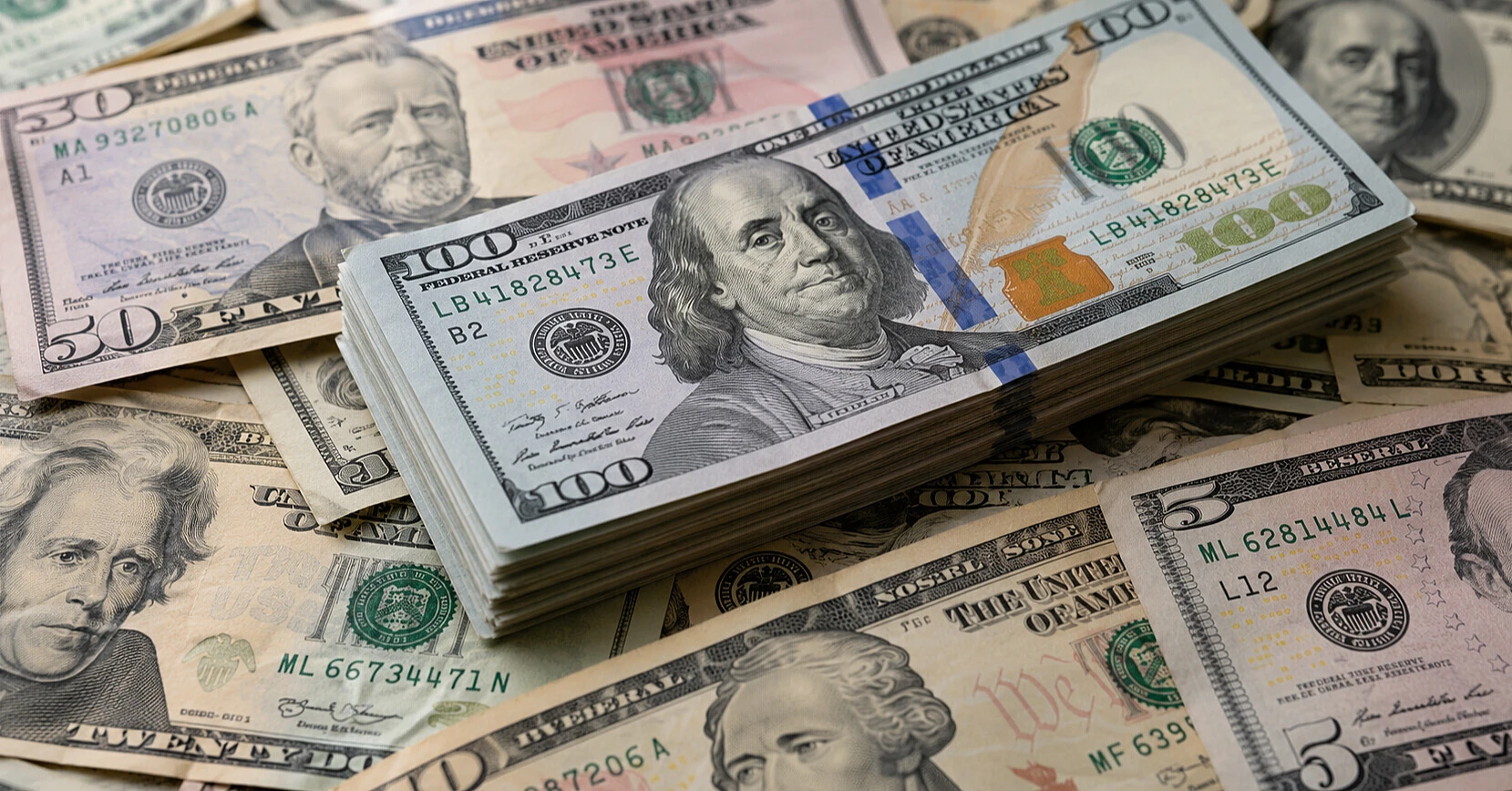
On Wednesday, September 30, the National Bank set the following official exchange rates: - US dollar – 44.8624 UAH (+0.0471 UAH from the official rate on Tuesday, September 29); - euro – 50.9278 UAH (-0.0465 UAH from the official rate on Tuesday, September 29).
The rates were set at 16:00 on September 28 and reflect the following trends:
1. In recent days, the interbank foreign exchange market saw increased fluctuations in non-cash dollar quotations. Today, after yesterday's rise, the number of sellers of foreign currency increased, causing dollar quotations to fall. However, in the first half of the trading session, deals ranged from 44.90 to 44.92 UAH, so at 12:00 the average deal price was 44.8991 UAH – 10.5 kopecks higher than on Monday. Last Friday. After lunch, quotations continued to decline; shortly before the close of trading, they reached 44.70 UAH on the bid side. By the end of the trading session, the average price had declined somewhat but remained higher than on Monday. Therefore, the NBU raised the official dollar rate for tomorrow by 4.7 kopecks, although in fact the interbank rate fell.
2. On the international FOREX market, the euro continued to fall against the US dollar on Tuesday and by the time of writing dropped to 1.13301 dollars. At the time of fixation, the euro was sold at 1.1352 dollars – 22.3 pips lower than on Monday (1.13743 dollars). Therefore, despite the increase in the official dollar rate, the NBU lowered the official euro rate for Wednesday by 4.65 kopecks.
The cash market continues its "rollercoaster". Just as yesterday prices rose following interbank quotations, today they uniformly fell as soon as the non-cash dollar started to depreciate again. At wholesale exchange offices in the capital, in the evening dollars could be bought at 44.85 UAH (5 kopecks cheaper than yesterday). In Kharkiv, the dollar fell by 9 kopecks, in Dnipro – by 10 kopecks, in Lviv – by 3, and in Odesa – by 6 kopecks.
September is drawing to a close, and a surprising fact can now be noted: the National Bank managed not only to keep the dollar exchange rate on the interbank market but also indirectly to ensure relative stability of cash dollar and euro.
