
Russia changes tactics of strikes on Kyiv before winter - The Economist
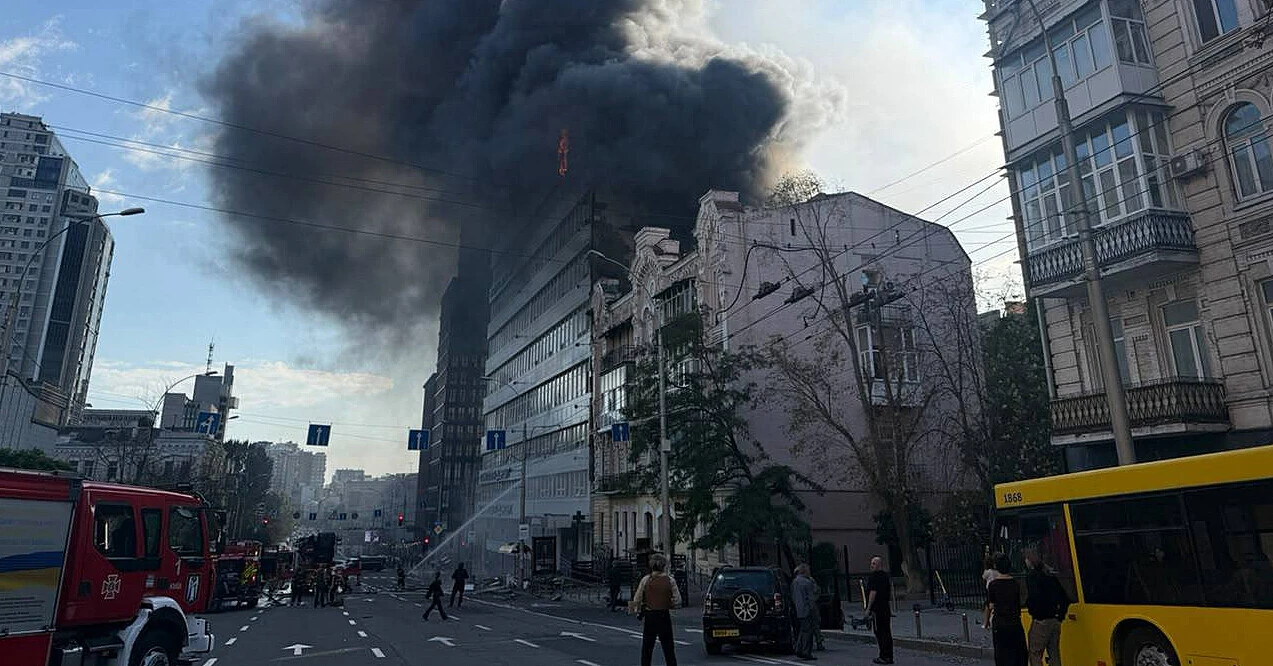
Russia is preparing to intensify air attacks on Kyiv before the start of winter, combining strikes on infrastructure with broader use of jet drones. According to The Economist, Ukrainian intelligence assesses Russia's current actions as a comprehensive campaign aimed at disrupting normal functioning of the capital and increasing public tension. The outlet cites two senior Ukrainian officials, so these assessments should be considered as data from its sources.
According to the outlet's interlocutors, the campaign includes air strikes, sabotage activities, and attempts to destabilize the situation in the city. One of them named data centers and large shopping facilities among potential targets. In parallel, Russia continues the tactics familiar from previous winters of striking energy and utility infrastructure - power grids, water supply, and pumping systems.
Meanwhile, the most noticeable change in Russian tactics is the rapid build-up of jet Shaheds. Such devices fly significantly faster than conventional strike drones, making some cheap interception means less effective against them. The Economist, citing a representative of Ukrainian special services, writes that Russia has accumulated significant stocks of such UAVs and simultaneously increases its stockpile of ballistic missiles.
Recent attacks confirm a sharp increase in the share of jet drones. On September 28, President Volodymyr Zelenskyy reported that in just one day Russia used more than 120 Shaheds, about 90 of which were jet-powered. The overall effectiveness of drone interception was about 70%, while that of jet drones specifically was only 57%.
Ukraine is already testing special high-speed interceptors. Some combat groups are using them in real conditions, but the system still requires technical refinement and scaling of production. Earlier, Ukrainian authorities directly identified the creation of a mass and relatively cheap means of combating jet Shaheds as one of the main tasks for the defense industry.
The second weak point remains missile defense. Ballistic missiles carry a much larger payload and are more difficult to intercept. On September 24, after successive ballistic attacks on Kyiv, Zelenskyy stated that against such targets Ukraine effectively depends on Patriot interceptor missiles and needs their constant replenishment.
Therefore, the Russian campaign creates two different problems for Ukrainian air defense simultaneously: expensive ballistic missiles require scarce Patriot interceptors, while mass jet UAVs require a much cheaper defense system, which Ukraine is still bringing to the necessary scale.
At the same time, the possibility of quickly paralyzing Kyiv with strikes remains uncertain. The Economist notes the decentralized internet infrastructure of the capital and the significant experience of Ukrainian energy workers and repair services accumulated over previous years of attacks. Therefore, strikes may cause serious local damage, but do not automatically mean prolonged cessation of city systems' operation.
Sources: The Economist, Office of the President of Ukraine, Office of the President of Ukraine
