
Oil supplies from the Middle East have almost returned to pre-war levels
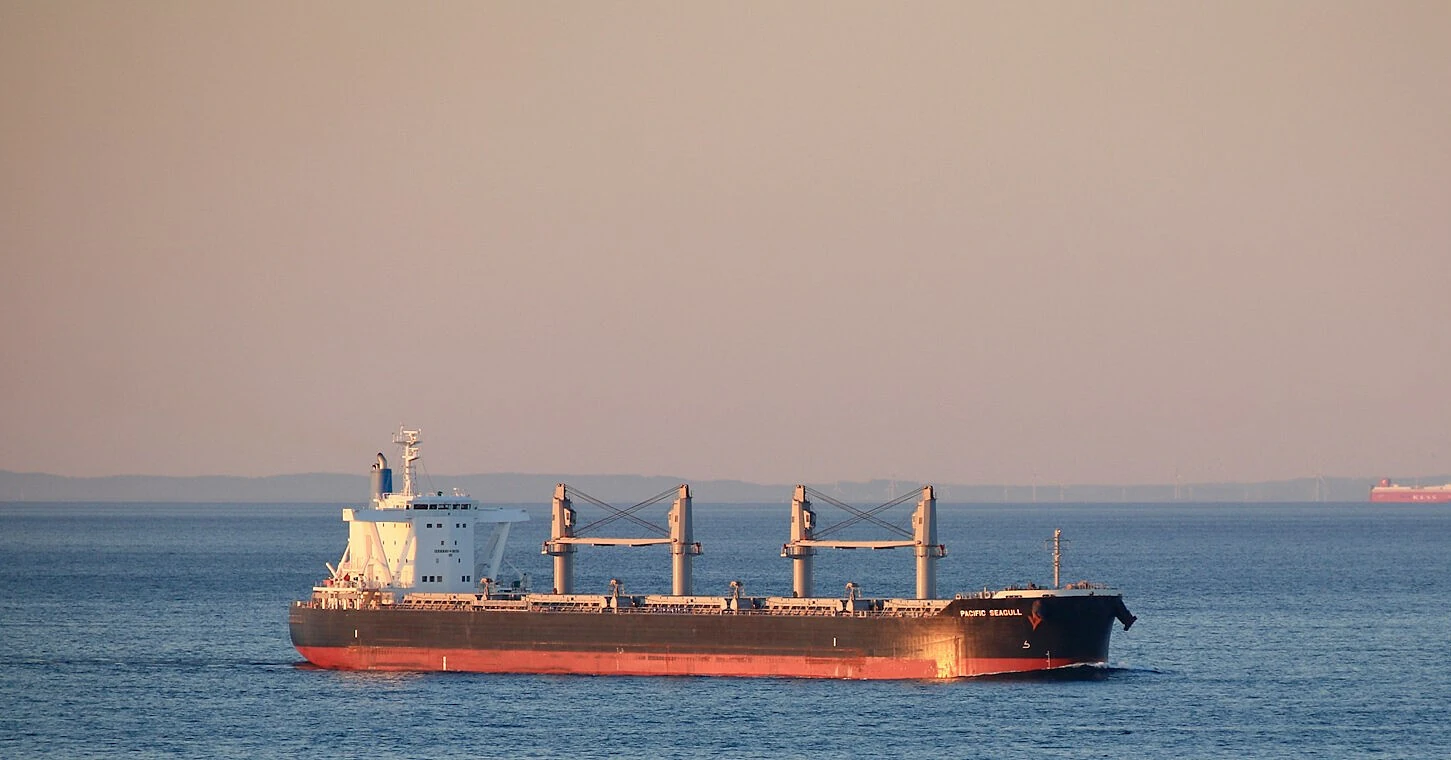
Oil supplies from the Middle East are approaching levels seen before the start of the war, easing the supply shortage on the global market. At the same time, prices remain high: as of 14:48 on September 30, Brent was fluctuating around $97.9 per barrel.
Bloomberg reports on the recovery of supplies citing traders, ship owners, and estimates from major banks.
Analysts at JPMorgan Chase and Goldman Sachs believe that oil export volumes from the region have already approached pre-war levels. This was facilitated, in particular, by increased supplies from Saudi Arabia after the restoration of the key East-West pipeline, which allows transporting oil to Red Sea ports bypassing the Strait of Hormuz.
Kpler data show a similar picture. The ten-day average export of crude oil from the Middle East is estimated at about 17.5 million barrels per day - about 98% of the pre-war level.
Thus, the physical supply of oil is recovering faster than might have been expected after the disruptions at the beginning of the conflict. Traders surveyed by Bloomberg also report an increase in actual volumes of raw materials entering the market from the Hormuz area.
Brent remains near $100
Despite the increase in supply, the oil market remains unstable. December Brent futures were trading above $97 per barrel on Wednesday, while the expiring November contract exceeded $103.
As of 14:48, according to Trading Economics, Brent was trading at approximately $97.9 per barrel. Oil still shows notable growth for the month, although prices are already much lower than the peaks reached at the height of the military escalation.
Two opposing factors are simultaneously affecting the market. On the one hand, the recovery of exports from the Middle East and alternative routes is increasing supply. On the other hand, uncertainty surrounding the US-Iran negotiations and the future of shipping through the Strait of Hormuz continues to support a geopolitical premium in prices.
US brings up to 40 million barrels to the market
Additional volumes may also come from strategic reserves. The US Department of Energy on September 29 announced a new tender for the exchange of up to 40 million barrels of oil from the Strategic Petroleum Reserve.
This tranche is part of a previously announced US program for 172 million barrels, which, in turn, is part of coordinated actions by countries of the International Energy Agency to bring up to 400 million barrels of reserves to the market.
US Energy Secretary Chris Wright also called on other countries to fulfill their commitments to release oil and petroleum products from reserves. Washington says the additional supply should help offset short-term disruptions and stabilize the global market.
Thus, the main pressure on oil prices is now coming from the recovery of physical supplies: volumes from the Middle East have almost returned to pre-war levels, while raw materials from strategic reserves are entering the market in parallel. At the same time, the persistence of risks around the Strait of Hormuz does not yet allow Brent to return to summer price levels.
Based on: Bloomberg, Trading Economics, US Department of Energy
