
Volkswagen has terminated almost all major tariff agreements with workers
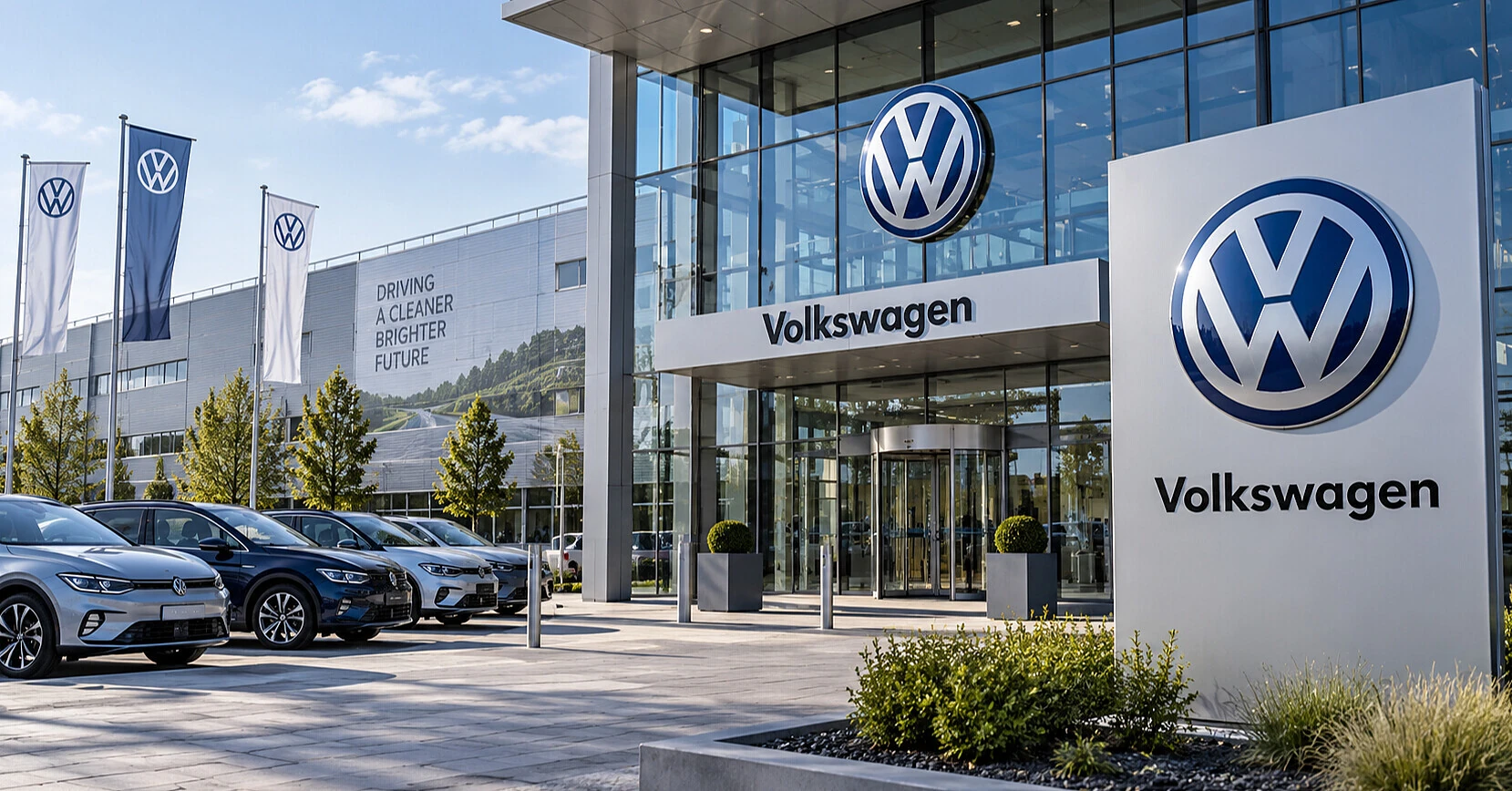
Volkswagen has terminated most of the current tariff agreements with workers in Germany and intends to revise working conditions amid a new phase of cost-cutting. According to the IG Metall trade union, the company has ended the validity of ten out of 13 agreements that make up the automaker's own tariff system.
Handelsblatt reports this, citing the company and employee representatives. Volkswagen attributes the decision to increased price and competitive pressure in the automotive market.
Among the terminated documents is the main framework tariff agreement, which regulates working hours, working conditions, various allowances and other benefits for more than 100 thousand Volkswagen employees in Germany.
The agreements cease to be effective on December 31, 2026. Therefore, the first practical consequences for employees may appear from January 2027 if the company and the union do not agree on new terms by that time.
However, Volkswagen has not terminated the job security agreement concluded at the end of 2024. It prohibits layoffs of employees for operational reasons until the end of 2030. IG Metall separately emphasized that the company's current decision does not cancel this protection.
Among the conditions that could be subject to new negotiations, the union names the additional tariff remuneration. Currently, employees can instead receive six additional days off per year or a payment in the amount of 27.5% of monthly earnings.
The revision may also affect tariff allowances, special conditions for certain categories of employees, vocational training and other provisions of the framework agreement. Volkswagen has not yet presented a full list of the changes it intends to achieve.
Volkswagen brand board member for human resources Arne Meiswinkel said that economic conditions for the European automotive industry have significantly deteriorated. Among the reasons, the company cites increased competition from Chinese manufacturers and growing pressure on prices.
The conflict is developing on the eve of a new round of negotiations between Volkswagen and IG Metall. The union demands a 5% salary increase for company employees over a period of 12 months. The period during which strikes are prohibited ends with the beginning of 2027.
IG Metall and the Volkswagen works council have already stated that they will resist the reduction of benefits and the deterioration of working conditions. Works council chairwoman Daniela Cavallo warned of a possible major labor dispute at the turn of the year.
The current negotiations are taking place against the backdrop of extensive restructuring at Volkswagen. According to the agreement reached with the union at the end of 2024 after a series of warning strikes, the company plans to cut around 35 thousand jobs in Germany by 2030 without compulsory layoffs and plant closures.
However, management considers the previously agreed savings insufficient. Volkswagen is preparing additional cost-cutting measures, with further changes to be subject to negotiations with employee representatives.
Based on materials from: Handelsblatt, IG Metall
